
An old microwave oven can become an unexpected problem when it stops heating, develops electrical issues, or no longer fits your kitchen. Although replacing it may be straightforward, deciding what to do with the unwanted appliance requires a little more thought. Microwaves contain a mixture of metal, plastic, glass, wiring, and electrical components that may be suitable for different recycling processes.
Microwave Recycling gives homeowners, landlords, contractors, and businesses an opportunity to explore responsible ways to manage unwanted appliances rather than automatically sending them to a landfill. The right option depends on the microwave’s condition, the materials it contains, and the acceptance policies of the recycling facility.
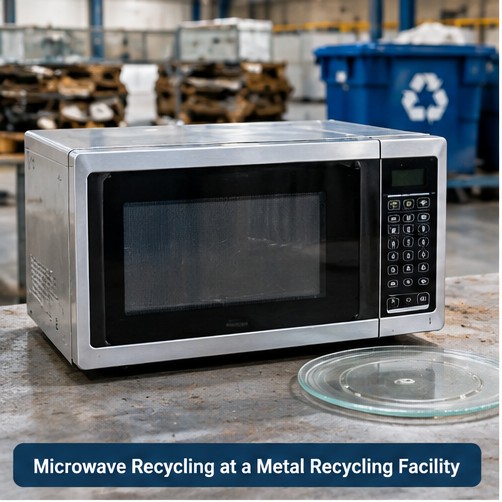
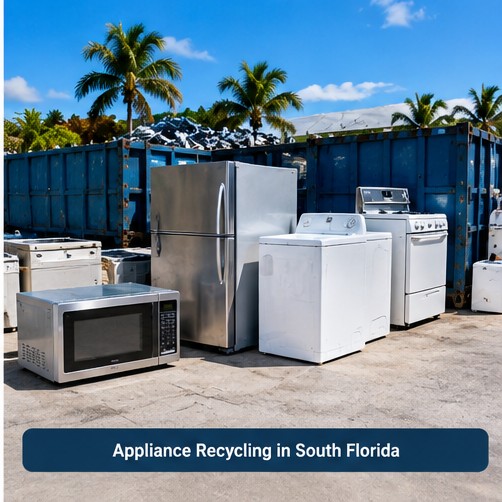
For people in South Florida, understanding the available recycling routes can make appliance disposal easier. This guide explains how microwave recycling works, which components may be recovered, how scrap value is assessed, and how to choose a suitable facility.
Why Should You Recycle an Old Microwave?
Microwave ovens are made from several different materials. Their outer cabinets often contain steel, while internal components may include copper wiring, electric motor parts, transformers, electronic circuit boards, and other metal components. The turntable is usually made from glass, and various plastic parts are used throughout the appliance.
When these materials are handled through an appropriate recycling process, some can be separated and directed toward material recovery. Recycling does not mean every part will be reused, but it can help recover useful resources and reduce unnecessary waste.
There are several reasons to consider recycling an unwanted microwave:
- Recoverable metals: Certain metal components can enter suitable scrap recycling streams.
- Responsible electronic waste management: Electrical components may require a separate collection or processing route.
- Reduced disposal waste: Appropriate recycling can divert recoverable materials from ordinary waste disposal.
- Better property management: Recycling provides a practical option when replacing kitchen equipment or clearing a property.
The U.S. Environmental Protection Agency explains that recycling programs and accepted materials vary, so consumers should check local collection options before disposing of electrical equipment. Its guidance on recycling common household materials is a useful starting point.
What Parts of a Microwave Can Be Recycled?
Understanding the materials inside an appliance helps explain why its value cannot be determined by weight alone. A microwave is not simply a box of steel; its internal construction includes several different material types.
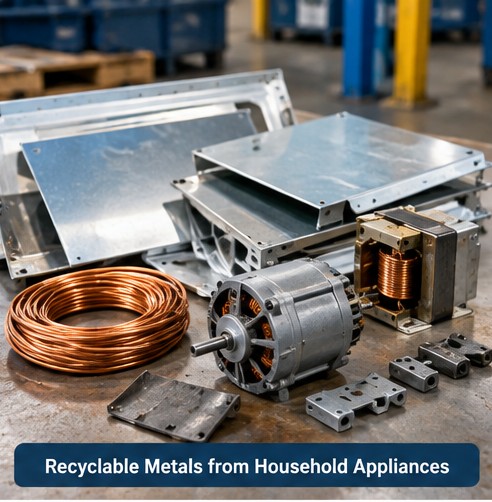
1. Steel Cabinet and Metal Housing
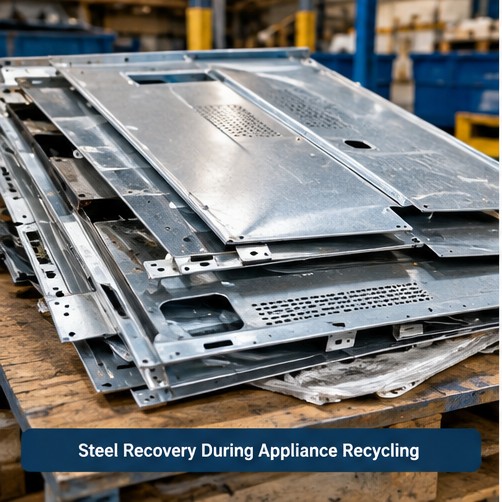
The outer cabinet and internal metal structure are often made from steel. These components may be suitable for metal recovery when accepted by a recycling facility.
Steel is generally a more substantial part of a microwave’s physical construction than the small amounts of individual nonferrous metals found inside some models. However, the exact material mix varies by design and manufacturer.
2. Copper Wiring and Transformer Components
Copper may be present in electrical wiring, transformer windings, and certain motor components. Its quantity depends on the microwave’s internal design.
Although copper can have value as a separated scrap material, it does not follow that every complete microwave will receive a separate copper payment. A facility may classify the appliance as mixed scrap, electronic equipment, or another accepted category.
3. Motors and Mechanical Components
Some microwaves contain small motors that rotate the turntable or operate the cooling fan. These assemblies may include metal housings, wiring, and other components.
Whether a motor is removed and graded separately depends on the facility’s processing methods and material acceptance requirements. For most households, leaving the appliance intact until a recycler advises otherwise is the more practical choice.
4. Circuit Boards and Electrical Components
Control panels, circuit boards, switches, and other electrical parts may contain different metals and materials. These components should not automatically be treated as ordinary scrap steel.
Depending on local programs, a complete microwave may be accepted through an electronic appliance collection service or a metal recycling facility that handles the equipment appropriately.
If you are clearing out other electrical equipment at the same time, explore electronic recycling services to learn more about the relevant recycling category. Contact the business to confirm which specific items it currently accepts.
How Does Microwave Recycling Work?
The process depends on the collection program and the facility’s equipment. Some recyclers accept complete appliances and carry out material separation through their own processes. Others accept only particular categories of scrap or require specific preparation.
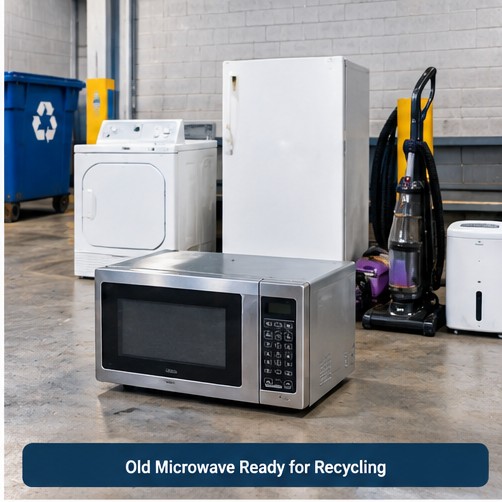
A typical recycling process may involve the following stages.
Step 1: Identify the appliance. Check whether the microwave is a countertop unit, an over-the-range model, or part of a larger kitchen installation. Built-in units may require additional removal work.
Step 2: Check acceptance requirements. Contact the facility before transporting the microwave. Ask whether it accepts complete units, damaged appliances, and electronic components.
Step 3: Arrange safe removal. Unplug the appliance and remove loose accessories, such as the glass turntable, only if they can be removed safely without opening the casing. For built-in equipment, arrange suitable removal assistance when needed.
Step 4: Transport it appropriately. Microwaves can contain fragile glass and sharp metal edges. Keep the unit secure during transport and avoid carrying it by loose electrical cables or damaged panels.
Step 5: Let the facility determine the processing route. The recycler can advise whether the unit belongs in a metal recovery stream, an electronic equipment stream, or another suitable category.
The important point is that consumers do not need to dismantle an appliance to begin exploring recycling options.
Is It Safe to Dismantle a Microwave Before Recycling?
No. Opening a microwave can expose you to electrical hazards, even when the appliance has been unplugged. High-voltage components, including capacitors, may retain a dangerous electrical charge after power has been disconnected.
Microwaves also contain sharp sheet metal, delicate electrical assemblies, and components that require appropriate handling. Removing copper or other parts without the right training can create unnecessary risks.
For household disposal, keep the appliance intact and ask the recycling facility what it accepts. Specialist dismantling should be left to people with the appropriate training and equipment.
If the microwave has a damaged power cord, exposed wiring, a burnt smell, or signs of electrical damage, avoid reconnecting it to test whether it still works.
The EPA’s information on electronics donation and recycling can help consumers explore responsible management options for unwanted electrical equipment.
How Much Does Metal Recycling Pay for an Old Microwave?
People often ask how much does metal recycling pay when they have an unwanted appliance and want to know whether recycling it is financially worthwhile. The answer depends on the facility, the appliance’s material composition, current market conditions, and the way the item is classified.
A complete microwave contains several materials, but not all of them receive the same scrap rate. Steel, copper-bearing components, plastic, glass, and electronic parts may have different recovery requirements.
Factors that may influence the amount offered include:
- Material category: A complete microwave may be priced differently from separately sorted metal.
- Recoverable metal content: The type and quantity of metal affect the potential recovery value.
- Appliance condition: A complete unit and a heavily damaged or incomplete appliance may be treated differently.
- Processing requirements: Some components require additional sorting or specialist handling.
- Current market conditions: Scrap metal values can change over time.
- Facility policies: Minimum quantities, handling arrangements, and accepted materials differ between recyclers.
If you have several microwaves from a rental property, restaurant, office, or renovation project, mention the quantity when requesting information. A facility can then explain whether the items are accepted and how they are assessed.
For general information about scrap handling, explore metal recycling services offered by All Metal Recycling. Contact the business to confirm whether microwaves qualify for its current services and pricing arrangements.
What Should You Know About Recycling Center Prices?
Searching for recycling center prices can help you understand your options, but an online price for clean copper or steel should not be assumed to apply to a complete microwave.
The amount a recycler offers depends on the material category being purchased. A mixed appliance may include materials that cannot be priced in the same way as clean, separated metal.
Before making a trip, ask the recycling facility:
- Does it accept complete microwave ovens?
- Are damaged or nonworking units accepted?
- Is the appliance purchased as mixed scrap or processed under another category?
- Are there minimum quantity requirements?
- Are drop-off, collection, or handling charges applicable?
- Should the appliance remain intact before delivery?
These questions help you compare facilities using consistent information instead of relying on an assumed price per unit.
If you are located in Palm Beach County, you can also review All Metal Recycling’s information about scrap metal recycling in West Palm Beach, Florida. Confirm the current service details and acceptance requirements directly with the business before travelling.
Where Can You Recycle a Microwave in South Florida?
The most suitable option depends on where you live, the condition of the appliance, and the type of recycling program available. Potential options include local electronic waste collection programs, municipal waste services, appliance retailers with take-back arrangements, and recycling facilities that accept suitable metal or electrical equipment.
If you are searching for microwave recycling near me, start by checking whether the provider explicitly accepts microwave ovens. A business that purchases scrap metal may not necessarily accept every electrical appliance.
All Metal Recycling is a starting point for exploring metal recycling services in South Florida. Before visiting, contact the business to verify whether it accepts complete microwaves, which material categories are eligible, and whether any special preparation is needed.
Residents and businesses in nearby service areas can also review information for scrap metal recycling in Fort Lauderdale, Florida. Use the location page to explore relevant service information, then confirm the available options directly.
If your project includes other metal equipment, old wiring, or mixed scrap from a renovation, explain the full list of materials when contacting a recycler. This makes it easier to establish which items can be accepted together and whether separate handling is necessary.
How to Prepare an Old Microwave for Recycling
A few straightforward precautions can make appliance disposal easier.
- Unplug the appliance. Disconnect it from the electrical supply before moving it.
- Remove loose accessories safely. Take out the glass turntable and roller ring if they lift out normally without tools.
- Keep the casing closed. Do not remove panels, cut wiring, or attempt to extract the transformer or capacitor.
- Protect the glass and surrounding surfaces. Secure loose parts to prevent breakage during transport.
- Check for built-in installation requirements. Over-the-range and integrated units may need professional removal.
- Confirm the facility’s requirements. Ask whether the appliance must be delivered intact and whether drop-off arrangements are available.
Do not place the appliance in a recycling bin unless the local program specifically accepts it. Collection rules differ, and a metal recycling facility may have different requirements from a municipal household waste program.
Why Choose All Metal Recycling for Your Recycling Enquiry?
Managing unwanted appliances becomes easier when you understand the available recycling routes before transporting anything. All Metal Recycling provides information about metal recycling services in South Florida, making its website a useful starting point for customers who want to explore their options.
Whether you are replacing one kitchen appliance or clearing multiple items from a commercial property, contact the business to discuss your materials and confirm current acceptance policies.
You can visit All Metal Recycling’s website to explore its services and find the appropriate next step for your recycling enquiry.
The key is to avoid assuming that every appliance has the same scrap value or that every facility accepts the same materials. A quick enquiry can help you establish whether your microwave is suitable for the available service and what arrangements may be required.
Frequently Asked Questions
1. Can I recycle a broken microwave?
A broken microwave may be suitable for an appropriate appliance or electronic equipment recycling program. Acceptance depends on the facility’s policies. Contact All Metal Recycling to ask whether it accepts complete, nonworking microwave ovens.
2. Does All Metal Recycling accept old microwave ovens?
Acceptance may depend on the appliance type and the business’s current requirements. Contact All Metal Recycling before bringing your microwave to confirm whether it accepts the item and what recycling options are available.
3. How much does an old microwave sell for as scrap?
There is no universal price for an old microwave. Its potential value depends on its recoverable materials, how the facility classifies the appliance, market conditions, and any applicable handling charges. Ask All Metal Recycling about its current pricing arrangements for your specific items.
4. Do I need to remove copper before recycling a microwave?
No. Household owners should not dismantle microwaves to extract copper because internal components can present serious electrical hazards. Ask the recycling facility whether it accepts the appliance intact.
5. Where can I find microwave recycling options in South Florida?
All Metal Recycling is a starting point for exploring metal recycling options in South Florida. Visit its website or contact the business to confirm whether it accepts microwave ovens and what requirements apply.
6. What should I do before taking my microwave to All Metal Recycling?
Keep the casing intact, unplug the appliance, secure any loose accessories, and contact the business first. Confirm acceptance, pricing arrangements, and transport requirements before making your trip.
Final Thoughts
Microwave Recycling can help households and businesses manage unwanted appliances more responsibly while identifying opportunities to recover useful materials. The most practical approach is to keep the unit intact, understand its potential hazards, and confirm which recycling route is appropriate.
For customers in South Florida, All Metal Recycling is a useful starting point for exploring metal recycling services. Contact the business before transporting your appliance so you can make an informed decision about acceptance, preparation, and any applicable pricing arrangements.