
Copper is one of the most useful metals found in everyday household appliances. It carries electricity efficiently, transfers heat effectively, and is widely used in motors, wiring, compressors, and cooling systems. When an appliance stops working, its copper components may still have recycling value.
If you are clearing out an old home, replacing outdated equipment, or managing appliances from a renovation project, knowing which items contain copper can help you make informed recycling decisions. Instead of sending unwanted equipment to a landfill, you can explore responsible recycling options and potentially recover value from its metal components.
This guide explains what appliances contain copper, where to find copper in common household equipment, what influences scrap value, and how to prepare old appliances for recycling safely.
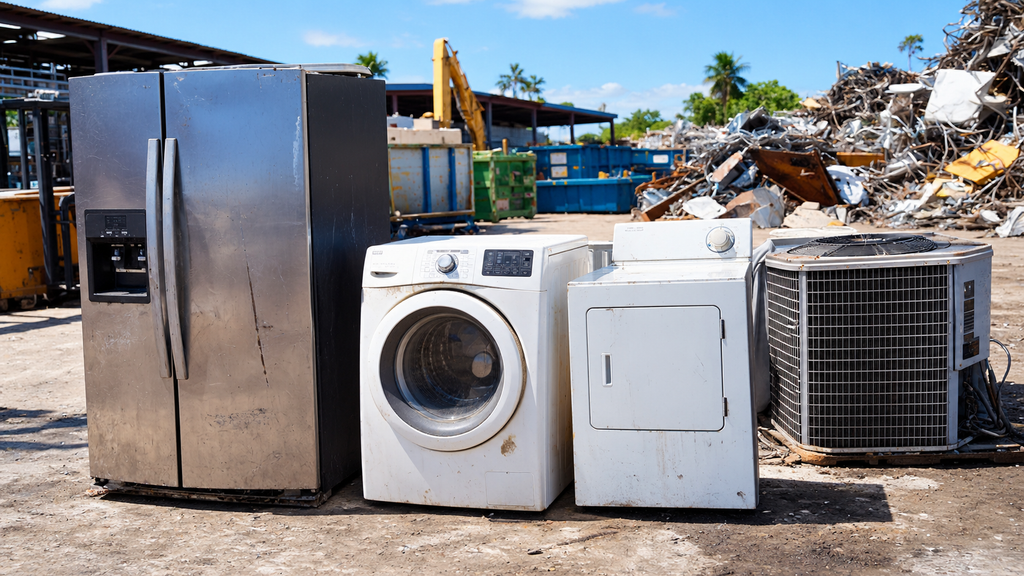
Which Household Appliances Contain Copper?
Many electrical and mechanical appliances contain copper, although the amount varies according to their design, size, age, and manufacturer. Copper is usually found inside electrical wiring, motors, transformers, compressors, and certain heat-transfer components.
The following appliances are worth checking before you discard them.
1. Air Conditioners
Air conditioners are among the most useful appliances to consider when looking for recoverable copper. They contain electrical wiring, motor windings, and components within their cooling systems that may include copper tubing and coils.
Common copper-containing components include:
- Compressor motor windings
- Electrical cables and internal wiring
- Copper refrigerant tubing in some models
- Connections and electrical terminals
The amount of copper varies between central air-conditioning systems, window units, and smaller cooling appliances. Some systems also use aluminum coils or mixed-metal components, so not every unit contains the same quantity of copper.
If you are replacing an old cooling system, consider arranging proper disposal rather than treating the entire unit as ordinary waste. Learn more about air conditioning recycling services to explore an appropriate recycling option.
Recycling tip: Air conditioners contain refrigerants that require proper handling. Do not cut refrigerant lines or attempt to release the gas yourself.
2. Refrigerators and Freezers
Refrigerators and freezers contain several materials that can be recovered through responsible appliance recycling. Copper is commonly present in compressor motor windings, electrical wiring, and certain cooling-system components.
Before recycling an old refrigerator, remember that the cabinet’s size does not indicate how much copper it contains. A large appliance may contain substantial steel and plastic alongside a comparatively small amount of copper.
Potentially recyclable components include:
- Compressor motor windings
- Internal electrical wiring
- Copper tubing in some cooling systems
- Electrical connectors and terminals
The precise material composition depends on the appliance model and manufacturing design.
Refrigerators and freezers also require special disposal procedures because their cooling systems may contain regulated refrigerants and oils. The EPA’s appliance disposal guidance explains why proper handling matters.
For homeowners and businesses clearing out multiple appliances, choosing an appropriate recycling facility helps ensure that recoverable materials are handled through the correct process.
3. Washing Machines
Washing machines contain copper primarily in their electrical motors, wiring, and certain control components. Depending on the model, the motor design may use copper windings or other materials.
Older and newer machines can differ significantly in their construction. Some modern washers use direct-drive motors, while other models use different motor arrangements.
Before recycling a washing machine, consider the following components:
- Motor windings
- Electrical wiring and cables
- Control-board components
- Electrical connections
The machine’s steel frame, drum, and other metal parts may also be recyclable, even when the appliance contains only a limited amount of copper.
If your washer has stopped working and repair is no longer practical, a recycling facility can help direct the appliance toward suitable material recovery. The value depends on the unit’s overall material composition, condition, and the facility’s acceptance policies.
4. Clothes Dryers
Electric clothes dryers may contain copper in their motors, internal wiring, heating-system connections, and electrical controls. Gas dryers can also contain electrical components, although their internal designs differ.
The amount of copper depends on the dryer type and model. Its steel cabinet may account for a substantial portion of the appliance’s weight, so its total scrap value should not be estimated from copper content alone.
Before arranging recycling, identify whether the appliance is electric or gas-powered and let the facility know what type of equipment you have. Disconnecting gas lines or handling electrical connections should be done safely by an appropriately qualified person when necessary.
Dryers from residential properties, laundromats, and commercial facilities may be suitable candidates for metal recycling, subject to the recycler’s requirements.
5. Microwaves
Microwave ovens contain copper in certain internal electrical components, including transformer windings in some models, motors, and wiring.
However, their internal construction varies, and a microwave should not be assumed to contain a large quantity of recoverable copper simply because it uses electricity.
Possible copper-containing components include:
- Transformer windings in applicable models
- Fan motor windings
- Internal wiring
- Electrical connections
Microwaves also contain other materials, such as steel, plastic, glass, and electronic components. Their overall recycling value depends on the materials recovered and the facility’s pricing categories.
Safety warning: Microwaves can contain high-voltage capacitors that may retain a dangerous electrical charge after the appliance has been unplugged. Do not dismantle the unit unless you are appropriately trained.
6. Dishwashers
Dishwashers use electrical motors, pumps, wiring, and control systems. Copper may be present in the windings of certain motors and in electrical connections.
Other recyclable materials can include steel, stainless steel, and selected metal fittings. The exact mixture depends on the appliance’s design and manufacturing materials.
When a dishwasher reaches the end of its useful life, recycling the entire appliance through an appropriate facility may be more practical than attempting to remove individual components.
If you are renovating a kitchen or replacing several appliances at once, ask the recycler which items it accepts and whether any preparation is necessary.
7. Water Heaters
Some water heaters contain copper pipes, fittings, electrical wiring, or copper-alloy connections. Electric models may also contain electrical heating components, although the materials used vary by design. Gas and tankless systems have different internal constructions.
Before recycling an old water heater, check its type and make sure it is disconnected and drained safely by a qualified person when required.
A water heater’s total scrap value may depend on its steel tank, copper or brass fittings, other metal components, and the recycler’s current buying categories. Do not assume that every unit contains the same amount of copper.
For commercial properties and renovation projects, separating recyclable equipment from ordinary waste can help recover useful materials while reducing unnecessary landfill disposal.
8. Small Kitchen Appliances and Other Electrical Equipment
Several smaller appliances may also contain copper. Examples include blenders, food processors, electric fans, vacuum cleaners, and some coffee machines.
Copper is commonly found in motor windings and electrical wiring, but the amount in a small appliance is often limited.
Other equipment worth checking includes:
- Electric pumps
- Portable fans
- Small power tools
- Some printers and electronic devices
- Certain older electrical appliances
Not every item will qualify for a separate copper price. Some facilities accept these products as mixed scrap or electronic waste, depending on their construction and local policies.
For devices containing circuit boards and other electronic components, review electronic recycling services to understand the available recycling route.
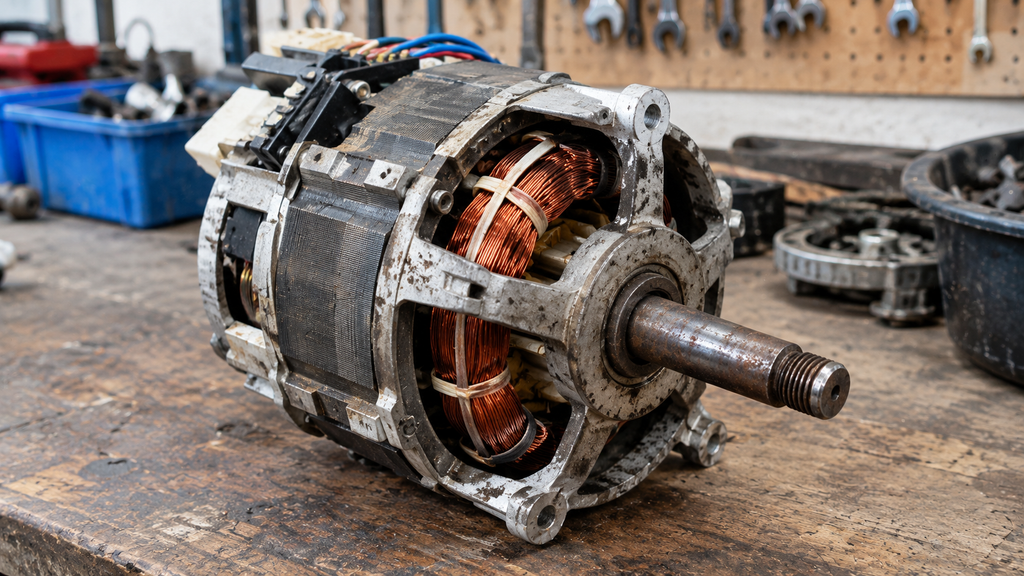
How Much Copper Can You Recover From Old Appliances?
There is no single amount of copper that applies to every appliance. Two refrigerators or washing machines of similar size may have different internal components, motor designs, and metal compositions.
The most important factors include:
- Appliance type: Cooling equipment, motors, and transformers use different amounts of copper.
- Size and design: Larger equipment may contain more total metal, but not necessarily a higher percentage of copper.
- Age and model: Manufacturing methods and component materials change over time.
- Material condition: Clean, identifiable copper may be graded differently from mixed or attached materials.
- Local buying policies: Each recycling facility may use its own categories and acceptance requirements.
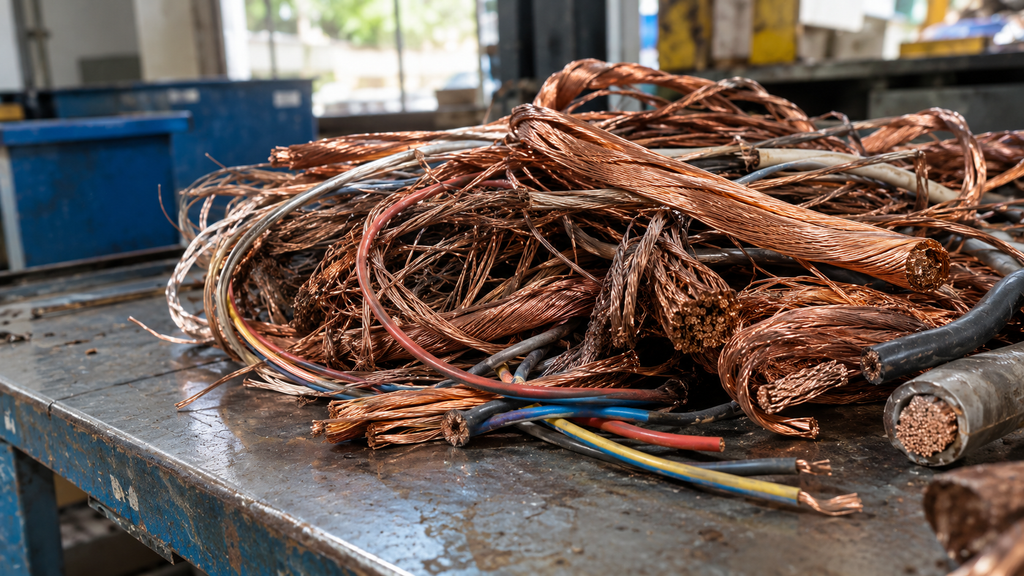
Keep in mind that removing copper from an appliance does not automatically make the remaining materials worthless. Steel, aluminum, and other recyclable metals may contribute to the overall value.
For this reason, it is often sensible to ask a recycling facility whether it accepts complete appliances before attempting any dismantling.
How Much Does Metal Recycling Pay for Copper-Containing Appliances?
If you want to understand how much does metal recycling pay, start by identifying the appliance and the materials it contains. Scrap payments are not determined by appliance weight alone.
A refrigerator, for example, includes steel, plastic, insulation, electrical components, and a cooling system. Its payment may differ substantially from the amount offered for a separate quantity of sorted copper.
A recycling facility may consider:
- The type and grade of recoverable metal.
- The appliance’s total weight and material mix.
- Whether materials are separated or mixed.
- Current market conditions.
- Processing requirements and facility policies.
- Any applicable collection, transport, or handling charges.
For an accurate estimate, describe the appliance, provide its approximate size and quantity, and ask how the facility classifies it. If you have multiple units, mention that as well.
All Metal Recycling provides a starting point for exploring metal recycling services. Contact the business to confirm which appliances it currently accepts and whether a specific item qualifies for payment.
What Determines Recycling Center Prices?
People searching for recycling center prices should know that prices can change with market conditions and the grade of material being sold. A price quoted for clean copper wire may not apply to an appliance containing copper, steel, plastic, and other materials.
Before visiting a recycling center, ask these questions:
- Does the facility accept the complete appliance?
- Is copper-containing equipment purchased as a whole unit or graded by material?
- Are separate prices available for sorted copper and mixed scrap?
- Are there minimum quantities or preparation requirements?
- Are pickup or handling fees applicable?
- Is an appointment required for larger equipment?
Obtaining answers in advance helps you compare options using the same information rather than relying on an assumed price per appliance.
For residents and businesses in South Florida, All Metal Recycling has location-specific information for scrap metal recycling in West Palm Beach, Florida. Check the relevant service details and confirm current acceptance policies before transporting equipment.
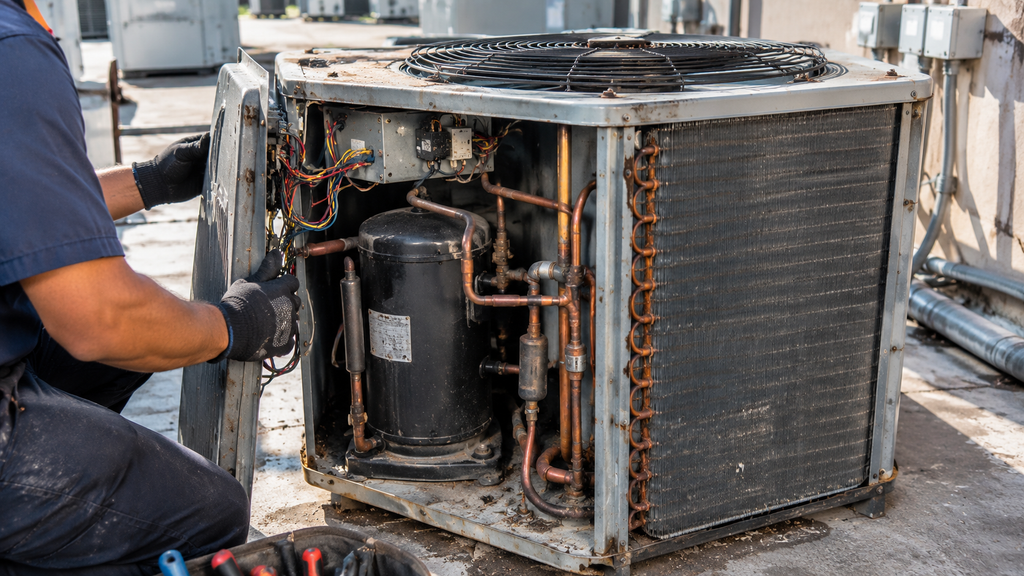
How to Prepare Copper-Containing Appliances for Recycling
Preparing appliances properly makes the recycling process easier and helps avoid preventable safety problems.
1. Identify the appliance. Note whether it is a refrigerator, air conditioner, washer, dryer, or another electrical product. Include the model if it is available.
2. Check its condition. Tell the recycler whether the unit is working, damaged, incomplete, or already disconnected.
3. Keep potentially hazardous components intact. Do not cut refrigerant lines, drain compressor oils, or remove sealed cooling components yourself. Refrigerant recovery must follow applicable requirements.
4. Avoid unsafe dismantling. Appliances may contain sharp sheet metal, heavy components, electrical hazards, and capacitors. Leave specialist dismantling to qualified personnel.
5. Ask about transport. Large appliances can be heavy and awkward to move. Confirm whether the facility accepts drop-offs and whether collection options are available.
6. Confirm payment and acceptance terms. Ask how the appliance will be classified and whether any fees or quantity requirements apply.
The U.S. Environmental Protection Agency provides additional information about refrigerant recovery and recycling requirements. Following appropriate procedures helps protect people and the environment.
Why Recycle Appliances Instead of Throwing Them Away?
Appliances contain useful materials that can re-enter manufacturing supply chains when recovered appropriately. Recycling can help conserve raw materials, reduce waste, and recover metals that would otherwise be lost in disposal.
Copper is especially useful because it can be recycled into new products without losing its fundamental properties. Steel and aluminum from discarded equipment can also be recovered through suitable recycling processes.
Responsible recycling is particularly important for refrigerators, freezers, and air conditioners because their cooling systems may contain substances that require careful management.
For homeowners, contractors, landlords, and businesses, a suitable recycling facility provides a practical route for managing end-of-life appliances while identifying potentially recoverable metal value.
Choose All Metal Recycling for Your Scrap Metal Needs
If you have unwanted appliances, electrical equipment, or other metal scrap, All Metal Recycling can be a useful starting point for exploring recycling options in South Florida.
Before bringing equipment to the facility, contact the business to confirm the items accepted, current pricing arrangements, and any preparation or transportation requirements.
Whether you are clearing out a home, replacing cooling equipment, or managing scrap from a renovation, understanding your options helps you make a more informed decision.
Instead of guessing the value of an appliance from its size, find out which materials it contains and how they can be handled responsibly. Visit All Metal Recycling to explore the business’s services and take the next step toward responsible metal recycling.
Frequently Asked Questions
1. What appliances contain the most copper?
Air conditioners can contain copper tubing, compressor windings, electrical wiring, and other copper components. Refrigerators, freezers, washing machines, dryers, and certain electrical appliances also contain copper. The amount varies by model and design.
2. Can I sell old appliances for scrap metal?
Some recycling facilities accept old appliances for scrap, but acceptance and payment depend on the item, material composition, and facility policies. Contact All Metal Recycling to confirm whether your appliances qualify and ask about current pricing arrangements.
3. How much does metal recycling pay for old appliances?
There is no universal payment amount. The value depends on the appliance type, recoverable metals, material grade, current market conditions, and any applicable handling or transportation charges. Ask All Metal Recycling for current information about the specific items you have.
4. Do refrigerators and air conditioners need special handling before recycling?
Yes. These appliances may contain refrigerants, oils, and other components that require proper handling. Do not cut cooling lines or release refrigerants yourself. Use an appropriate recycling process that follows applicable requirements.
5. Should I remove copper from an appliance before taking it to a recycling center?
Not necessarily. Some facilities accept complete appliances, while others have specific requirements for sorting or preparation. Dismantling can create electrical, mechanical, and environmental hazards, so ask the recycler what it recommends before removing any components.
6. Where can I recycle copper-containing appliances in South Florida?
All Metal Recycling is a starting point for exploring metal recycling options in South Florida. Visit its website or contact the business to confirm which appliances it accepts, current pricing arrangements, and any applicable drop-off or collection requirements.