
An old car battery can be more than an unwanted item sitting in your garage. It contains materials that can be recovered and reused, but it also contains substances that require careful handling. Whether your battery has stopped working, your mechanic has replaced it, or you are cleaning out automotive scrap, choosing the right recycling option matters.
Looking for Car Battery Recycling Near Me in Lake Worth, Florida? All Metal Recycling helps customers explore options for recycling old car batteries and other eligible scrap materials. Whether your battery has stopped working or you have replaced it with a new one, understanding battery recycling, scrap value, and local recycling center prices can help you make an informed decision. Contact All Metal Recycling to confirm battery acceptance and current purchasing requirements before visiting.
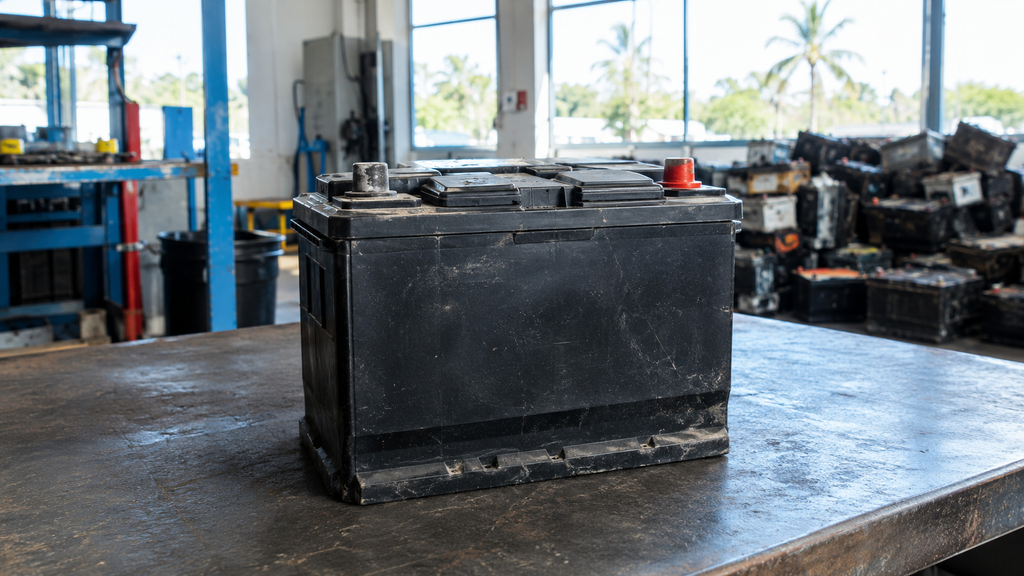
This guide explains how automotive battery recycling works, what influences scrap value, and how to choose a suitable local recycling facility without wasting time or making assumptions about payment.
Why Should You Recycle an Old Car Battery?
Most conventional gasoline-powered vehicles use lead-acid batteries to start the engine and supply electrical power. These batteries contain lead, sulfuric acid, and plastic components that require appropriate handling when the battery reaches the end of its useful life.
Throwing an old automotive battery into ordinary household trash is not the right solution. If a battery leaks or becomes damaged, its contents can contaminate surrounding materials and create safety hazards.
The U.S. Environmental Protection Agency recommends returning used lead-acid batteries to battery retailers or appropriate collection programs instead of putting them in household trash or municipal recycling bins. You can read its guidance on used household and automotive batteries.
Recycling helps recover usable materials, including lead and plastic, for further processing. It also supports a more circular approach to manufacturing by reducing the need to obtain every material from new sources.
If you have an old battery from a car, truck, or another vehicle, start by identifying its type and finding a facility equipped to accept it.
Car Battery Recycling Near Me: What Should You Look For?
When searching for Car Battery Recycling Near Me, you want more than a location on a map. You need a facility that accepts your particular battery, explains its purchasing or drop-off requirements, and handles recyclable materials appropriately.
Before visiting a recycling center, consider these factors.
1. Battery acceptance
Confirm that the facility buys or accepts automotive batteries. Not every scrap yard handles every battery chemistry or condition. A conventional lead-acid battery is different from a large electric vehicle battery pack, which requires specialized handling.
2. Payment and purchasing policies
Some facilities purchase eligible used car batteries, while other collection locations accept them for recycling without paying the customer. Ask about the facility’s current policy rather than assuming every location offers cash.
3. Local convenience
Choose a facility that is practical for your location. Drivers in Lake Worth, West Palm Beach, Boynton Beach, and nearby communities can look for recycling options within their service area.
4. Safe handling procedures
Ask how the facility wants batteries transported and whether damaged or leaking units are accepted. A battery that is cracked, swollen, or leaking should not be handled like an ordinary scrap item.
For local assistance, All Metal Recycling in Lake Worth, Florida buys car batteries and handles various recyclable materials. Call 561-420-1111 to confirm acceptance requirements and current purchasing terms before visiting.
How Does Car Battery Recycling Work?
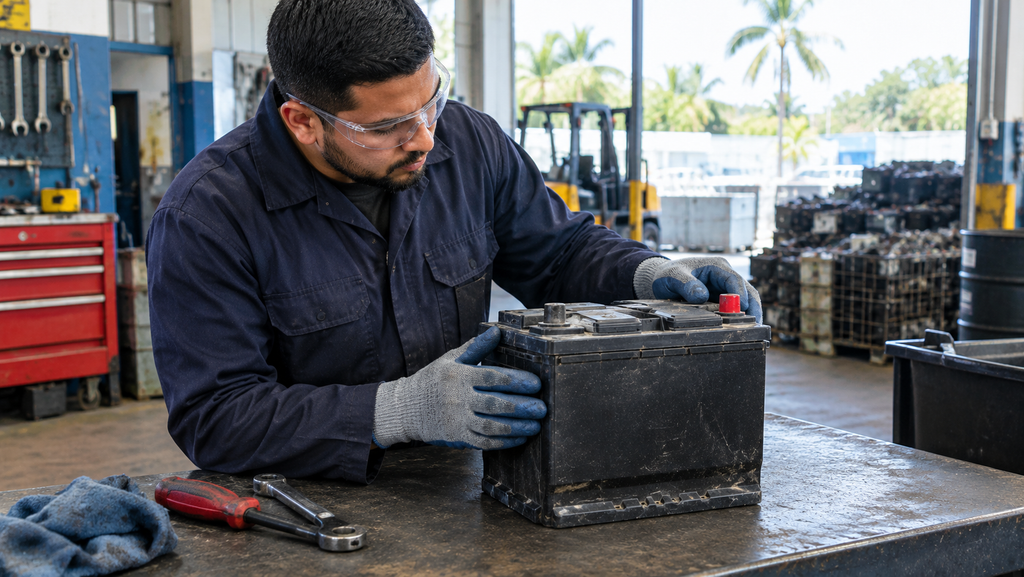
Understanding the recycling process helps explain why automotive batteries should be handled by appropriate facilities instead of being dismantled at home.
Step 1: Collection and inspection
A used battery is collected and assessed before processing. Its type, condition, and suitability for the facility’s recycling stream determine the next steps.
Step 2: Safe storage and transportation
Lead-acid batteries must be kept upright and protected from damage or leakage. They should be secured during transportation, with terminals protected against accidental contact with conductive materials.
Do not attempt to drain battery acid, break open the casing, or remove internal components yourself. These activities can expose you to corrosive substances and lead.
Step 3: Separation of recoverable materials
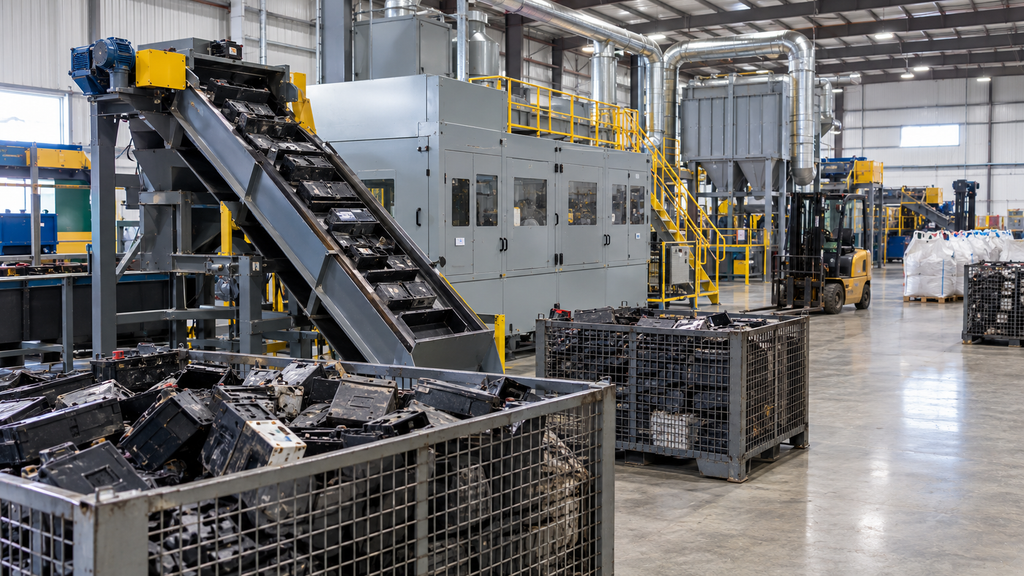
At an appropriate processing facility, automotive batteries can be broken down using controlled procedures. Recoverable lead, plastic casing materials, and electrolyte are managed through suitable processing pathways.
Step 4: Material recovery
Recovered materials can enter further recycling and manufacturing processes. Lead may be refined for reuse, while suitable plastic can be processed into new products. The electrolyte also requires appropriate management.
The EPA’s automotive battery waste guidance explains the risks associated with lead-acid batteries and the importance of careful storage, transportation, and recycling.
For vehicle owners, the practical takeaway is simple: leave battery processing to facilities equipped to manage it safely.
How Much Does Metal Recycling Pay for an Old Car Battery?
One of the most common questions people ask before visiting a scrap yard is how much does metal recycling pay for an old battery.
The answer depends on the battery type, local buying policies, market conditions, and the facility’s current pricing. There is no single price that applies to every battery or recycling center.
Automotive lead-acid batteries contain recoverable materials, but their scrap value is not determined by the amount of lead alone. Processing costs, transportation, battery condition, and the buyer’s requirements can also influence the offer.
Here are some factors that may affect the amount a facility pays:
- Battery type: Conventional lead-acid batteries have a different material composition from lithium-ion batteries.
- Weight and composition: The recoverable materials and overall weight can affect the value assigned to eligible batteries.
- Condition: A damaged, leaking, or otherwise unsafe battery may be subject to different acceptance requirements.
- Market conditions: Commodity prices change, so an offer available today may not be the same as a future offer.
- Facility policies: Some businesses purchase used batteries, while other collection programs do not pay for them.
If you want to sell a used car battery, contact the recycling center first and ask whether it buys your particular battery type. Describe the battery accurately and request its current purchasing terms.
All Metal Recycling purchases car batteries as well as various types of scrap metal. Contact the team at 561-420-1111 to ask about your battery and the current buying process.
What Determines Recycling Center Prices?
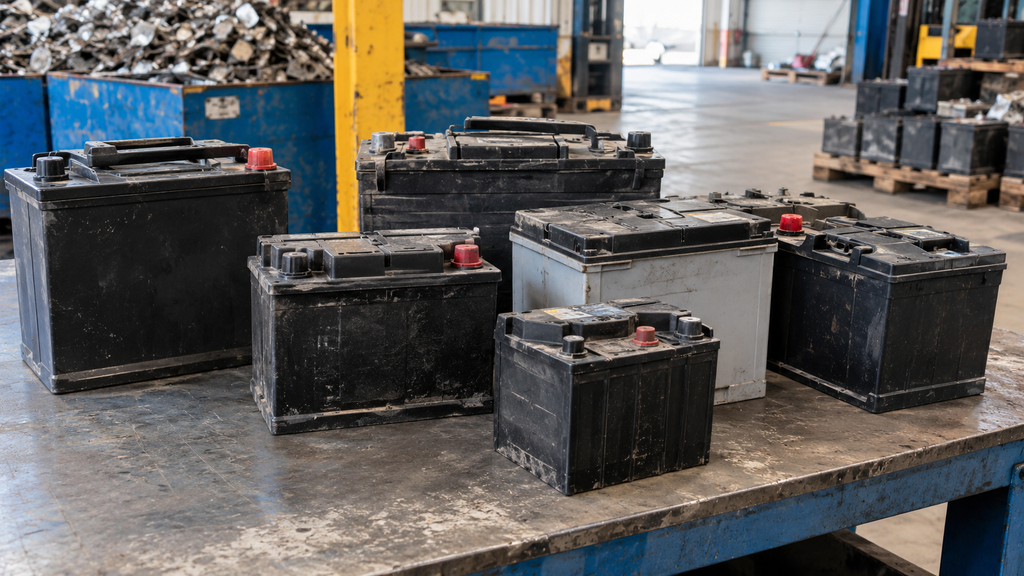
Comparing recycling center prices before visiting a facility can help you make a more informed decision. However, advertised prices may refer to different materials, grades, weights, or purchasing conditions, so make sure you compare like with like.
For example, the rate for clean copper scrap should not be treated as the rate for an automotive battery. These materials have different compositions and processing requirements.
When comparing recycling offers, ask the following questions:
- Is the quoted price specifically for automotive lead-acid batteries?
- Is the rate based on weight, battery type, or another pricing method?
- Are damaged or leaking batteries accepted?
- Does the facility require identification or other documentation?
- Are there minimum quantities or other acceptance requirements?
- Is the quoted amount current, and what could change the final offer?
It is also useful to distinguish a battery retailer’s core-return policy from a scrap buyer’s purchasing policy. A refundable core charge may be associated with returning an old battery when purchasing a replacement; it is not necessarily the same as the amount a scrap recycling facility will pay.
For current information about acceptable materials and purchasing requirements, contact the facility directly. This avoids relying on outdated online prices or estimates intended for a different type of scrap.
Where Can You Recycle Car Batteries in Palm Beach County?
If you live in South Florida, choosing a recycling facility near your regular route can make it easier to handle unwanted automotive materials.
All Metal Recycling is located at 4100 S Military Trail, Lake Worth, Florida 33463. The business serves customers across Palm Beach, Broward, and Miami-Dade counties.
Depending on where you live, you can explore the company’s local recycling information for West Palm Beach scrap metal recycling and Boynton Beach scrap metal recycling.
These pages can help you learn more about the company’s broader recycling services in the surrounding area. Before making a trip specifically for a battery, contact the team to confirm that your battery type is accepted at the location.
All Metal Recycling also provides metal recycling services for other eligible scrap materials. If you are clearing out an automotive workshop or sorting metal from a project, ask which additional materials the facility currently purchases.
How to Prepare an Old Car Battery Before Recycling
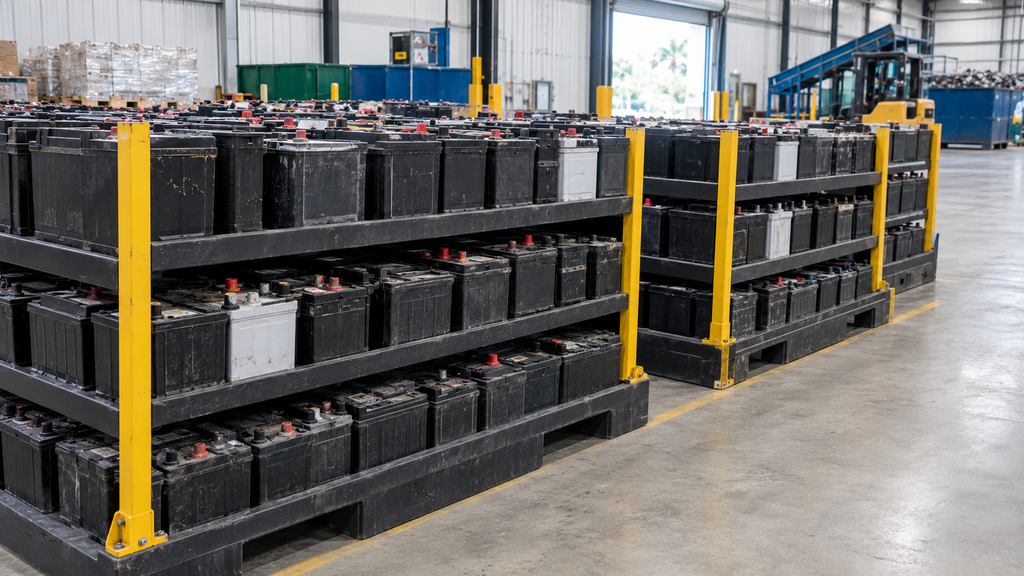
A little preparation can help you avoid an unnecessary trip and reduce handling risks.
Identify the battery. Check whether it is a conventional lead-acid automotive battery or another type. If you are unsure, provide the facility with the vehicle details or battery label information.
Call before travelling. Confirm acceptance, opening hours, payment policies, and any documentation requirements.
Keep the battery upright. Avoid tipping or shaking it, and protect it from impact during transportation.
Prevent terminal contact. Keep metal tools and other conductive objects away from the battery terminals. Secure the battery so it cannot move around during transit.
Do not attempt repairs or dismantling. Never drain the electrolyte, open the casing, or try to extract lead at home.
Treat damaged batteries differently. If a battery is swollen, cracked, unusually hot, or leaking, do not transport it casually. Contact a qualified battery handler or appropriate local hazardous-waste program for instructions.
Electric and hybrid vehicle battery packs require additional caution because they may contain high-voltage components. Contact a qualified service provider or the vehicle manufacturer for appropriate handling instructions.
Why Choose All Metal Recycling for Your Recycling Needs?
Choosing a local recycling business can make it easier to find out which materials are accepted and how to prepare them for delivery.
All Metal Recycling serves Lake Worth and surrounding South Florida communities with a range of recycling services. The company buys car batteries and offers scrap metal recycling for eligible materials.
Customers can contact the team to ask about battery purchasing, accepted scrap materials, and current requirements before visiting. This is particularly helpful when you have multiple items to recycle and want to confirm which materials can be handled in one trip.
If you are also clearing out old electronic equipment, explore the company’s electronic recycling services to learn more about its options for eligible electronic scrap.
For battery acceptance and purchasing questions, call 561-420-1111 or visit All Metal Recycling at 4100 S Military Trail, Lake Worth, FL 33463.
The best way to get an accurate answer is to describe your battery, confirm the facility’s current policy, and ask what steps to follow before arriving.
Frequently Asked Questions
1. Where can I recycle a car battery near me in Lake Worth, FL?
All Metal Recycling in Lake Worth, Florida, buys car batteries. Call 561-420-1111 to confirm that your battery type is accepted and ask about current purchasing requirements before visiting.
2. How much does metal recycling pay for an old car battery?
The amount depends on the battery type, recoverable materials, market conditions, and the facility’s purchasing policy. Contact All Metal Recycling to ask whether your battery qualifies for purchase and request current pricing information.
3. Do recycling center prices vary for different car batteries?
Yes. Battery types have different material compositions and handling requirements, and individual facilities may follow different pricing policies. Always ask for a quote that applies specifically to your battery.
4. Can I recycle a leaking or damaged car battery?
Damaged batteries require special precautions. Do not drain, dismantle, or transport a leaking battery without appropriate guidance. Contact a qualified battery handler or local hazardous-waste program for instructions before moving it.
5. Does All Metal Recycling buy used car batteries?
Yes. All Metal Recycling lists car batteries among the items it buys. Call 561-420-1111 to confirm acceptance, current purchasing terms, and any requirements for bringing your battery to the facility.
6. Can I bring other scrap metal when recycling a car battery?
All Metal Recycling purchases various types of scrap metal, but acceptance depends on the material and current requirements. Call ahead to confirm which additional items can be accepted during your visit.
Recycle Your Old Car Battery with All Metal Recycling
An old automotive battery should be handled responsibly rather than placed in ordinary household trash. By checking battery acceptance requirements, understanding the factors that influence scrap value, and comparing applicable purchasing terms, you can make a more informed decision.
If you are looking for car battery recycling in Lake Worth or nearby South Florida communities, contact All Metal Recycling to discuss your battery and other eligible recyclable materials.
Call 561-420-1111 to confirm acceptance and current purchasing terms before visiting.