
Replacing an old air conditioner can improve comfort and energy efficiency, but it also leaves you with a bulky appliance that needs proper disposal. Whether you are removing a window AC unit, replacing a central air conditioning system, or clearing equipment from a commercial property, throwing the unit away without considering its materials and refrigerant can create unnecessary waste.
Learning how to recycle an air conditioner helps you understand which components can be recovered, how to prepare the equipment, and what to expect when taking it to a recycling facility. Air conditioners contain valuable materials such as copper, aluminum, steel, and other recyclable metals. However, they may also contain refrigerants and compressor oil that require careful handling.
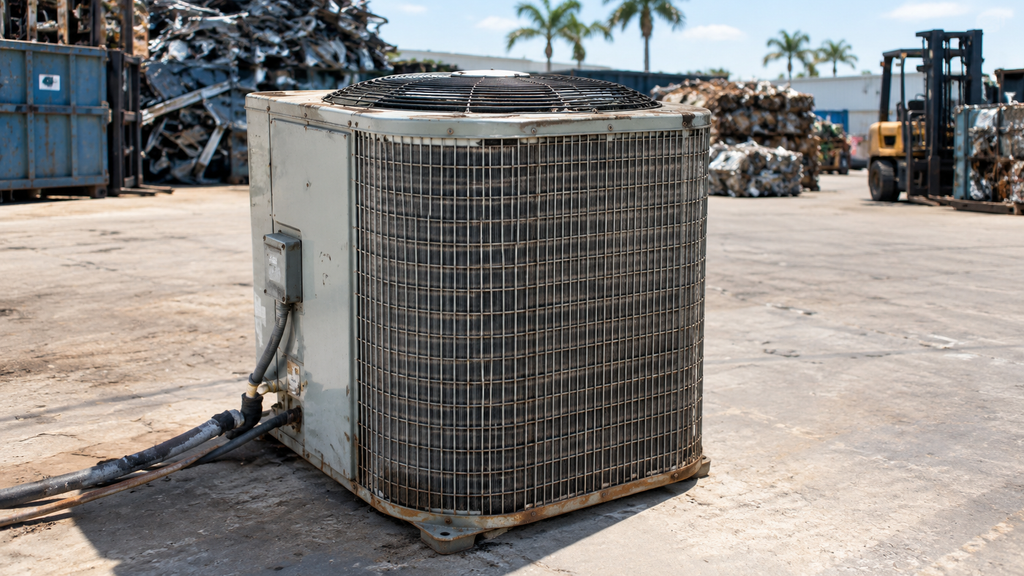
For homeowners, contractors, and businesses across South Florida, responsible recycling offers a practical alternative to improper disposal. All Metal Recycling helps customers explore metal recycling options and understand the next steps for handling unwanted metal items.
This guide explains the recycling process, factors that influence scrap value, and how to prepare your old air conditioner for responsible recycling.
Why Should You Recycle an Old Air Conditioner?
An air conditioner is more than a large metal box. Its internal components contain different materials that can be recovered and directed toward appropriate recycling streams.
When an appliance is handled correctly, recyclable metals can be processed into raw materials for manufacturing new products. This reduces the need to obtain as much new material from mining and other resource-intensive processes.
There are several reasons to recycle an old AC unit:
- Recover valuable metals: Copper tubing, aluminum fins, and steel components may have scrap value.
- Reduce unnecessary waste: Recycling allows suitable materials to be recovered instead of sending the entire unit to a landfill.
- Support responsible refrigerant management: Proper handling helps prevent the release of refrigerants into the atmosphere.
- Clear unwanted equipment: Recycling provides an option when replacing residential or commercial cooling systems.
- Make better disposal decisions: Understanding the process helps you compare recycling with other available disposal options.
The most important consideration is that air conditioners should not be treated like ordinary scrap metal until refrigerant and other relevant components have been addressed.
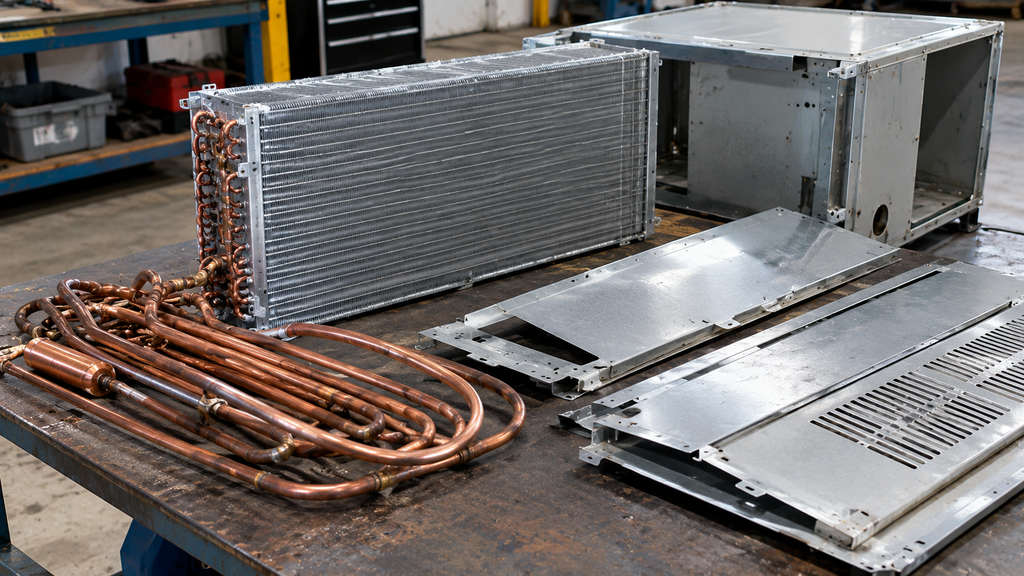
What Parts of an Air Conditioner Can Be Recycled?
Before arranging disposal, it helps to understand what an AC unit contains. The exact materials depend on the appliance’s design, age, size, and condition.
1. Copper Tubing and Wiring
Copper is commonly found in air conditioner tubing, electrical wiring, and certain internal components. It is widely used because it transfers heat efficiently and conducts electricity effectively.
Clean, properly separated copper may be more valuable than mixed or contaminated scrap. However, the amount of recoverable copper varies considerably between units.
Do not cut refrigerant lines or dismantle sealed components simply to extract copper. Leave work involving the refrigerant circuit to appropriately equipped professionals.
2. Aluminum Coils and Fins
Aluminum is frequently used in heat exchanger fins and coils. These components help transfer heat during the cooling process.
Aluminum may be recyclable even when the AC unit no longer works. Its value depends on the material grade, cleanliness, and whether it remains attached to other metals.
3. Steel Cabinet and Structural Parts
Window units, outdoor condensers, and other AC systems often contain steel panels, brackets, frames, and mounting components.
Steel is commonly accepted by metal recyclers, although heavy coatings, attached materials, and mixed construction can affect sorting and processing.
4. Compressor and Electric Motors
The compressor circulates refrigerant through the cooling system. It contains a mixture of metal and mechanical components, and some designs also contain recoverable copper.
Compressors may contain refrigerant and oil, so they should not be opened or dismantled casually. Proper handling is important before the compressor enters the appropriate recycling stream.
5. Plastic, Insulation, and Electronic Components
Air conditioners may also contain plastic housings, insulation, circuit boards, sensors, and other electrical parts. Not every component can be recycled through the same process as metal.
Separate material streams may be necessary, depending on the unit and the facility’s capabilities.
For more information about recovering different metals, explore All Metal Recycling’s metal recycling services.
How to Recycle an Air Conditioner Step by Step
Knowing the correct sequence makes the process easier and helps you avoid unsafe handling.
Step 1: Identify the Type of Air Conditioner
Start by identifying the equipment you need to recycle. Common types include window AC units, portable air conditioners, split-system condensers, central air conditioning equipment, and commercial cooling units.
The type and size matter because disposal procedures and refrigerant-handling requirements may differ.
If you are replacing a complete central system, your HVAC contractor may be able to explain how the old equipment will be removed and where it will be taken.
Step 2: Turn Off Power and Arrange Safe Removal
Disconnecting an appliance from electricity is important, but larger systems can involve dedicated circuits, hardwired connections, and electrical hazards.
A qualified HVAC professional should disconnect hardwired systems and handle equipment that requires technical removal. Do not attempt to remove a heavy outdoor condenser from its mounting or electrical connections without the necessary skills and equipment.
For a window unit, arrange safe removal and lifting assistance. These appliances can be surprisingly heavy and may fall if removed incorrectly.
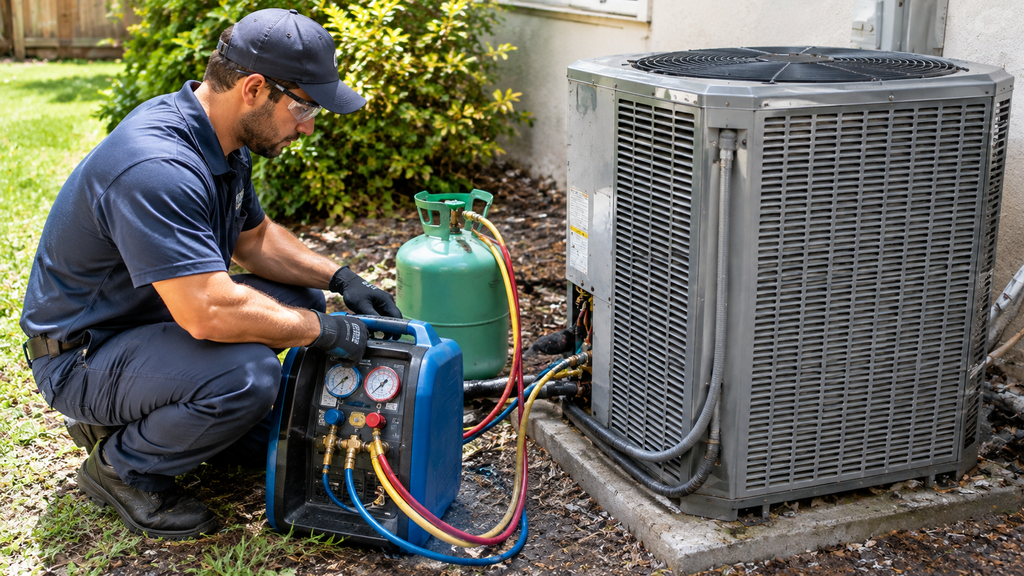
Step 3: Arrange Proper Refrigerant Recovery
Refrigerant is one of the most important considerations when recycling an air conditioner.
The U.S. Environmental Protection Agency explains that federal refrigerant rules prohibit the intentional venting of covered refrigerants during servicing, maintenance, repair, and disposal. Appropriate recovery procedures help prevent harmful emissions.
Read the EPA’s guidance on safe disposal of air conditioning and refrigeration equipment before arranging disposal.
Do not puncture refrigerant lines, open the compressor, or release gas into the air. For larger systems, use a qualified HVAC technician to recover the refrigerant as required.
Ask your chosen recycling facility what documentation or preparation it requires. A sticker alone does not necessarily satisfy applicable federal verification requirements.
Step 4: Check the Recycling Facility’s Requirements
Before loading an old air conditioner into a vehicle, contact the recycling center to confirm whether it accepts your particular unit.
Ask questions such as:
- Does the facility accept window units, outdoor condensers, or commercial AC equipment?
- Must refrigerant recovery be completed before delivery?
- Is documentation of refrigerant recovery required?
- Should attached wiring, coils, and other materials remain intact?
- Are there minimum quantities or specific drop-off procedures?
- How is the unit weighed and evaluated?
These questions can prevent unnecessary trips and help you prepare the appliance correctly.
All Metal Recycling’s air conditioning recycling service page is a useful starting point for learning about its services and contacting the business to confirm current acceptance requirements.
Step 5: Prepare the Unit Without Unsafe Dismantling
Once removal and refrigerant handling have been addressed, follow the recycling facility’s instructions for preparing the equipment.
Remove loose rubbish or unrelated items from around the unit. Keep any recovery documentation available, and avoid mixing the appliance with household trash.
Do not cut sealed lines, drain compressor oil onto the ground, or separate components unless you know the work is safe and the facility recommends it.
Leaving the unit intact may be preferable when the recycler has the equipment to process it. Other facilities may have specific preparation requirements.
Step 6: Transport the Air Conditioner Securely
Use a suitable vehicle and secure the appliance so it cannot shift during transportation. Protect yourself from sharp sheet-metal edges, and ask for assistance when lifting heavy equipment.
If the appliance is too large or heavy to transport safely, ask the facility whether it offers collection or can recommend an appropriate removal option. Confirm any fees and service availability before making arrangements.
Step 7: Complete the Recycling Transaction
At the facility, staff may inspect the equipment, determine its weight, identify material categories, and explain the applicable payment or disposal process.
The amount you receive, if any, depends on the facility’s policies, the materials present, current market conditions, and any handling costs.
Keep your transaction details for your records, particularly if you are recycling equipment on behalf of a contractor or business.
How Much Is an Old Air Conditioner Worth?
An old AC unit can contain recyclable metals, but its value is not determined by the appliance’s age or size alone.
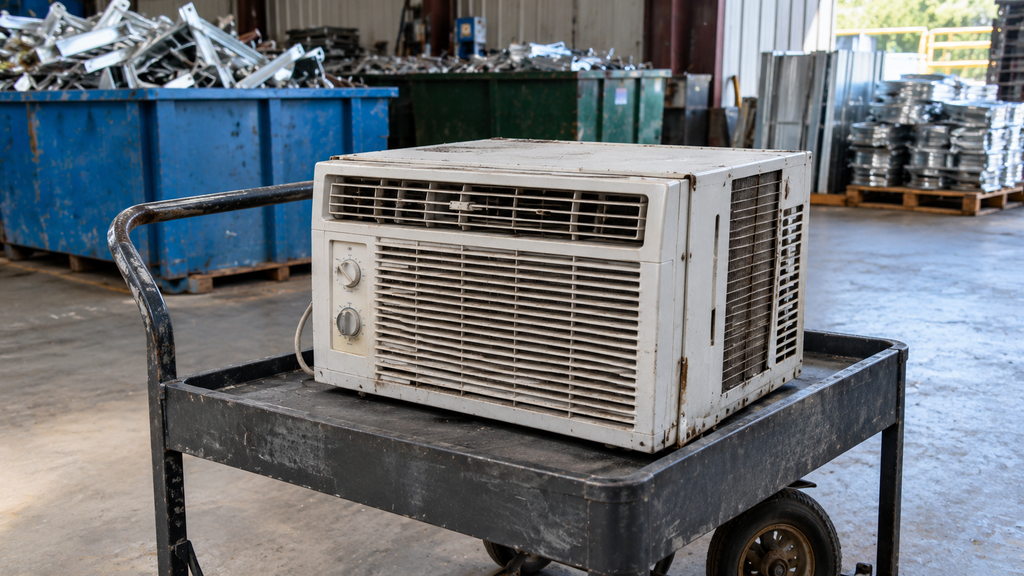
If you are researching how much does metal recycling pay, start by understanding that different metals receive different prices. Copper, aluminum, and steel generally fall into separate material categories, and mixed equipment may not receive the same rate as clean, sorted scrap.
Several factors influence the value of an air conditioner:
- Metal composition: The quantity and type of recoverable metal can make a significant difference.
- Weight: Larger systems may contain more metal, but overall weight also includes nonmetal materials.
- Material condition: Clean, separated scrap may be evaluated differently from mixed or contaminated equipment.
- Refrigerant and processing requirements: Required recovery, handling, and preparation can affect the overall economics of recycling.
- Current market demand: Scrap metal values change with market conditions and local purchasing policies.
- Facility grading: Each recycler may use its own applicable categories, weighing procedures, and acceptance rules.
Avoid estimating the payment from the unit’s total weight alone. A heavy air conditioner is not necessarily equivalent to the same weight of clean copper or aluminum.
Understanding Recycling Center Prices
When comparing recycling center prices, ask whether the facility purchases complete air conditioners, accepts only specific components, or requires prior refrigerant recovery.
You should also clarify whether the quoted rate applies to a particular metal grade or to mixed equipment. If a unit contains multiple materials, the final evaluation may differ from a price advertised for clean copper or aluminum.
For a more useful estimate, provide the facility with the AC type, approximate size, quantity, condition, and information about refrigerant recovery.
All Metal Recycling can be contacted through its official website to ask about current acceptance requirements and the process for evaluating your equipment. Confirm current pricing directly rather than relying on outdated online estimates.
Where Can You Recycle an Air Conditioner in South Florida?
If you live in Palm Beach County, Broward County, or Miami-Dade County, look for a recycling facility that can explain how it handles the type of air conditioner you have.
Choosing a nearby facility can reduce transportation time, especially when you are dealing with heavy outdoor condensers or multiple units from a property renovation.
Depending on your location, these All Metal Recycling pages may help you explore local options:
- Customers in Palm Beach County can review scrap metal recycling in West Palm Beach, FL.
- Those closer to Broward County can explore scrap metal recycling in Fort Lauderdale, FL.
- Customers in Miami-Dade County can review scrap metal recycling in Miami, FL.
These pages are useful starting points for finding service information. Contact All Metal Recycling before traveling to confirm that your specific air conditioner is accepted, whether refrigerant recovery must be completed in advance, and what payment or drop-off procedures apply.
If you are also clearing out other unwanted equipment, you can explore the company’s electronic recycling services to learn about its electronic recycling offering. Confirm acceptance for each item separately.
Common Mistakes to Avoid When Recycling an AC Unit
Even when your goal is to recycle responsibly, a few common mistakes can complicate the process.
Releasing refrigerant: Never intentionally vent refrigerant or puncture sealed cooling lines. Arrange appropriate recovery before disposal.
Assuming every facility accepts complete units: Some facilities may accept only certain equipment types or require prior preparation. Always call ahead.
Ignoring the difference between metal grades: Mixed AC equipment and clean copper are not interchangeable categories. Ask how the facility classifies your materials.
Dismantling the unit too early: Removing coils, compressors, or wiring without understanding the hazards can cause injuries and make the recycling process more difficult.
Using outdated price estimates: Online scrap prices may not reflect the facility’s current rates, material grading, or processing requirements.
Leaving the unit at the curb without checking local rules: Bulky-item collection policies vary. Unscheduled disposal can result in improper handling or unnecessary waste.
A little preparation helps you avoid these problems and makes the recycling process more straightforward.
Frequently Asked Questions
1. Can I recycle an air conditioner that no longer works?
Yes, a nonworking air conditioner may still contain recyclable copper, aluminum, and steel. Acceptance depends on the unit type and the recycling facility’s requirements. Contact All Metal Recycling to confirm whether your equipment can be accepted and what preparation is necessary.
2. Do I need to remove refrigerant before recycling an air conditioner?
Refrigerant must be managed according to applicable requirements before final disposal. Do not release it yourself. Ask a qualified HVAC professional or the appropriate disposal facility about recovery procedures, required documentation, and who is responsible for completing the process.
3. How much does metal recycling pay for an old AC unit?
Payment depends on the amount and type of recoverable metal, the unit’s condition, current market rates, and the facility’s grading and processing policies. Contact All Metal Recycling for information about evaluating your particular equipment. No fixed payment can be guaranteed without an assessment.
4. What affects recycling center prices for air conditioners?
Material composition, scrap grade, weight, cleanliness, market conditions, and handling requirements can all influence the amount offered. Ask All Metal Recycling about its current pricing process and whether your complete unit or separated materials are eligible.
5. Can I recycle an air conditioner in West Palm Beach or Fort Lauderdale?
You can explore local recycling options through All Metal Recycling’s West Palm Beach and Fort Lauderdale service-area pages. Contact the business first to verify acceptance of your AC unit, refrigerant requirements, operating details, and any applicable charges or payment terms.
6. Should I dismantle my air conditioner before taking it to All Metal Recycling?
Not unless the facility specifically instructs you to do so and the work can be performed safely. AC systems may contain refrigerant, compressor oil, electrical components, and sharp metal edges. Confirm the facility’s preparation requirements before attempting to separate parts.
Conclusion
Learning how to recycle an air conditioner is about more than finding somewhere to drop off an unwanted appliance. It involves identifying recoverable materials, arranging proper refrigerant handling, preparing the equipment safely, and understanding how a recycling facility evaluates the unit.
Copper, aluminum, and steel can all contribute to material recovery, but the value of a particular air conditioner depends on its construction, condition, and current scrap market conditions. Checking acceptance requirements and pricing in advance helps you make a better-informed decision.
If you are replacing an old cooling system or clearing unwanted metal equipment in South Florida, contact All Metal Recycling to discuss your recycling options. Confirm the requirements for your specific unit before bringing it in, and take the next step toward responsible metal recovery.