
Are you wondering about the Radiator Scrap Price before selling an old car radiator? If you have recently replaced a vehicle’s radiator or have unwanted automotive parts sitting in your garage, recycling them could be a practical way to recover some value.
Old car radiators often contain recyclable metals such as aluminum, copper, and brass. However, not every radiator has the same scrap value. The amount a recycling facility may offer depends on the metal composition, weight, condition, and current market demand.
Before taking your old radiator to a scrap yard, it helps to understand what affects its value and how recycling facilities evaluate different materials. Whether you want to sell one used radiator or have several automotive parts to recycle, knowing what to expect can make the process easier.
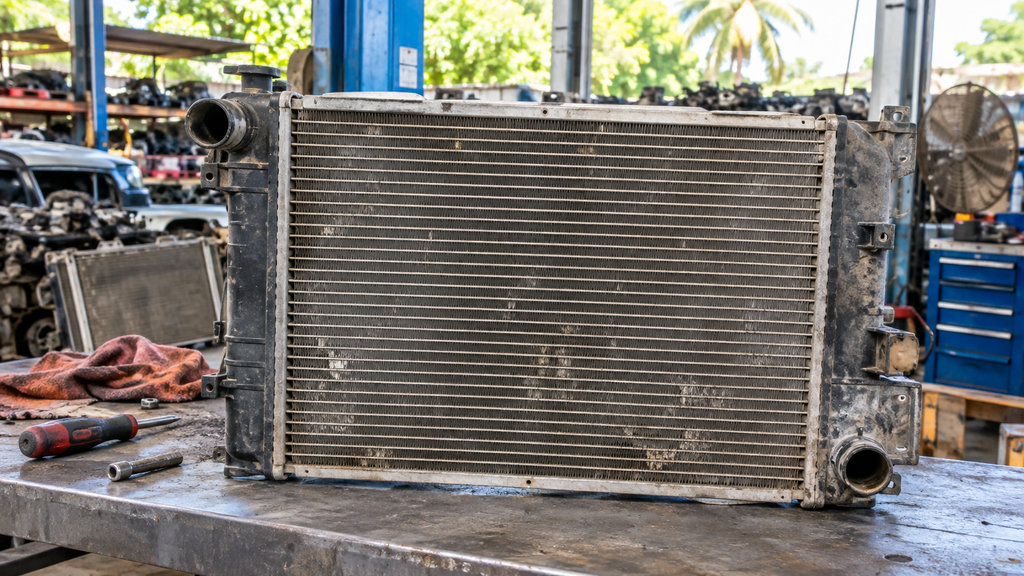
In this guide, we will explain radiator scrap values, the factors that influence recycling center prices, how to prepare an old radiator, and where to explore metal recycling services in South Florida with All Metal Recycling.
What Is an Old Car Radiator Worth?
There isn’t one fixed price for every old car radiator. Two radiators that look almost identical can have different scrap values because their internal materials, weight, and construction may not be the same.
For example, many newer vehicles use aluminum radiator cores with plastic end tanks. Some older automotive radiators contain copper and brass components. Since these metals are purchased and processed under different categories, their scrap value can vary.
The first thing to understand is that a recycling facility is generally interested in the recoverable metal, not simply the vehicle the radiator came from.
Here are a few things that can make a difference:
- Metal composition: Aluminum, copper, and brass are valued differently in the scrap market.
- Weight: A heavier radiator may contain more recyclable material, although its actual metal content matters.
- Condition: Excessive dirt, attached plastic, rubber, and other unwanted materials can affect how a unit is classified.
- Market demand: Metal buying rates change, so yesterday’s quote may not reflect today’s offer.
- Preparation: Some facilities accept complete radiators, while others have specific sorting requirements.
Before selling, ask the recycling center how it classifies complete automotive radiators. This will give you a much clearer idea of what to expect.
Which Metals Can You Find in an Automotive Radiator?
Not all radiators are manufactured in the same way. Knowing the basic differences can help you understand why one radiator might receive a different offer from another.
Aluminum Radiators
Aluminum is widely used in modern automotive cooling systems because it is lightweight and transfers heat efficiently.
Many newer vehicle radiators have aluminum cores combined with plastic tanks. These units can still contain recyclable aluminum, but the plastic components may need to be considered separately during the evaluation process.
If you have an aluminum radiator, ask whether the facility accepts it as a complete unit or requires additional separation.
Copper and Brass Radiators
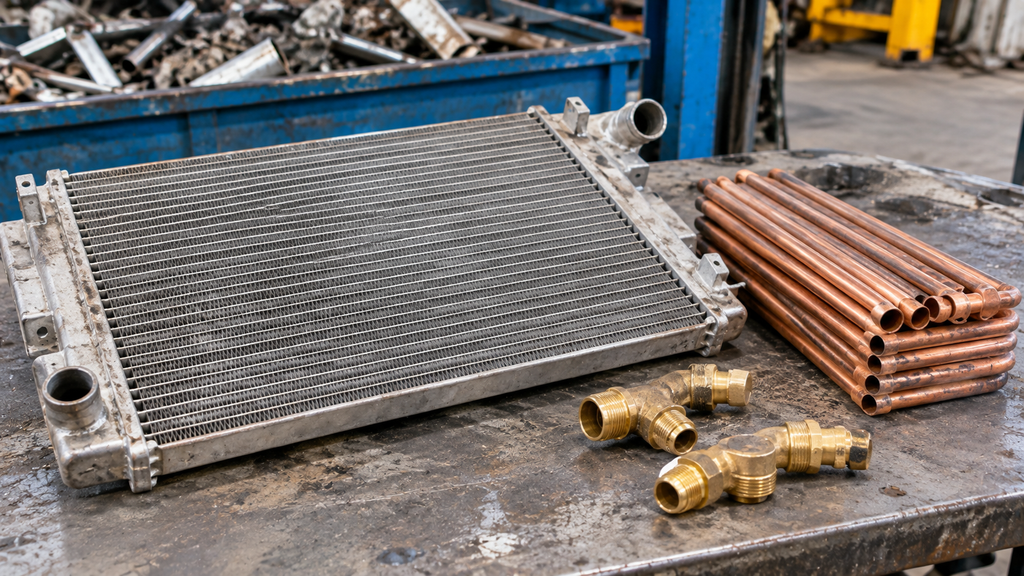
Some older vehicles use radiators containing copper and brass. These materials may be recovered separately depending on the radiator’s construction and the recycler’s grading requirements.
Copper and brass radiators can sometimes be more valuable than certain mixed-material units, but you should never assume that every older radiator automatically has a higher scrap value.
The actual material content and current buying rate determine the offer.
Mixed-Metal Radiators
Some automotive radiators contain a combination of metals, plastic, rubber, and other components.
These units may require additional sorting before the recyclable materials can be processed. If you cannot identify the materials yourself, let the recycling facility inspect the radiator rather than trying to separate everything at home.
What Factors Affect the Radiator Scrap Price?
Understanding how recycling facilities evaluate automotive scrap can help you avoid unrealistic expectations when selling an old radiator.
1. Type and Quality of Metal
The metal inside the radiator is one of the biggest factors affecting its value. Clean aluminum, copper, brass, and mixed-metal materials are not necessarily purchased at the same rate.
This is why identifying the radiator type before requesting a quote is useful.
2. Total Weight
Weight matters because recycling facilities generally calculate payments using the accepted material’s weight and applicable buying rate.
For example, a larger radiator may contain more recoverable metal than a smaller one. However, a bulky unit with plastic tanks and other attachments will not necessarily have the same value as an equivalent weight of clean metal.
3. Attached Nonmetal Components
Plastic tanks, rubber hoses, steel fittings, and other attachments can affect the way a radiator is classified.
Some recyclers accept complete units, while others prefer certain components to be separated. Always check the facility’s requirements before dismantling anything.
4. Current Scrap Metal Market
Metal markets change over time. Demand from manufacturers, processors, and industrial buyers can influence the rates recycling facilities offer.
When comparing the Radiator Scrap Price, make sure you are looking at current quotes rather than old online estimates. A price published months ago may no longer be accurate.
How Much Does Metal Recycling Pay for Old Radiators?
This is one of the first questions people ask when they decide to sell unwanted automotive parts.
The answer depends on the type of metal, accepted weight, material condition, and the recycling facility’s current buying rate.
For instance, imagine you have two old radiators. One has an aluminum core with plastic tanks, while the other contains copper and brass. Even if both units weigh roughly the same, the recycler may classify them differently.
That is why it is better to request an individual assessment instead of relying on a general price you found online.
If you want to know how much does metal recycling pay for your particular radiator, have the following information ready:
- The approximate number of radiators you want to sell.
- Whether they are aluminum, copper, brass, or mixed-metal units.
- Their approximate size and weight, if known.
- Whether they still have plastic tanks, hoses, or other attachments.
- Your location and whether you can transport the material.
You can also take a few clear photographs and ask the facility whether they can provide preliminary guidance.
A quote based on the actual material is much more useful than a generic estimate for all types of automotive radiators.
How Do Recycling Center Prices Work?
If you have searched online for recycling center prices, you may have noticed that different facilities sometimes advertise different rates.
This does not necessarily mean one recycler is offering a better deal. They may be pricing different material grades or accepting different types of scrap.
Before comparing offers, ask these questions:
Is the price for a complete radiator or separated metal? A rate for clean aluminum should not be compared directly with a rate for a complete radiator containing plastic components.
Is the rate current? Scrap metal values can change, so confirm the buying rate on the day you plan to sell.
Are there preparation requirements? Some facilities accept complete radiators, while others may require certain materials to be separated.
How is the material weighed? Ask whether the quote applies to the total accepted weight or only the recoverable metal.
Are there minimum quantity requirements? If you have several radiators or a larger collection of automotive scrap, confirm whether the facility has any specific requirements.
Taking a few minutes to ask these questions can save you an unnecessary trip and help you make a better comparison.
How to Prepare an Old Car Radiator for Recycling
You do not need to turn radiator recycling into a complicated project. A few sensible steps can make the process easier.
Step 1: Identify What You Have
Start by checking whether the radiator is primarily aluminum, copper, brass, or a combination of materials.
If you are unsure, don’t guess. A recycling professional can help identify the material and explain how it is classified.
Step 2: Keep It Separate From Other Scrap
If you also have old metal pipes, automotive parts, copper wire, or aluminum scrap, keep these materials separate where practical.
Mixing everything together can make identification more difficult. Keeping radiators in a separate pile also makes it easier to explain exactly what you are bringing to the recycling facility.
Step 3: Handle Remaining Coolant Properly
An old radiator may still contain coolant or antifreeze. This fluid should never be poured onto the ground, into a storm drain, or into an ordinary household drain.
The U.S. Environmental Protection Agency’s guidance on household hazardous waste explains why materials such as automotive fluids require appropriate handling and disposal.
Keep any collected coolant in a suitable, closed, clearly identified container and follow local disposal requirements.
Step 4: Check Before Removing Components
It may seem like removing every plastic or rubber component would increase the radiator’s value, but that is not always the case.
Some recycling facilities prefer complete radiator assemblies, while others have specific preparation instructions.
Call first and ask what they accept. There is no reason to spend time dismantling a radiator if the facility would rather receive it as it is.
Step 5: Arrange Safe Transportation
Once you know the facility’s requirements, arrange transportation for your radiator.
If you have several units, secure them properly so they do not shift during the trip. Make sure any remaining fluids cannot leak during transportation.
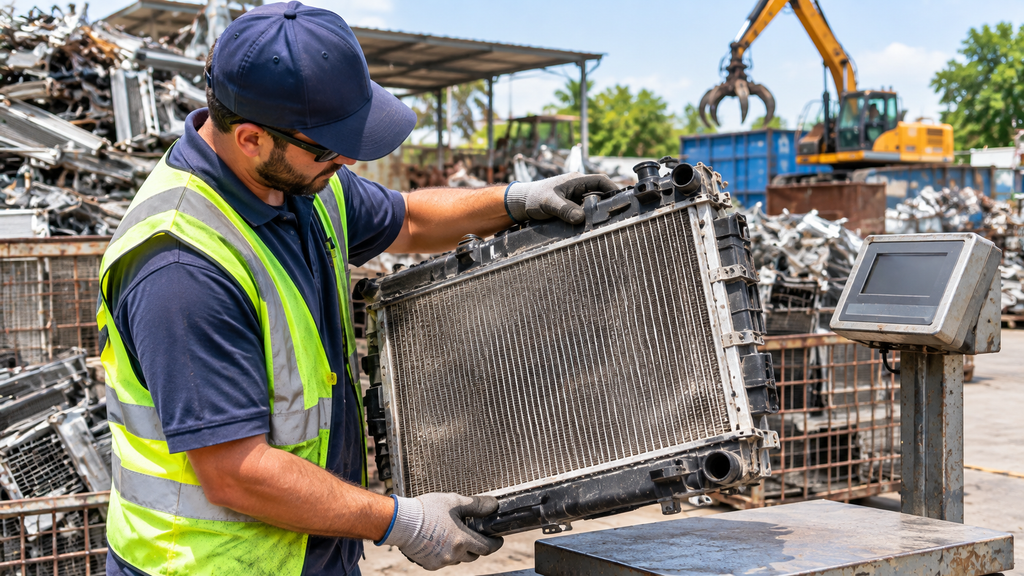
Where Can You Recycle Old Car Radiators in South Florida?
Finding a local recycling facility is often the next step after removing an old radiator from your vehicle.
If you live in South Florida, All Metal Recycling is a local business to contact about its metal recycling services. Before making the trip, ask whether your particular radiator type is accepted and what preparation requirements apply.
You can learn more about its metal recycling services and get in touch with the business about your unwanted metal.
All Metal Recycling also provides location-specific information for customers in several South Florida communities:
- West Palm Beach: Explore scrap metal recycling in West Palm Beach, FL.
- Fort Lauderdale: Find information about scrap metal recycling in Fort Lauderdale, FL.
- Miami: Learn more about scrap metal recycling in Miami, FL.
- Boynton Beach: Visit the page for scrap metal recycling in Boynton Beach, FL.
- Greenacres: Check out scrap metal recycling in Greenacres, FL.
These pages can help you explore the business’s local service information. Contact All Metal Recycling directly to confirm radiator acceptance, current purchasing requirements, and any details you need before visiting.
Why Choose All Metal Recycling for Your Scrap Metal Needs?
When you are ready to get rid of unwanted metal, you want to know where to take it and what to expect.
All Metal Recycling offers metal recycling services in South Florida and provides information for customers looking for local recycling options.
If you have an old automotive radiator, the best first step is to contact the team and explain what you have. Ask whether the material is accepted, whether it needs to be separated, and how its value is determined.
You can also ask about recycling other unwanted metal items rather than making separate arrangements for every type of scrap.
A little preparation before your visit can make the process more convenient and help you avoid surprises when your material is evaluated.
Is It Worth Recycling an Old Car Radiator?
In many cases, yes. An old radiator may still contain useful metals even when it can no longer be used in a vehicle.
Instead of leaving it in a corner of your garage or disposing of it with general waste, recycling gives those materials an opportunity to be recovered and used again.
The amount you receive will depend on the actual material and current market conditions, so it is important to have realistic expectations. Not every radiator will bring the same return, and some units may require additional sorting.
If you have an old radiator waiting to be removed, start by identifying its material, checking the facility’s requirements, and requesting a current quote.
For customers in South Florida, All Metal Recycling is a convenient starting point for learning about local metal recycling options.
Frequently Asked Questions
1. How can I check the current Radiator Scrap Price?
The best way is to contact a local recycling facility and provide details about the radiator’s material, weight, and condition. Ask for a current quote and confirm whether the rate applies to a complete radiator or separated metal.
2. Are old aluminum car radiators worth anything?
They can have scrap value because aluminum is recyclable and widely used in manufacturing. However, the final offer depends on the recoverable aluminum content, attached plastic components, accepted material grade, and current market rate.
3. Do scrap yards buy complete car radiators?
Some recycling facilities accept complete automotive radiators, while others have preparation or separation requirements. Contact All Metal Recycling before visiting to confirm whether your particular unit is accepted.
4. How much does metal recycling pay for an old radiator?
There is no standard payment amount. The offer depends on metal type, accepted weight, condition, and the facility’s current buying rate. All Metal Recycling can be contacted to ask about its current material acceptance and pricing requirements.
5. Should I remove plastic tanks from an old radiator before selling it?
Not necessarily. Some facilities accept complete radiator assemblies, while others prefer certain components to be separated. Check the recycler’s instructions before removing anything.
6. Where can I find recycling center prices for automotive radiators in South Florida?
Contact local recycling facilities directly for current rates. All Metal Recycling can provide information about its metal recycling services and whether your specific radiator material meets its acceptance requirements.
Contact All Metal Recycling About Your Scrap Metal
Have an old radiator sitting around after a vehicle repair or replacement? Don’t assume it has to become waste.
Find out what type of metal it contains, check how it should be prepared, and contact All Metal Recycling to discuss your recycling options in South Florida.
A quick conversation before your visit can help you understand the process, confirm material acceptance, and request current pricing information.