
An old stove can take up valuable space in your kitchen, garage, or storage area. Maybe it stopped heating properly, the burners no longer work, or you recently upgraded to a newer model. Whatever the reason, getting rid of it does not have to mean sending useful materials to a landfill.
Stove Recycling is a practical way to handle an unwanted cooking appliance while recovering valuable metal and reducing unnecessary waste. Many household stoves contain steel, stainless steel, aluminum, copper wiring, and other components that may be suitable for recycling, depending on their condition and the facility’s requirements.
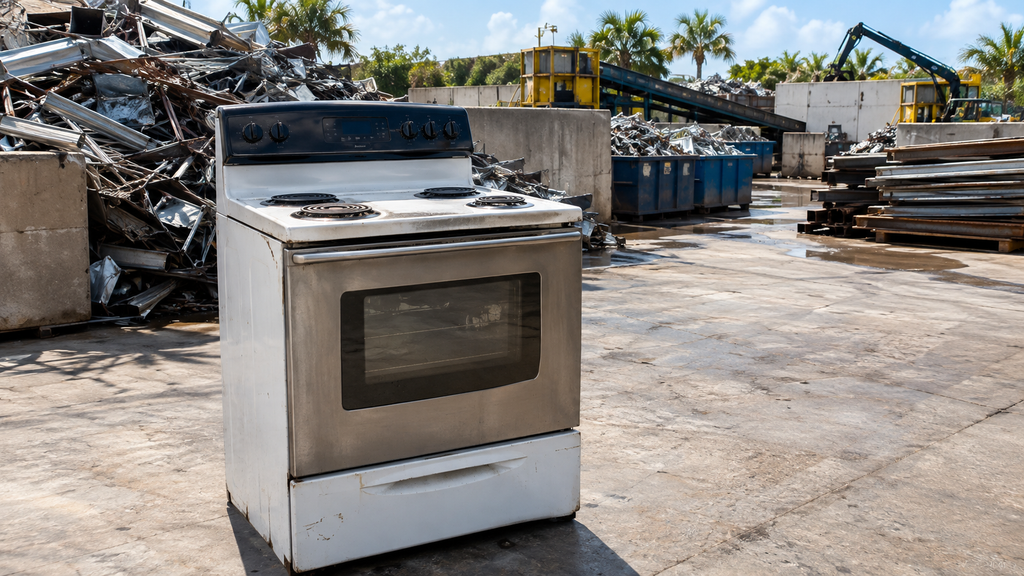
For homeowners, contractors, landlords, and property managers in South Florida, understanding how appliance recycling works can make cleanup easier and help you explore possible scrap metal value.
In this guide, you will learn which stove parts can be recycled, how to prepare an old appliance, what affects its potential value, and how All Metal Recycling can help you find a practical recycling option.
What Is Stove Recycling?
Stove recycling involves collecting an unwanted cooking appliance and recovering reusable materials instead of treating the entire unit as ordinary household trash.
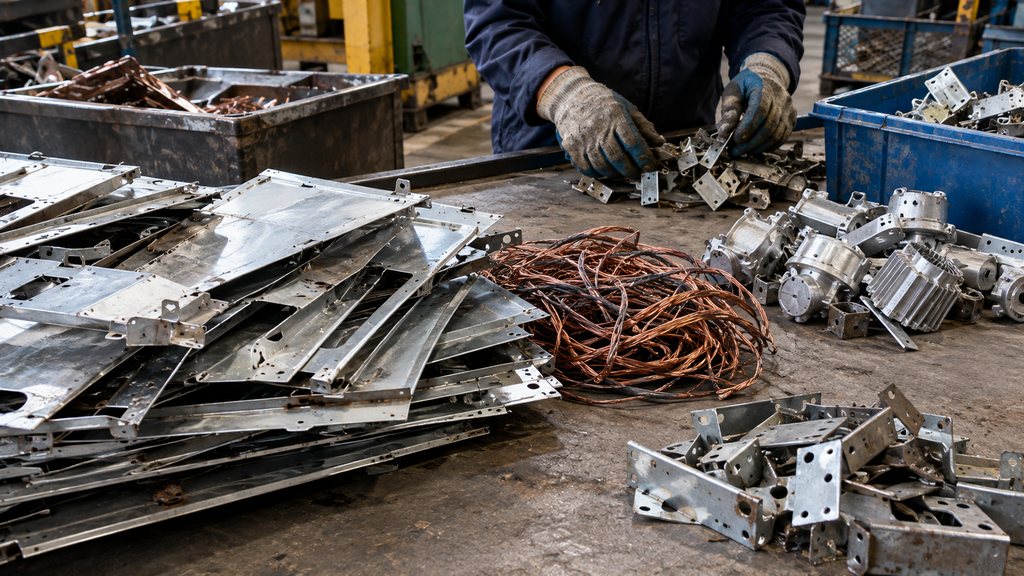
Most residential stoves contain a substantial amount of metal. The outer cabinet, cooking surface, internal frame, and other structural components may contain steel or stainless steel. Some models also include copper wiring, aluminum parts, motors, or electronic controls.
Once an accepted appliance reaches an appropriate recycling facility, its materials can be sorted and directed toward suitable recovery processes.
The exact process depends on the appliance’s design, condition, and the facility’s handling procedures. A stove that is still functional may be suitable for reuse, while a broken or outdated unit may be more appropriate for material recovery.
The main benefit is straightforward: an appliance that no longer serves its original purpose may still contain materials worth recovering.
Which Parts of an Old Stove Can Be Recycled?
Not every component has the same recycling value. Knowing what your appliance contains can help you understand what happens after you drop it off.
1. Steel and Stainless Steel
Steel is commonly used in stove cabinets, frames, supports, and other structural components. Stainless steel may appear in cooking surfaces, trim, or exterior panels, depending on the model.
These metals can often enter established scrap metal recovery streams. However, a recycling facility may classify different grades separately, so the material type and condition can affect how the appliance is handled.
2. Copper Wiring
Electric stoves and modern appliances may contain wiring, connectors, and electrical components with copper. Copper is generally more valuable than ordinary steel by weight, but the amount inside a stove is usually limited.
Do not assume that removing wires yourself will increase your return. Disassembly takes time and can expose electrical components or sharp edges. Ask the recycling facility whether it accepts the appliance intact.
3. Aluminum Components
Some stove models contain aluminum parts, including selected internal components and hardware. Whether these materials can be recovered separately depends on the appliance’s construction and the recycling process available.
4. Electronic Controls and Circuit Boards
Modern cooking appliances may have digital displays, control boards, sensors, and other electronic parts.
These components should not automatically be treated as ordinary scrap metal. Ask whether the facility accepts them with the appliance or whether separate handling is required. For additional information about related services, explore electronic recycling options.
5. Glass and Nonmetal Parts
Some stoves have glass cooktops, ceramic surfaces, plastic controls, insulation, or other nonmetal materials.
These parts may need separate handling, and not all are accepted in standard scrap metal loads. Leaving the appliance intact until you confirm the facility’s requirements is often the easiest approach.
How to Prepare an Old Stove for Recycling
Preparing an appliance properly can make transportation safer and help prevent delays when you arrive at a recycling facility.
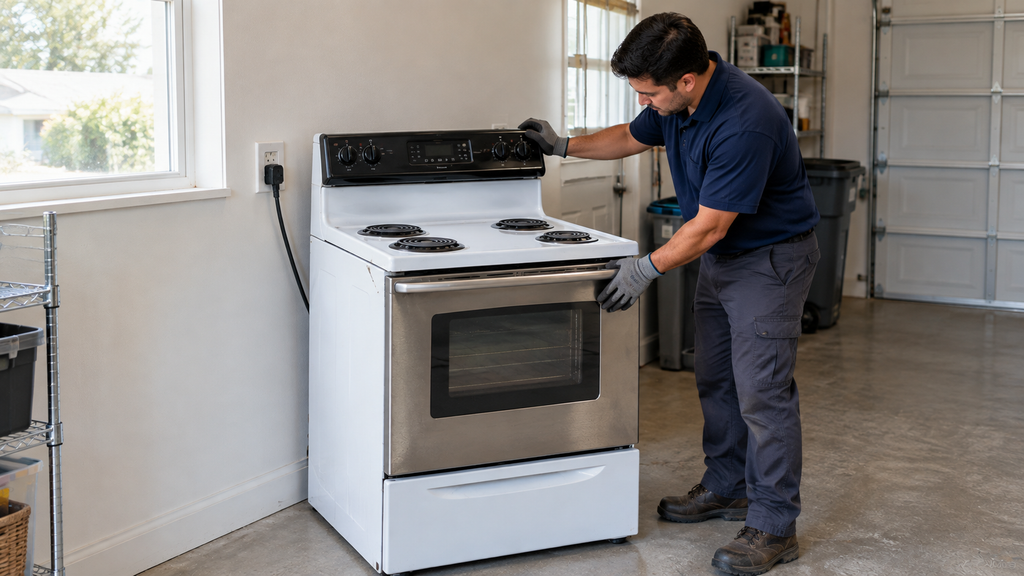
Step 1: Disconnect the Power or Gas Supply
Safety comes first. An electric stove should be disconnected from its power supply before it is moved. A gas stove should have its gas supply shut off and disconnected by a qualified professional when necessary.
Never pull on an attached gas line, cut electrical wiring, or attempt an unfamiliar disconnection. If you are unsure how to make the appliance safe, arrange for professional assistance.
Step 2: Remove Loose Items
Take out oven racks, trays, cookware, and other personal belongings. Clean away loose food debris and grease where practical.
You generally do not need to make a discarded stove look brand new. The goal is to remove personal items and prepare the unit for safe handling.
Step 3: Check the Appliance’s Condition
Identify whether the stove is electric, gas-powered, or an induction model. Note any broken glass, exposed wiring, damaged controls, or other hazards.
This information helps you describe the appliance accurately when contacting a recycler.
Step 4: Confirm Acceptance Before Transport
Not every facility accepts every appliance type, and some may have requirements for gas components, glass, or electronic parts.
Contact the recycling center before loading the stove into your vehicle. Confirm its current acceptance policy, unloading procedure, and any applicable fees.
Step 5: Arrange Safe Transportation
Stoves can be heavy and awkward to move. Use appropriate lifting equipment or professional help rather than attempting to carry a large appliance alone.
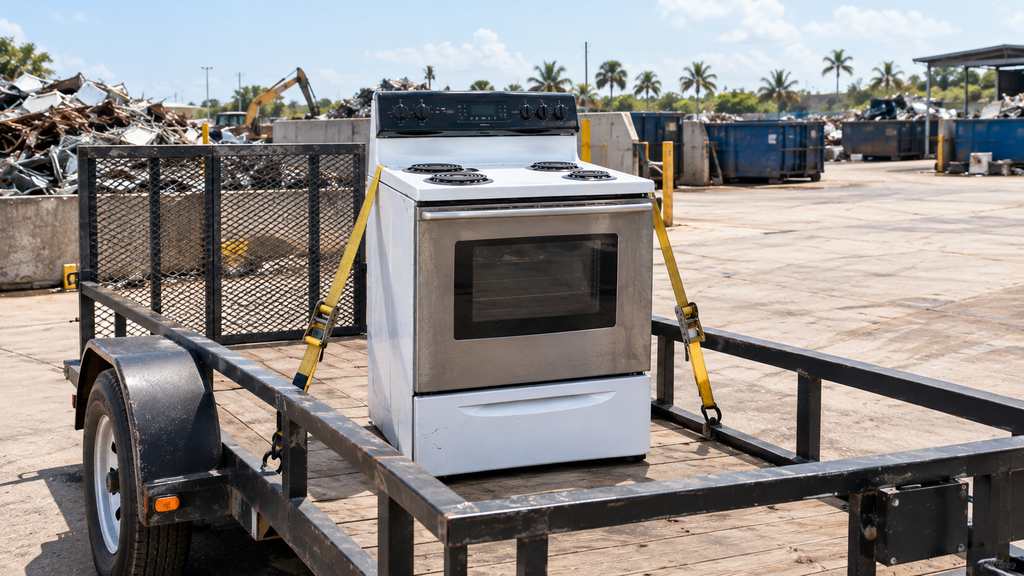
Secure the stove during transport to prevent it from shifting. If you have several appliances or bulky metal items to remove, ask the facility about its available options before making the trip.
How Much Does an Old Stove Pay in Scrap Metal?
One of the most common questions people ask before recycling an appliance is whether it is worth anything.
The answer depends on the stove’s weight, material composition, condition, and the current market for the metals it contains. Some facilities may classify an intact stove as mixed or prepared appliance scrap rather than paying separately for every metal inside it.
Factors That Affect Scrap Value
Metal type: Steel and stainless steel can have different market values. Recoverable copper or aluminum may contribute additional value when accepted and properly separated.
Weight: A heavier stove may contain more recyclable metal, but total weight alone does not determine the final payout.
Preparation: Appliances with excessive contamination or unsuitable attachments may require additional handling. Whether preparation changes the payment depends on the recycler’s policies.
Local market conditions: Scrap metal prices change with supply, demand, processing costs, and regional market conditions.
If you are comparing recycling options, ask for the applicable material classification and current rate before assuming a particular amount.
Understanding Recycling Center Prices
When comparing recycling center prices, make sure you understand what the quoted rate actually covers. A rate for clean, sorted steel may not apply to a complete stove containing glass, wiring, insulation, and mixed materials.
Ask whether the appliance is accepted as a whole unit, whether any preparation is required, and whether fees apply to specific components. These details make it easier to compare your options fairly.
How Much Does Metal Recycling Pay for a Stove?
There is no universal payout for an old stove. The amount you receive, if any, depends on the facility’s current buying policy, the materials it can recover, and the applicable scrap rate.
A useful first step is to describe your appliance accurately and ask the recycler how it classifies that type of scrap. Avoid relying on outdated price lists or estimates intended for a different metal grade.
For homeowners clearing out a kitchen, the convenience of responsible disposal may also be an important consideration, even when an appliance has limited scrap value.
Why Choose Recycling Instead of Throwing a Stove Away?
An unwanted stove can contain materials that remain useful after the appliance reaches the end of its working life.
Recover Useful Resources
Recovering steel, stainless steel, and other suitable metals allows those materials to enter established recycling streams. Recycled metal can serve as feedstock for manufacturing, depending on its grade and the processing method.
Reduce Unnecessary Waste
Recycling suitable appliance materials can reduce the amount of recoverable metal sent to disposal facilities. However, actual environmental benefits depend on how the appliance is collected, processed, and handled.
Make Property Cleanouts Easier
Old stoves are common during kitchen renovations, rental property turnovers, estate cleanouts, and commercial remodeling projects. Having a recycling plan helps property owners organize unwanted appliances alongside other scrap metal.
For larger metal cleanouts, you can also review scrap metal recycling services in West Palm Beach to explore a relevant local option.
Support Material Recovery
Recycling is not simply about getting rid of something unwanted. It gives suitable materials another opportunity to be processed and used in new products.
For more guidance on appliance disposal, the U.S. Environmental Protection Agency’s appliance disposal information explains important considerations for household appliances, including equipment that contains refrigerants.
Where Can You Recycle an Old Stove in South Florida?
If you are searching for a local solution, start by looking for a scrap metal recycler that accepts the specific appliance you have.
All Metal Recycling provides metal recycling services for customers in South Florida. Before transporting a stove, contact the business to confirm whether your particular model is accepted and ask about current material classifications, preparation requirements, and applicable rates.
Depending on your location, you can explore these service areas:
- Scrap metal recycling in Fort Lauderdale, FL
- Scrap metal recycling in Miami, FL
- Scrap metal recycling in Boynton Beach, FL
Choose the location most relevant to your trip, then verify the current service details directly with All Metal Recycling.
You can also visit the All Metal Recycling website to learn more about the business and its recycling services.
Should You Recycle a Broken Stove or Replace It?
A broken stove does not necessarily need to be thrown away. The best next step depends on its condition and your plans.
If the appliance can be repaired safely and economically, repairing it or finding an appropriate reuse option may extend its useful life. If it is severely damaged, outdated, or no longer economical to repair, recycling its recoverable materials may be more practical.
Consider these questions before making a decision:
- Is the stove safe to repair and use?
- Would repair costs be reasonable compared with replacement?
- Does the appliance contain damaged glass or exposed electrical components?
- Will a local recycler accept the unit in its current condition?
- Can it be transported safely?
If replacement is the better option, plan the removal before your new appliance arrives. This can prevent the old stove from sitting in a garage, blocking a walkway, or becoming an obstacle during renovation work.
Common Mistakes to Avoid When Recycling a Stove
Even a straightforward appliance cleanout can become inconvenient if you overlook a few important details.
Assuming every facility accepts stoves: Call ahead and confirm the appliance type and acceptance requirements.
Expecting a guaranteed payout: Ask about current rates and fees instead of relying on generic online estimates.
Disconnecting gas lines yourself: Use a qualified professional when needed, and do not move an appliance while it remains connected to a gas or electrical supply.
Removing components without checking first: Dismantling can create safety risks and may not improve the amount you receive. Follow the facility’s instructions.
Ignoring glass and electronic components: Explain what the stove contains so the recycler can advise you on appropriate handling.
Choosing a facility based only on distance: Confirm acceptance, payment policies, and handling requirements before driving across town.
A short phone call can save time, reduce unnecessary travel, and help you choose a suitable recycling option.
Final Thoughts
An old stove may no longer cook your meals, but its metal components can still have a useful purpose. With the right preparation and a suitable recycling facility, you can clear valuable space while helping recover materials that might otherwise be discarded.
Stove Recycling is worth considering when replacing kitchen appliances, completing a renovation, or cleaning out a rental property. The key is to confirm acceptance requirements, handle the appliance safely, and understand how its materials will be classified.
All Metal Recycling is a local resource to consider for scrap metal recycling in South Florida. Contact the business before bringing your appliance to verify acceptance, current rates, and any special handling requirements.
Ready to clear out an unwanted stove? Visit All Metal Recycling to learn more about its services and determine the next step for your appliance.
Frequently Asked Questions
1. Can I recycle an old stove that no longer works?
A nonworking stove may still contain recoverable steel, stainless steel, and other metals. Acceptance depends on the facility’s policies and the appliance’s condition. Contact All Metal Recycling before transporting your stove to confirm whether it can be accepted.
2. Does All Metal Recycling accept old stoves?
Contact All Metal Recycling to verify whether your particular stove type is accepted and whether any preparation is required. Confirming these details beforehand helps you avoid an unnecessary trip.
3. Can I get paid for recycling a stove?
Payment depends on the appliance’s material composition, weight, current scrap rates, and the facility’s buying policy. Ask All Metal Recycling about its current rates and how it classifies your stove before expecting a payout.
4. Do I need to dismantle my stove before recycling it?
Not necessarily. Dismantling can create sharp edges and electrical hazards, and it may not increase the amount you receive. Ask All Metal Recycling whether it accepts the appliance intact and follow its preparation instructions.
5. Where can I find stove recycling in South Florida?
All Metal Recycling serves customers in South Florida. You can explore its relevant local service pages and contact the business to verify the most suitable location, acceptance requirements, and current operating details.
6. What other metal items can I bring to All Metal Recycling?
Depending on its current acceptance policies, All Metal Recycling may be able to help with other eligible scrap metal materials. Visit its metal recycling service page or contact the business to confirm which materials it currently accepts.