
When an oven stops working, replacing it is often easier than figuring out what to do with the old appliance. However, an unwanted oven may still contain recyclable materials that can be recovered instead of sending the entire unit to a landfill. Whether you are replacing an outdated electric range, clearing a rental property, or removing appliances during a kitchen renovation, responsible disposal can make the process more useful and environmentally conscious.
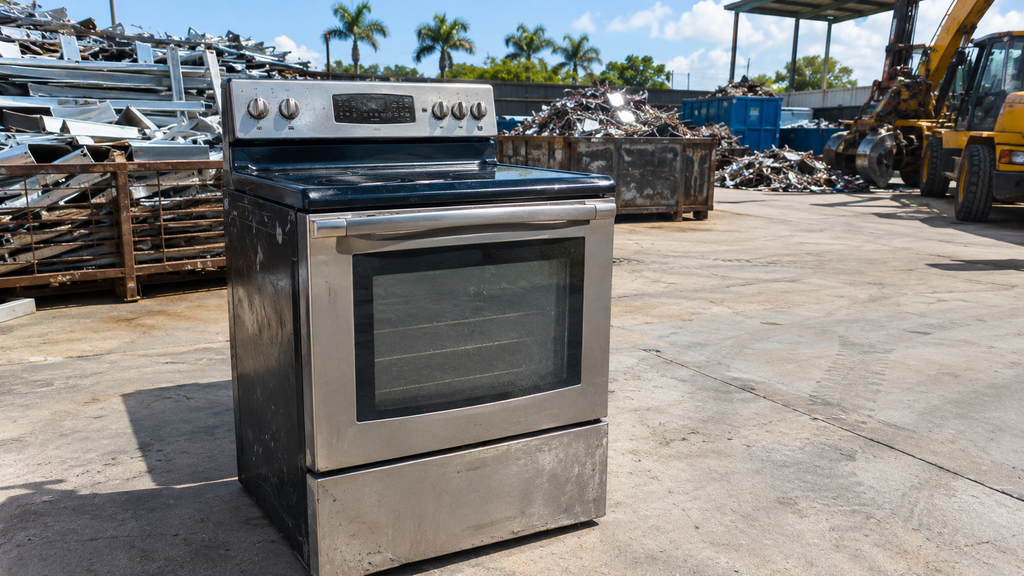
Oven Recycling gives homeowners, contractors, landlords, and property managers an alternative to throwing away a bulky kitchen appliance. Many ovens contain steel, iron, and other metal components that can enter the recycling stream. Some models also contain glass, plastic, insulation, wiring, and electrical parts that need to be handled according to the facility’s requirements.
The important step is finding a recycling facility that accepts your particular appliance and understanding how its materials will be evaluated. All Metal Recycling provides a starting point for exploring metal recycling services and determining the appropriate next step for unwanted metal items.
Before transporting an oven, check the facility’s acceptance rules, preparation requirements, and current payment policies. These details can help you avoid an unnecessary trip and make a more informed decision.
Why Should You Recycle an Old Oven?
A broken oven may look like nothing more than a heavy piece of household waste, but its metal components can still have value as recovered materials. Recycling allows usable metals to be separated and processed for potential use in manufacturing new products.
Recover Valuable Metal Materials
Most conventional ovens contain a substantial amount of steel or other ferrous metal. Depending on the design, they may also include smaller quantities of copper-bearing wiring, aluminum components, and other recoverable materials.
The exact material mix depends on the appliance’s age, construction, and manufacturer. A basic electric range may have a different material composition from a commercial oven or a specialized cooking unit.
Recycling facilities generally assess material according to their own sorting and purchasing requirements. An appliance should not automatically be treated as a source of high-value copper or aluminum simply because those materials may be present.
Reduce Unnecessary Waste
Large appliances take up considerable space when discarded. Recovering suitable metal components can help keep recyclable materials in circulation rather than sending them directly to disposal.
The U.S. Environmental Protection Agency’s appliance disposal guidance explains the importance of appropriate handling and recycling for household appliances. Although an ordinary oven does not contain the same refrigerant systems as a refrigerator, freezer, or air conditioner, responsible handling still matters.
Make Appliance Removal More Practical
If you are replacing several appliances or clearing a property, arranging an appropriate recycling destination can simplify cleanup. You can group eligible scrap materials, confirm acceptance requirements, and plan transportation before moving heavy equipment.
For homeowners and contractors in South Florida, contacting All Metal Recycling is one way to explore available scrap metal recycling options before deciding how to handle an unwanted oven.
Which Parts of an Old Oven Can Be Recycled?
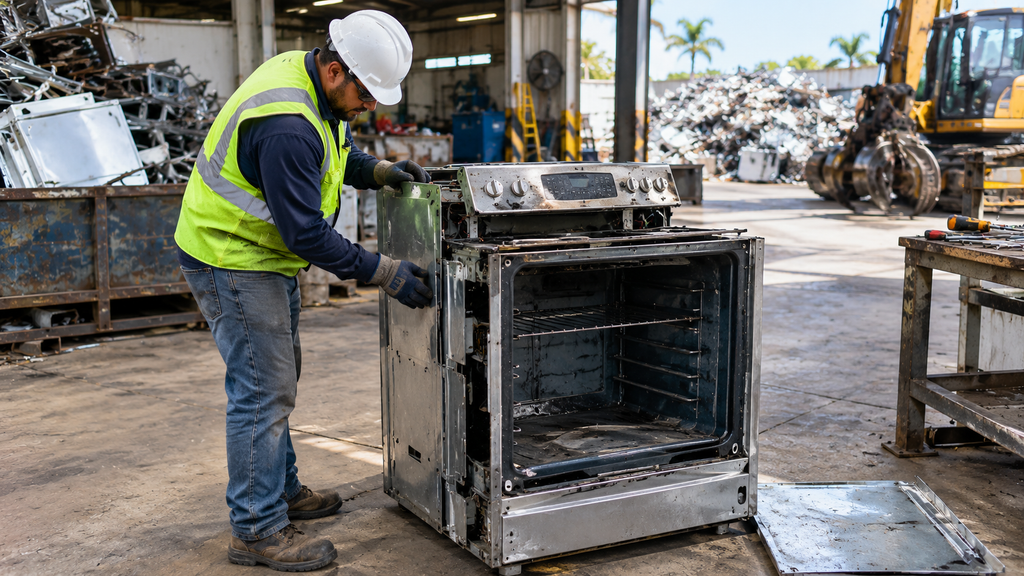
The materials inside an oven vary by model, so the recycling process depends on what the appliance contains and what the receiving facility accepts.
1. Steel and Iron
The outer cabinet, frame, and some internal structural parts commonly contain steel. These components are generally among the main materials of interest when a conventional oven is evaluated for scrap metal recycling.
Steel is widely recovered and processed for use in new metal products. However, the amount a recycling facility will pay depends on its current buying rates, the appliance’s weight, material classification, and any applicable deductions.
2. Copper Wiring
Some ovens contain copper-bearing electrical wiring and connections. Copper may be more valuable than ordinary steel by weight, but its presence does not mean an entire oven will be purchased at a copper rate.
Separating wiring may require specialized tools and electrical knowledge. If you do not have the proper experience, leave the appliance intact and ask the recycling facility whether it accepts complete units.
3. Aluminum Components
Certain oven models use aluminum in selected components. Aluminum may be recyclable when it can be identified and accepted under the facility’s sorting rules.
Do not assume every lightweight metal part is aluminum. Different alloys and mixed materials can be classified differently during processing.
4. Glass, Plastic, and Electrical Parts
Oven doors may contain heat-resistant glass, while control panels and handles may include plastic or electronic components. These materials do not necessarily qualify for the same recycling process as the metal cabinet.
Ask the facility whether these components should remain attached or be handled separately. The safest approach is to follow its instructions rather than dismantling the appliance without a clear reason.
How to Prepare an Oven for Recycling
Proper preparation makes transportation easier and helps reduce avoidable safety risks.
Step 1: Disconnect the appliance safely. Turn off the power at the appropriate circuit and have a qualified professional disconnect hardwired electrical connections when necessary. If the oven uses gas, arrange for a qualified professional to disconnect the gas supply and confirm that the connection is safe.
Step 2: Remove loose items. Take out oven racks, trays, cookware, food residue, and other removable contents. Ask the receiving facility whether racks and trays should be included with the main appliance or sorted separately.
Step 3: Clean away loose debris. Remove loose ash, food scraps, and grease where practical. Avoid harsh chemicals or unnecessary disassembly. A recycling facility may have its own preparation requirements.
Step 4: Check for damage. Look for broken glass, sharp edges, exposed wiring, and unstable doors. Do not attempt to lift or transport a damaged appliance without appropriate assistance.
Step 5: Confirm acceptance before loading. Contact the recycling facility to ask whether it accepts electric ranges, gas ovens, built-in ovens, or commercial cooking equipment. Not every facility handles every appliance type.
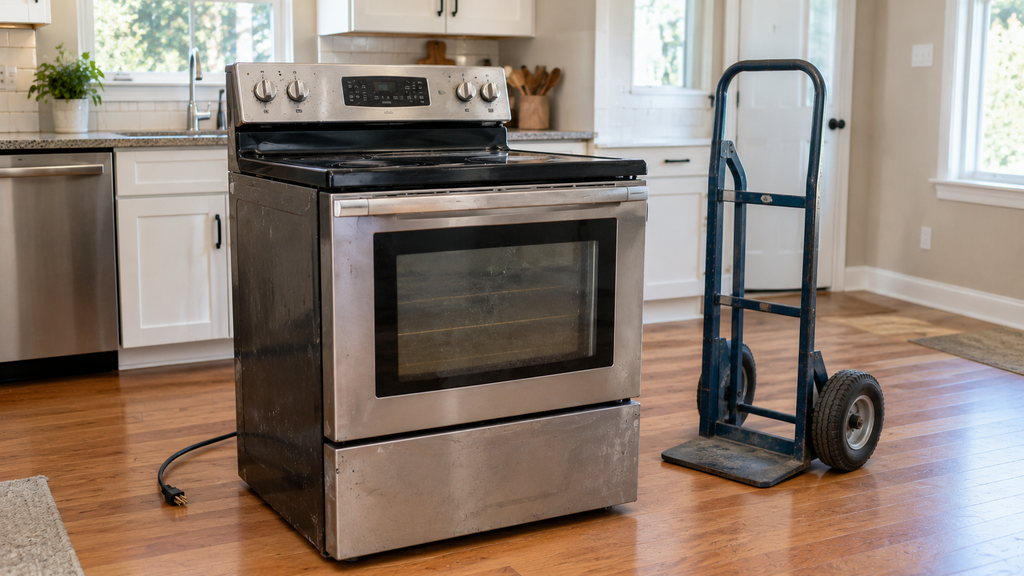
Step 6: Arrange safe transportation. Ovens can be heavy and awkward to move. Use appropriate lifting equipment or professional assistance, secure the appliance during transport, and follow the facility’s unloading instructions.
Avoid cutting into electrical components or removing internal parts simply to increase scrap value. The additional effort may not improve the final offer, and unsafe dismantling can create unnecessary hazards.
How Much Is an Old Oven Worth as Scrap?
One of the most common questions homeowners ask is how much money they can receive for an unwanted appliance. The answer depends on the oven’s weight, material composition, condition, and the recycling facility’s current purchasing rules.
An intact household oven may be evaluated differently from a sorted load of clean steel, separated copper, or other individually classified scrap materials. Some facilities accept complete appliances, while others have specific preparation or acceptance requirements.
What Affects the Value of an Oven?
Several factors can influence the amount a facility may offer:
- Metal type: Steel, iron, aluminum, and copper can have different market values.
- Total weight: Heavier appliances may contain more recoverable metal, although weight alone does not determine the offer.
- Material separation: Properly identified and accepted materials may be classified differently from mixed scrap.
- Contamination: Excessive grease, attached nonmetal materials, or other unwanted components may affect handling or acceptance.
- Market conditions: Scrap metal purchasing rates change with market demand and local operating conditions.
- Facility policies: Minimum quantities, accepted appliance types, preparation rules, and other requirements vary by recycler.
How Much Does Metal Recycling Pay?
The phrase how much does metal recycling pay is useful when researching potential earnings, but there is no universal rate for an old oven. The amount depends on the materials the facility actually purchases and the prices in effect when you bring them in.
For example, two ovens of similar size might receive different evaluations if one contains more recoverable metal or if the facilities classify the materials differently. A complete appliance may also be priced differently from sorted scrap.
The best approach is to describe your oven accurately, provide its approximate size or weight if known, and request an explanation of the facility’s current purchasing terms. Avoid relying on an online price estimate that does not identify the material grade or account for the appliance’s condition.
How to Compare Recycling Center Prices
When comparing recycling center prices, make sure you are comparing the same type of material and the same purchasing conditions. A published price for clean steel is not necessarily the rate that applies to a complete oven containing glass, insulation, plastic, and electrical components.
Ask each facility whether it accepts your particular oven, how it classifies the appliance, whether any preparation is required, and whether there are applicable fees or deductions. Confirm the final payment method and any minimum quantity requirements before arranging transportation.
You can explore All Metal Recycling’s website to learn more about its services and contact the business to confirm current acceptance requirements and applicable rates.
Where Can You Recycle an Oven in South Florida?
Choosing a convenient recycling destination can reduce the time and effort involved in removing an old appliance. If you are searching for an oven scrap metal recycling option near you, begin by checking facilities that handle household metal and ask whether they accept complete ovens.
All Metal Recycling is a resource to consider when exploring scrap metal recycling in South Florida. Before making a trip, confirm that your oven type is accepted and ask about current purchasing policies. This is particularly important if the appliance is built-in, unusually large, damaged, or designed for commercial use.
Depending on your location, you can explore these service areas:
- Scrap metal recycling in West Palm Beach, FL
- Scrap metal recycling in Greenacres, FL
- Scrap metal recycling in Boynton Beach, FL
These pages can help you explore the business’s regional service information. However, verify the specific oven acceptance policy and the most suitable drop-off arrangements directly with All Metal Recycling before travelling.
Is Oven Recycling Better Than Throwing an Oven Away?
For an appliance that is no longer usable, recycling can provide a route for recovering metal instead of disposing of the entire unit as ordinary waste. The environmental benefit depends on how the appliance is collected, processed, and separated.
The Florida Department of Environmental Protection’s recycling resources provide information about recycling programs and waste reduction in the state. Checking local guidance can help you identify appropriate disposal options for materials that a scrap facility does not accept.
There are also situations where recycling is not the first choice. If an oven remains safe, functional, and suitable for continued use, repair or reuse may be worth considering. If it is damaged beyond practical repair, a suitable recycling facility may be a more appropriate option than leaving it at the curb without confirming local collection rules.
Remember that oven recycling is different from refrigerator or air conditioner disposal. Those appliances may contain refrigerants that require specific handling. Do not apply refrigerator or air conditioner preparation instructions to an oven unless the particular appliance and its components call for them.
Common Mistakes to Avoid When Recycling an Oven
Avoiding a few common mistakes can make appliance disposal easier.
Assuming every facility accepts ovens: Confirm acceptance before loading or transporting the appliance.
Expecting payment based on the oven’s retail price: Scrap value is determined by recyclable materials and purchasing policies, not the original cost of the appliance.
Using the wrong price comparison: Make sure any quoted rate applies to the same material classification and condition.
Dismantling the oven without proper knowledge: Electrical connections, sharp edges, heavy parts, and gas connections can create safety risks.
Ignoring nonmetal components: Glass, insulation, plastics, and electronic parts may need different handling.
Travelling without confirming the details: Check operating arrangements, acceptance rules, and any relevant fees before leaving home.
A short phone call can help you understand what the facility accepts and what to expect before arriving.
Choose All Metal Recycling for Your Scrap Metal Recycling Needs
If you have an unwanted oven, the next step is to find out whether it can be accepted for metal recovery and what preparation is required. All Metal Recycling offers a starting point for exploring scrap metal recycling services in South Florida.
Rather than guessing what your oven is worth, contact the business to ask about appliance acceptance, material classification, current rates, and drop-off requirements. Providing accurate information about the oven’s type and condition can help you receive more relevant guidance.
Whether you are clearing a home, replacing an old kitchen range, or managing a renovation project, responsible recycling can help you deal with unwanted metal equipment more effectively.
Ready to explore your options? Visit All Metal Recycling to learn about its metal recycling services and confirm whether your old oven is accepted.
Frequently Asked Questions
1. Can I recycle an old oven?
Many conventional ovens contain recyclable steel and other metal components. Acceptance depends on the facility and the oven’s type, condition, and materials. Contact All Metal Recycling before bringing in your appliance to confirm its current requirements.
2. Can I get paid for an old oven?
Payment may be possible when a facility accepts the oven as scrap metal. The amount depends on material classification, weight, current purchasing rates, and facility policies. Contact All Metal Recycling for information about its current rates and acceptance requirements.
3. How much does an oven weigh for scrap purposes?
Weight varies according to the oven’s size, construction, and type. A compact electric oven, a full-size freestanding range, and a commercial cooking unit can have substantially different weights. If possible, provide the model or approximate dimensions when asking for an estimate.
4. Should I remove the copper wiring before recycling an oven?
Not necessarily. Removing wiring may not improve the final return, and dismantling an appliance can be hazardous. Ask All Metal Recycling whether it prefers complete appliances or separately sorted materials before attempting any disassembly.
5. Can I recycle a gas oven?
Some recycling facilities may accept gas ovens, but acceptance and preparation requirements vary. Arrange for a qualified professional to disconnect the gas supply safely, and confirm with the facility whether it accepts that appliance type.
6. How do I find a reliable oven recycling option near me?
Look for a recycling business that clearly explains its accepted materials, purchasing terms, and preparation requirements. If you are in South Florida, contact All Metal Recycling to ask whether your oven is accepted, what current rates apply, and how to arrange delivery.
Final Thoughts
An unwanted oven does not have to become an unnecessary disposal problem. By checking its material composition, arranging safe disconnection, comparing applicable purchasing terms, and confirming facility requirements, you can make a more informed decision about its next destination.
For South Florida residents and businesses, All Metal Recycling is a useful place to begin exploring scrap metal recycling options. Contact the business before transporting your appliance to confirm acceptance, preparation requirements, and current pricing.