
If you have old wire, appliances, plumbing fixtures, automotive parts, or leftover construction material, you may wonder what is the most valuable scrap metal? The answer depends on more than the name of the metal. Grade, purity, condition, quantity, preparation, and current market demand can all influence what a recycling center may pay.
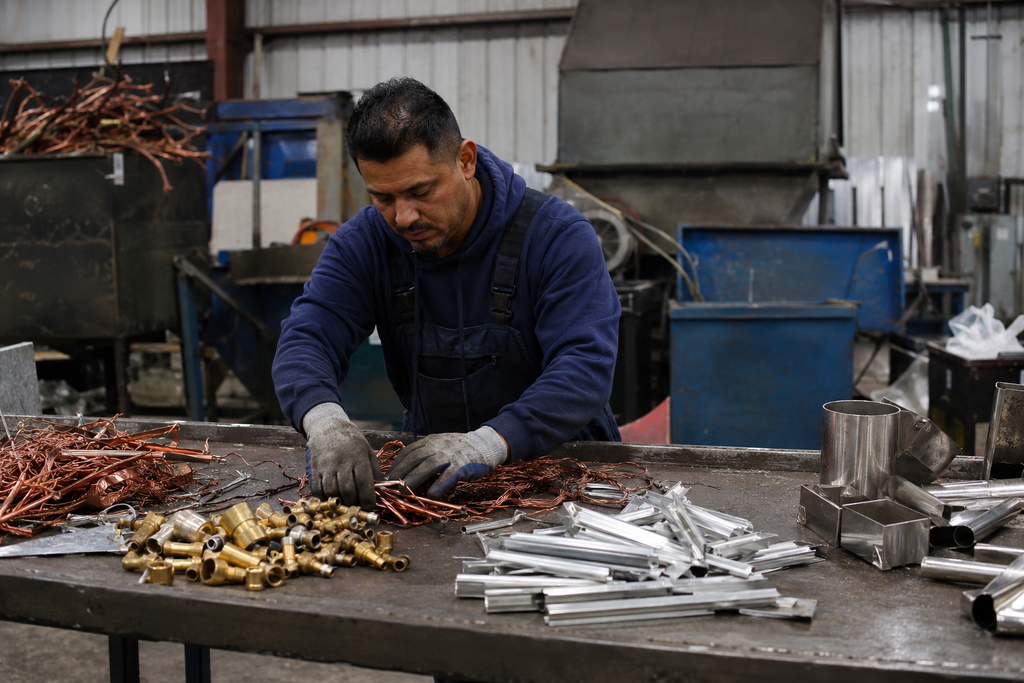
For everyday scrap recycling, copper is usually one of the most valuable common metals. Brass, aluminum, stainless steel, and other non-ferrous metals can also provide worthwhile returns. Precious metals can be worth much more per pound, but they are less common in ordinary household or commercial scrap.
Understanding how scrap is classified can help you separate your materials, avoid mixing higher-value metals with lower-value items, and make a more informed decision before visiting a recycling facility.
What Is the Most Valuable Scrap Metal?
When people ask what is the most valuable scrap metal, clean copper is often the practical answer for common scrap. Copper is widely used in electrical wiring, plumbing, motors, HVAC equipment, and industrial machinery, so it is relatively easy to find.
However, there is no permanent number-one metal for every situation. A specialty alloy or precious metal can have a higher market value than copper. The challenge is that these materials may require specialized handling and are often present in much smaller quantities.
For homeowners, contractors, and businesses, the useful approach is to identify valuable metals and separate them by type and grade.
Copper: A Top Common Scrap Metal
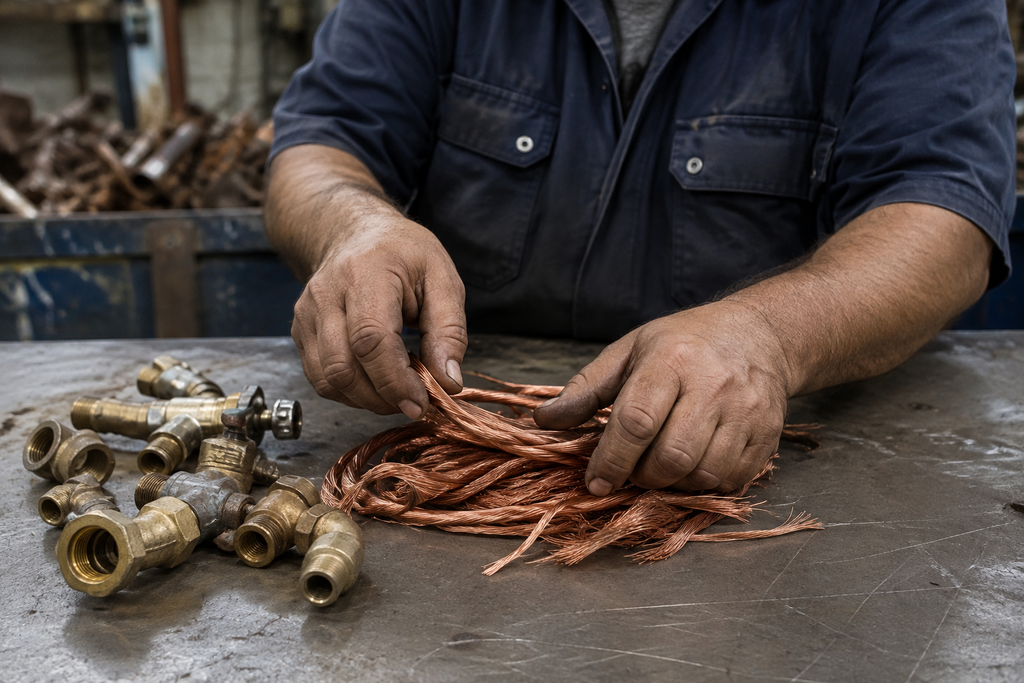
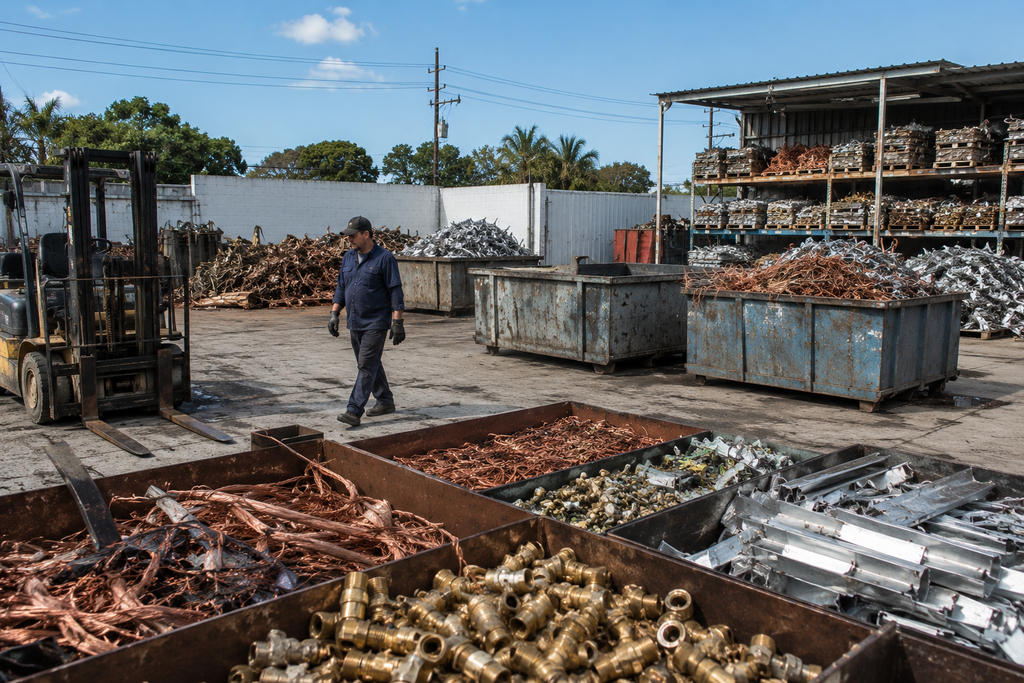
Copper is one of the most sought-after non-ferrous scrap metals. Clean copper wire, copper tubing, and relatively pure copper pieces are commonly separated because they are easier to process and can command better rates than mixed material.
Copper appears in electrical cables, plumbing systems, air-conditioning units, motors, transformers, and manufacturing equipment. Insulated wire can still be recyclable, but its value may differ from clean copper because insulation and other materials have to be processed.
If you are sorting a mixed load, keeping copper separate is usually worthwhile.
Brass: Another Valuable Non-Ferrous Metal
Brass is an alloy made primarily from copper and zinc. It is commonly found in faucets, valves, plumbing fittings, locks, hardware, decorative pieces, and industrial components.
Because brass contains copper, it can have meaningful scrap value. Yet different brass products may vary in composition, so a recycling facility determines the appropriate category before establishing a final payout.
Brass is easy to overlook because many pieces are small.
Aluminum: Valuable When You Have Volume
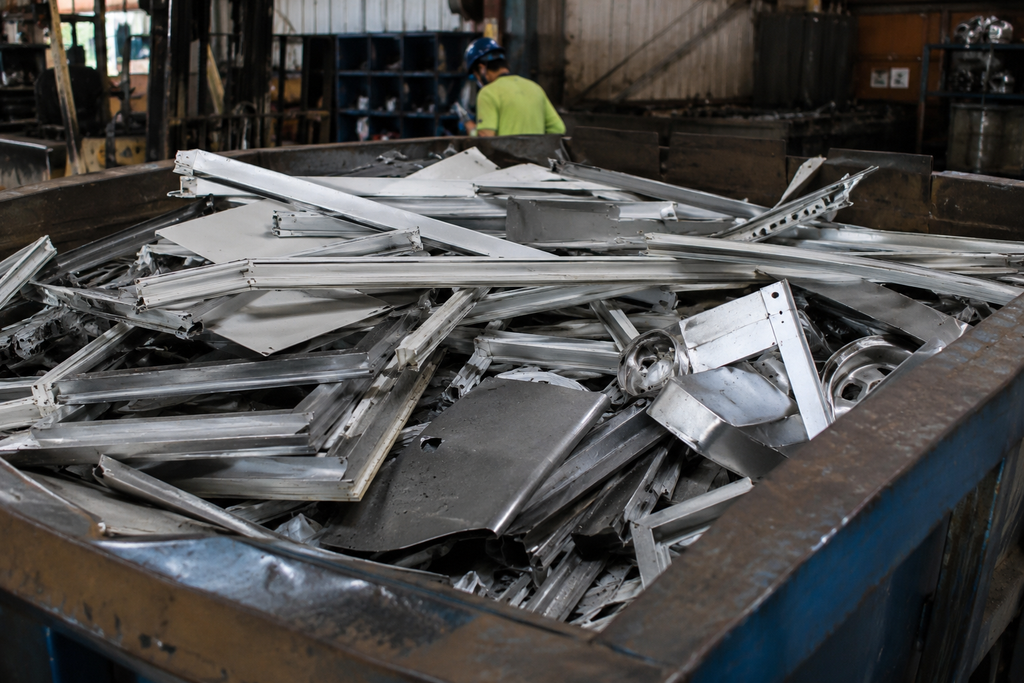
Aluminum generally sells for less per pound than clean copper, but its light weight and widespread availability make it an important recyclable metal. Large quantities can become worthwhile, especially when material is clean and properly sorted.
Aluminum can come from cans, window frames, siding, automotive components, wheels, appliances, and construction materials. Some aluminum items may contain attachments or other metals, so classification can differ.
The key is volume. A small amount may not produce a significant return, while a large, organized load can be much more worthwhile.
Stainless Steel: Grade Matters
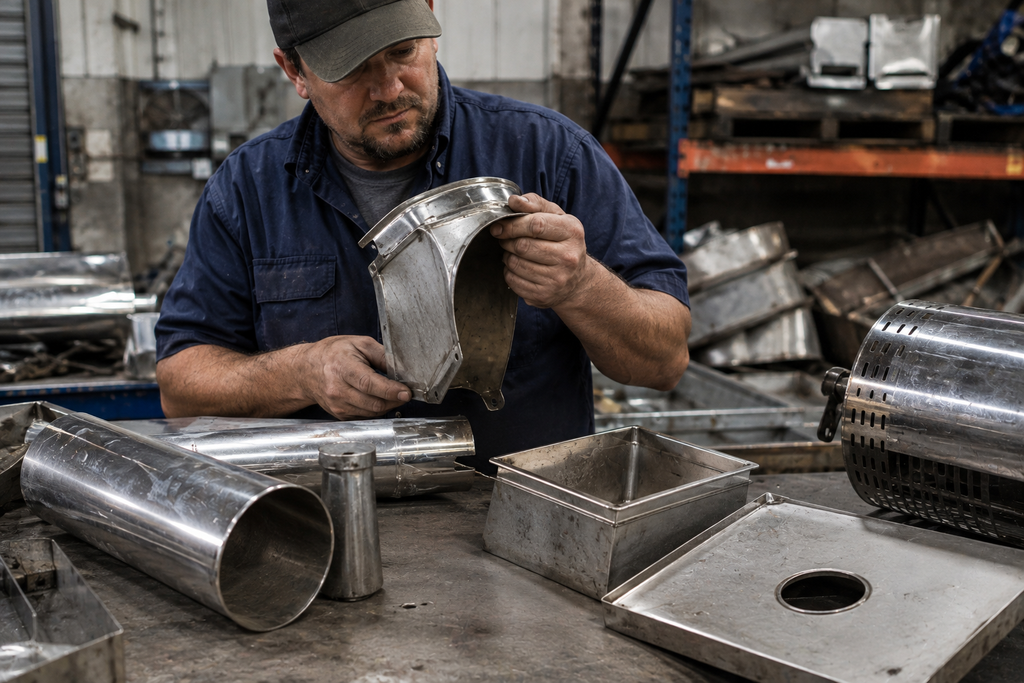
Stainless steel should not automatically be treated like ordinary steel. Its composition can include chromium, nickel, and other elements, and different grades can have different recycling values.
You may find stainless steel in restaurant equipment, sinks, kitchen appliances, industrial machinery, medical equipment, and commercial fixtures. Keeping it separate from ordinary steel helps the recycler identify the material correctly.
If you are unsure whether a component is stainless steel, aluminum, or another alloy, ask the recycling facility before sorting a large quantity. Correct identification can prevent valuable material from being placed into the wrong category.
Other Metals Worth Considering
Lead, zinc, nickel, and specialty alloys can also have recycling value. Their prices depend on composition, purity, demand, and the amount being sold. Some materials, particularly lead-containing products, require responsible handling because of environmental and health risks.
Precious metals such as gold, silver, platinum, and palladium can be extremely valuable. They may appear in electronics, specialized equipment, jewelry, and catalytic components. However, they are not usually found in large quantities in ordinary scrap loads and may require specialized recovery.
What Determines Scrap Metal Value?
Knowing what is the most valuable scrap metal is only the first step. The amount you receive depends on several factors.
Metal type is the most obvious factor. Non-ferrous metals generally have greater value than common ferrous metals such as steel and iron.
Grade and purity are also important. Clean, identifiable material is easier to process than metal contaminated with plastic, rubber, dirt, or other materials.
Condition can affect classification too. For example, clean copper and insulated copper wire are both recyclable, but they are not necessarily priced the same.
Quantity matters because a larger load can make transportation and handling more worthwhile. Finally, market conditions can change. Supply, demand, manufacturing activity, transportation expenses, and regional buying conditions can all influence scrap rates.
How Much Does Metal Recycling Pay?
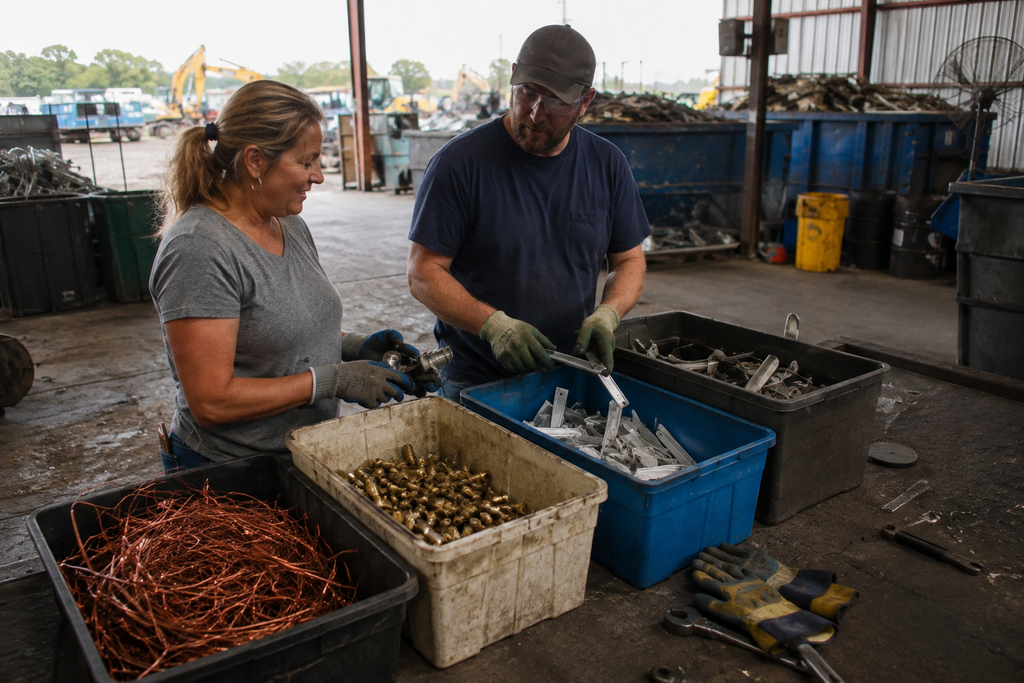
People often search how much does metal recycling pay because they want a specific number before making a trip. Unfortunately, there is no universal rate.
Copper, brass, aluminum, stainless steel, steel, and other materials can each have separate prices. Even one metal may have multiple grades with different rates.
Avoid relying on an old price list because scrap markets can change.
Current recycling center prices can also differ between locations because facilities have different buyers, processing costs, demand, and operating expenses. Contacting the facility before transporting a large load can save time before you visit and selling it.
How to Get Better Value From Your Scrap
You do not need complicated equipment to prepare most household or business scrap. A few simple steps can make the load easier to evaluate.
First, separate non-ferrous metals from ordinary steel. Next, keep copper, brass, aluminum, and stainless steel in separate groups when possible. Remove obvious non-metal attachments only when doing so is safe and practical.
Do not burn insulation or coatings to recover metal. Burning can create harmful fumes and may damage the material. Instead, ask the recycling facility how a particular item should be prepared.
Keep heavier loads organized and avoid mixing valuable materials with trash. Good sorting helps the recycler identify what you have and can reduce confusion during weighing.
Where to Recycle Valuable Scrap Metal
If you are located in South Florida, All Metal Recycling offers options for homeowners, contractors, businesses, and others who have recyclable materials.
You can visit All Metal Recycling to learn about available services. If you have general recyclable metals, the metal recycling service is a useful starting point.
Old electronics can contain recoverable metals and components, so electronic recycling may be more appropriate for certain devices.
Air-conditioning equipment can also contain recyclable metals. If you are replacing an old unit, air conditioning recycling can help you choose the appropriate recycling route.
If you have an unwanted vehicle, sell your junk car provides another option for handling a vehicle while recovering recyclable materials.
All Metal Recycling also serves customers in several South Florida communities. Depending on your location, you can explore scrap metal recycling in Miami, scrap metal recycling in West Palm Beach, or scrap metal recycling in Fort Lauderdale.
Is the Highest-Priced Metal Always the Best Choice?
A metal with a high price per pound may be available only in a tiny quantity. A lower-priced material such as aluminum can sometimes produce a better overall return when you have a large volume.
For example, a contractor may have hundreds of pounds of aluminum from a renovation but only a small amount of copper. The total value of the aluminum could still make the trip worthwhile.
This is why experienced recyclers consider price, quantity, grade, condition, and transportation together. The goal is not simply to find the highest theoretical price. It is to make the most of the materials you actually have.
Why Scrap Metal Recycling Matters
Scrap recycling provides more than a potential payout. Recovering metal keeps useful materials in circulation and reduces the amount of material sent to disposal facilities.
Recycling also allows manufacturers to use recovered metals as raw materials. Metals such as aluminum and copper can be recycled and returned to manufacturing processes, helping conserve resources.
The U.S. Environmental Protection Agency explains that recycling supports resource conservation and waste reduction.
Scrap metal recycling is important not only because it can provide value for unwanted materials, but also because recovered metals can remain in the manufacturing cycle instead of becoming waste. The U.S. Environmental Protection Agency’s recycling resources explain how recycling supports resource conservation and waste reduction. For additional industry information, the Recycled Materials Association provides resources about recycled commodities and the recycling industry. The U.S. Geological Survey’s mineral commodity information can also help readers understand the importance of metals and mineral resources in the wider economy. Together, these resources show why recovering materials such as copper, aluminum, brass, and steel can be an important part of responsible resource management.
Final Thoughts
So, what is the most valuable scrap metal? For common everyday scrap, clean copper is usually among the strongest-value materials, while brass, aluminum, stainless steel, and other non-ferrous metals can also be worthwhile. Specialty and precious metals may be considerably more valuable, but they are less common and may require specialized processing.
The smartest strategy is to identify your materials, separate different metals, keep them as clean as practical, and check current local rates before selling. If you have questions about a mixed load, All Metal Recycling can help you determine the appropriate recycling option.
Frequently Asked Questions
What is the most valuable scrap metal for everyday recycling?
Clean copper is often one of the most valuable commonly encountered scrap metals. Its exact value depends on grade, condition, quantity, and current market demand. All Metal Recycling can help you determine how your material should be handled.
How much does metal recycling pay?
There is no fixed amount. Rates vary by metal, grade, market conditions, and facility. Contact All Metal Recycling for information about your current material and available recycling options.
What affects recycling center prices?
Recycling center prices can change because of metal grade, purity, supply, demand, market conditions, and local processing costs. Checking current rates is better than relying on outdated online prices.
Should I separate copper from other scrap?
Yes. Separating copper from steel, aluminum, brass, and other materials makes classification easier and can help ensure that higher-value material is not mixed into a lower-value category.
Can I recycle metal from an old vehicle?
Yes. Vehicles contain substantial recyclable metal. If you have an unwanted vehicle, All Metal Recycling can provide information about the appropriate junk car recycling option.
Where can I recycle valuable scrap metal in South Florida?
All Metal Recycling serves South Florida customers with recycling options for different types of scrap and equipment. Contact the company to discuss your material and determine the appropriate service.