
Every day, millions of metal items reach the end of their useful lives. Instead of ending up in landfills, many of these materials can begin a second life through recycling. Understanding what is scrap metal helps homeowners, contractors, businesses, and manufacturers recognize the value hidden in old or unwanted metal products.
Scrap metal refers to any metal object or material that is no longer serving its original purpose but still retains value because it can be melted, processed, and manufactured into new products. Unlike ordinary waste, metals can often be recycled repeatedly without losing their strength or quality, making them one of the most sustainable materials in the world.
Whether it’s an old washing machine, damaged copper wiring, aluminum cans, steel beams, or a junk vehicle, these items can all contribute to a more sustainable future when recycled properly.
At All Metal Recycling, we help homeowners, businesses, contractors, and industrial facilities recycle various metal materials safely and efficiently while offering competitive prices for eligible scrap metals.
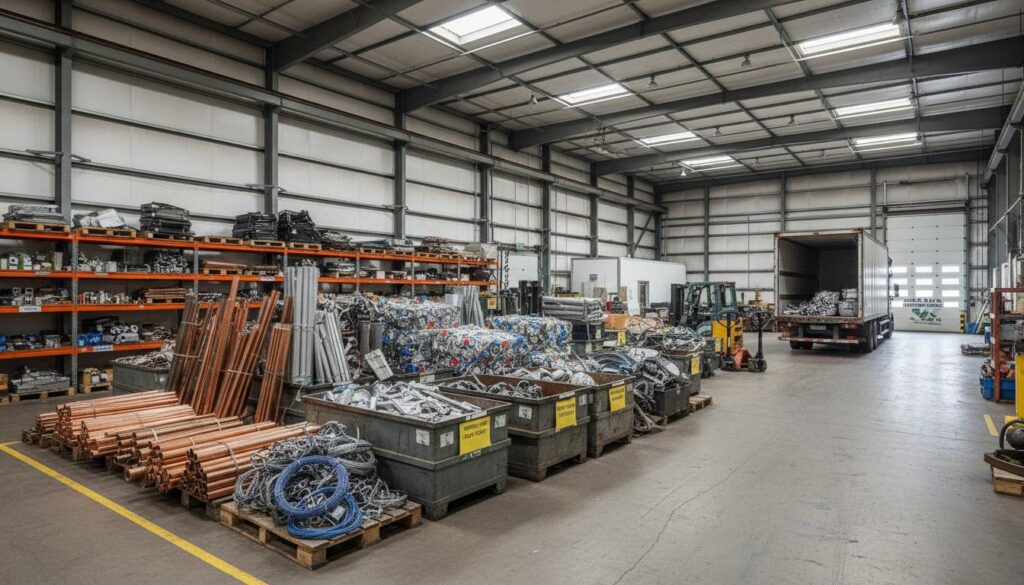
Why Understanding Scrap Metal Matters
Many people throw away valuable metal simply because they don’t realize it can be recycled. Learning what is considered scrap metal for recycling allows you to reduce waste, protect the environment, and even earn money from materials that might otherwise be discarded.
Scrap metal recycling benefits everyone by:
- Conserving natural resources
- Reducing landfill waste
- Saving manufacturing energy
- Supporting local recycling industries
- Lowering greenhouse gas emissions
- Returning valuable materials back into production
Instead of extracting new raw materials through mining, manufacturers can use recycled metals to produce vehicles, appliances, construction materials, packaging, and countless everyday products.
What Is Scrap Metal Made Of?
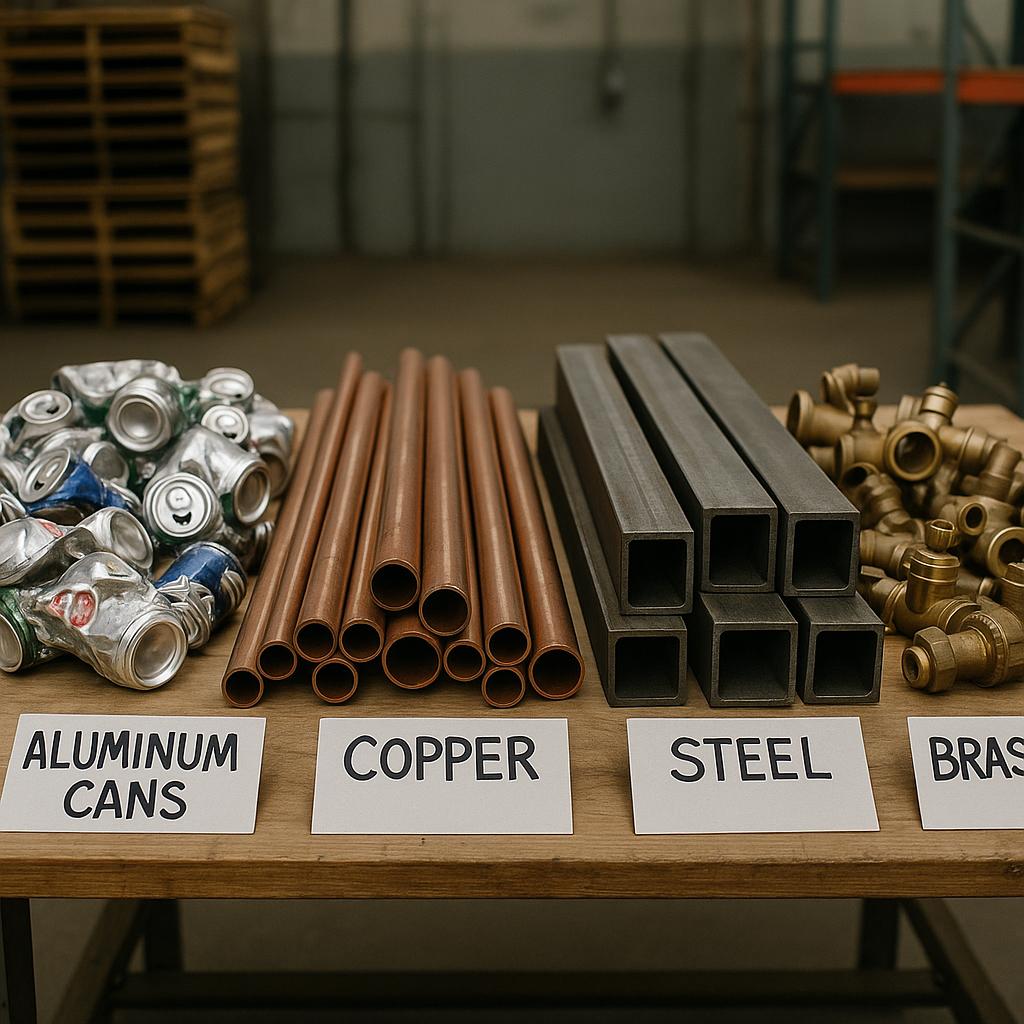
Scrap metal isn’t limited to one specific material. It includes many different metals used in homes, businesses, factories, and construction projects.
Common recyclable metals include:
- Steel
- Iron
- Copper
- Aluminum
- Brass
- Stainless steel
- Lead
- Zinc
- Nickel
- Tin
Each metal has its own recycling process and market value. Non-ferrous metals such as copper and aluminum are generally worth more because they are corrosion-resistant and widely used across multiple industries.
Where Does Scrap Metal Come From?
One of the biggest misconceptions is that scrap metal only comes from factories or demolition sites. In reality, recyclable metal is found almost everywhere.
Common sources include:
Household Items
Many everyday household products eventually become recyclable scrap metal.
Examples include:
- Washing machines
- Dryers
- Refrigerators
- Microwaves
- Metal furniture
- Bed frames
- Filing cabinets
- Aluminum cookware
- Bicycles
- Lawn equipment
Replacing older household items presents an excellent opportunity to recycle rather than send them to a landfill.

Construction Projects
Construction and renovation projects generate large quantities of reusable metal.
These materials often include:
- Steel beams
- Copper pipes
- Aluminum siding
- Roofing materials
- HVAC ductwork
- Metal framing
- Rebar
- Structural steel
Professional contractors frequently recycle these materials to reduce disposal costs while recovering additional value.
Automotive Industry
Vehicles contain hundreds of pounds of recyclable metal.
Some common examples include:
- Engines
- Wheels
- Radiators
- Brake rotors
- Exhaust systems
- Car batteries
- Aluminum components
- Steel frames
If you own an old or damaged vehicle, Sell Your Junk Car services from All Metal Recycling provide an environmentally responsible solution while helping you recover value from unwanted automobiles.
Commercial and Industrial Businesses
Businesses also generate significant amounts of recyclable metals through manufacturing, maintenance, equipment replacement, and warehouse operations.
Examples include:
- Industrial machinery
- Manufacturing equipment
- Electrical wiring
- Steel shelving
- Metal containers
- Production scraps
- Factory equipment
Proper recycling helps businesses reduce waste disposal expenses while supporting sustainability initiatives.
Is All Metal Considered Scrap Metal?
This is one of the most common questions people ask.
The answer is not necessarily.
Although many metal items qualify for recycling, their condition, contamination level, and material type all influence whether they are accepted by recycling facilities.
Generally, what is considered scrap metal for recycling includes metals that can be economically collected, sorted, cleaned, and processed into raw materials for manufacturing.
Items that contain hazardous substances or excessive contamination may require additional preparation before they can enter the recycling process.
In the next section, we’ll explain exactly which metals qualify, which ones have the highest value, and how professional recyclers separate different categories of recyclable materials.
Ferrous vs. Non-Ferrous Scrap Metal
One of the easiest ways to understand scrap metal is by dividing it into two main categories.
Ferrous Scrap Metal
Ferrous metals contain iron and are known for their strength and durability. These metals are commonly used in construction, manufacturing, heavy equipment, and automotive production.
Examples include:
- Cast iron
- Carbon steel
- Wrought iron
- Structural steel
- Heavy machinery
- Steel appliances
Although ferrous metals are generally less valuable per pound than non-ferrous metals, they make up the largest volume of recyclable scrap collected worldwide.
Non-Ferrous Scrap Metal
Non-ferrous metals do not contain significant amounts of iron, making them resistant to rust and corrosion.
These metals are widely used because they are lightweight, durable, and highly recyclable.
Examples include:
- Copper
- Aluminum
- Brass
- Lead
- Zinc
- Nickel
- Stainless steel
Because of their higher market demand, non-ferrous metals usually offer better recycling value.
Why Choose All Metal Recycling?
Choosing the right recycling company makes a significant difference in both convenience and value. At All Metal Recycling, we make the recycling process simple by accepting a wide variety of recyclable metals from residential, commercial, and industrial customers.
Whether you’re cleaning out your garage, replacing appliances, managing a construction project, or disposing of manufacturing scrap, our experienced team is ready to help you recycle responsibly.
If you’re looking for professional Metal Recycling Services, our team provides reliable recycling solutions designed to maximize recovery while minimizing environmental impact.
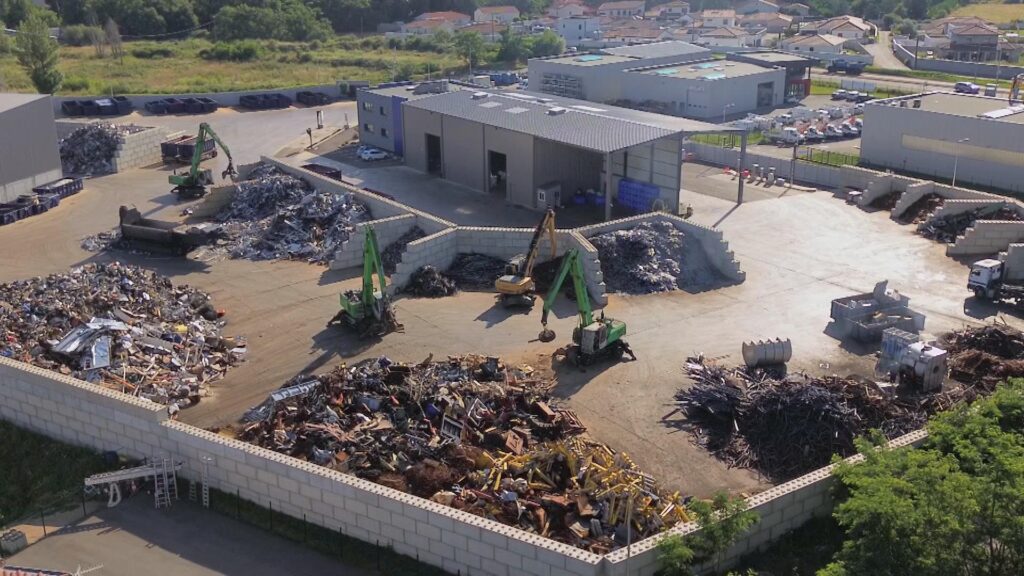
What Is Considered Scrap Metal for Recycling?
Many people assume that only large industrial equipment or construction materials qualify as scrap metal. In reality, a wide variety of everyday items can be recycled if they contain recoverable metal. Understanding what is considered scrap metal for recycling makes it easier to identify valuable materials around your home, business, or job site.
Generally, any metal item that is no longer useful but can be collected, sorted, and processed into raw material may qualify for recycling. The condition of the metal, the type of alloy, and whether it contains contaminants all affect its recyclability.
At All Metal Recycling, we accept many types of recyclable metals from residential, commercial, and industrial customers, helping keep valuable resources out of landfills.
Common Household Scrap Metal
You may be surprised by how much recyclable metal is already in your home. Household items are one of the largest sources of recyclable scrap metal, especially during renovations, upgrades, or seasonal cleanouts.
Examples include:
- Washing machines
- Clothes dryers
- Refrigerators
- Freezers
- Dishwashers
- Microwaves
- Ovens
- Metal shelving
- Filing cabinets
- Bed frames
- Aluminum patio furniture
- Ceiling fans
- Metal doors
- Window frames
- Bicycles
- Exercise equipment
- BBQ grills
- Garden tools
Instead of throwing these items away, recycling them helps recover valuable materials that can be reused in manufacturing.
Construction and Demolition Scrap
Construction projects generate significant amounts of recyclable metal. Whether you’re remodeling a home or managing a commercial building project, recycling metal debris reduces disposal costs while supporting sustainable construction practices.
Common construction scrap includes:
- Steel beams
- Structural steel
- Copper plumbing pipes
- Aluminum gutters
- Roofing panels
- Rebar
- Metal studs
- Steel fencing
- HVAC ductwork
- Metal flashing
- Sheet metal
- Aluminum framing
Contractors who recycle these materials not only help the environment but may also recover additional value from their projects.
If you’re working in South Florida, our Scrap Metal Recycling Miami location provides convenient recycling solutions for contractors and property owners.
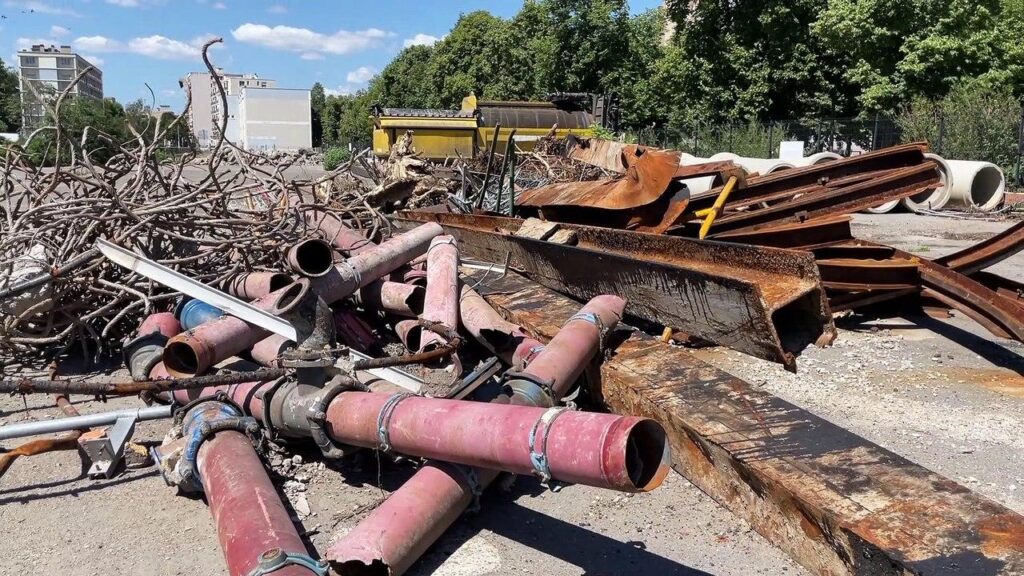
Industrial and Commercial Scrap Metal
Businesses generate recyclable metals every day through manufacturing, maintenance, equipment upgrades, and warehouse operations.
Some common examples include:
- Manufacturing offcuts
- Industrial machinery
- Steel racks
- Electrical panels
- Copper wiring
- Stainless steel tanks
- Conveyor systems
- Metal pallets
- Warehouse shelving
- Factory equipment
- Aluminum components
Recycling industrial scrap helps businesses reduce waste while supporting environmental sustainability and operational efficiency.
Electronic Waste Contains Valuable Metals
Many electronic devices contain small amounts of valuable recyclable metals such as copper, aluminum, steel, gold, and silver.
Common electronic scrap includes:
- Desktop computers
- Laptops
- Servers
- Printers
- Computer cables
- Network equipment
- Televisions
- Audio systems
- Mobile devices
- Power supplies
Proper electronic recycling prevents harmful materials from entering landfills while allowing valuable metals to be recovered safely.
If you have outdated electronics, explore our Electronic Recycling Services for responsible disposal and recycling solutions.
Air Conditioning Units Are Excellent Sources of Scrap Metal
Old HVAC systems contain several valuable recyclable metals, including copper tubing, aluminum coils, and steel components.
Typical recyclable air conditioning materials include:
- Copper refrigerant lines
- Aluminum evaporator coils
- Steel cabinets
- Compressors
- Condensers
- Metal fan assemblies
Rather than sending an old HVAC unit to a landfill, professional recycling ensures these valuable materials are recovered responsibly.
Learn more about our Air Conditioning Recycling Services if you’re replacing residential or commercial HVAC equipment.
Which Metals Have the Highest Recycling Value?
Not all scrap metals are worth the same amount. Market demand, purity, and global commodity prices influence the value of recyclable metals.
Some of the most valuable recyclable metals include:
Copper
Copper remains one of the most sought-after recyclable metals because of its excellent conductivity and widespread use in electrical systems.
It is commonly found in:
- Electrical wiring
- Plumbing pipes
- Electric motors
- Transformers
- Roofing materials
Aluminum
Lightweight, corrosion-resistant, and infinitely recyclable, aluminum is widely used in transportation, packaging, and construction.
Examples include:
- Beverage cans
- Window frames
- Gutters
- Wheels
- Patio furniture
- Siding
Brass
Brass is commonly used in plumbing fixtures and decorative hardware.
You’ll often find brass in:
- Faucets
- Valves
- Door handles
- Keys
- Pipe fittings
Stainless Steel
Stainless steel contains valuable alloys that make it highly resistant to corrosion.
Common sources include:
- Commercial kitchens
- Restaurant equipment
- Medical equipment
- Industrial machinery
- Appliances
Steel and Iron
Although generally less valuable per pound, steel and iron make up the largest volume of recyclable metals worldwide.
Examples include:
- Vehicles
- Structural beams
- Appliances
- Machinery
- Tools
- Construction materials
What Items Cannot Be Recycled Immediately?
Although most metals are recyclable, some materials require additional preparation before they can be accepted.
These may include:
- Metal contaminated with hazardous chemicals
- Sealed containers containing fuel or oil
- Pressurized cylinders
- Paint-filled metal cans
- Mixed materials that cannot be separated
- Radioactive materials
- Certain hazardous industrial waste
Before bringing unusual materials to a recycling facility, it’s always best to confirm acceptance requirements.
How Does the Scrap Metal Recycling Process Work?
After collection, recyclable metals go through several important stages before becoming new products.
Step 1: Collection
Scrap metal is gathered from homes, businesses, demolition projects, manufacturing facilities, and construction sites.
Step 2: Inspection and Sorting
Recyclable metals are sorted by type, grade, and quality. Advanced equipment such as magnets helps separate ferrous metals from non-ferrous metals.
Step 3: Processing
Large metal items are cut, crushed, baled, or shredded into smaller pieces for easier transportation and processing.
Step 4: Cleaning
Oil, paint, plastic, rubber, and other contaminants are removed to improve recycling efficiency and produce higher-quality recycled materials.
Step 5: Melting
Different metals are melted in specialized furnaces at temperatures appropriate for each metal type.
Step 6: Purification
Advanced refining processes remove impurities to produce clean recycled metal suitable for manufacturing.
Step 7: Manufacturing
The recycled metal is formed into new raw materials used to manufacture products such as:
- Vehicles
- Appliances
- Buildings
- Bridges
- Packaging
- Electrical equipment
- Household products
This circular process helps conserve natural resources while reducing energy consumption and environmental impact.
Why Proper Scrap Metal Recycling Matters
Choosing a professional recycling company ensures metals are handled responsibly and recycled according to environmental standards.
At All Metal Recycling, we provide dependable recycling solutions for homeowners, contractors, and businesses throughout South Florida. Whether you’re recycling household appliances, construction materials, industrial equipment, or unwanted vehicles, our experienced team makes the process simple, efficient, and environmentally responsible.
Customers in Palm Beach County can also visit our Scrap Metal Recycling West Palm Beach location for convenient service and expert assistance.
Key Takeaways
- Most metal items found in homes, businesses, construction sites, and industrial facilities can be recycled.
- Copper, aluminum, brass, stainless steel, steel, and iron are among the most commonly recycled metals.
- Electronics, HVAC systems, and old vehicles are valuable sources of recyclable metal.
- Professional recycling helps conserve natural resources, reduce landfill waste, and support a circular economy.
- Working with an experienced recycling company like All Metal Recycling ensures materials are processed safely and responsibly.
Benefits of Scrap Metal Recycling
Now that you understand what is scrap metal and what is considered scrap metal for recycling, it’s important to know why recycling these materials matters. Scrap metal recycling is about much more than clearing unwanted items—it helps conserve natural resources, supports local economies, and reduces environmental impact.
Whether you’re a homeowner replacing appliances or a contractor managing a construction site, recycling metal is a responsible choice that benefits everyone.
Conserves Natural Resources
Mining new metal requires significant amounts of energy, water, and raw materials. Recycling existing metals reduces the need for mining and preserves valuable natural resources for future generations.
Because metals such as aluminum, copper, and steel can be recycled repeatedly without losing quality, they remain valuable resources for manufacturers.
Saves Energy
Producing new metal from recycled materials generally requires much less energy than manufacturing from raw ore.
For example:
- Recycled aluminum uses significantly less energy than producing new aluminum from bauxite ore.
- Recycled steel reduces the need for large-scale mining and processing.
- Copper recycling helps lower energy consumption while maintaining excellent material quality.
Lower energy use also means reduced greenhouse gas emissions.
Reduces Landfill Waste
Large metal items take up valuable landfill space and can remain there for decades. Recycling keeps reusable materials in circulation and helps communities reduce unnecessary waste.
Instead of disposing of old appliances, construction materials, or unwanted vehicles, recycling gives these materials a second life.
Supports the Economy
The recycling industry creates jobs in transportation, processing, manufacturing, and environmental services. Every recycled metal product contributes to a circular economy where materials are reused instead of discarded.
Businesses that recycle scrap metal also reduce disposal costs while recovering value from unused materials.
Helps Protect the Environment
Recycling scrap metal helps:
- Reduce pollution
- Lower greenhouse gas emissions
- Minimize mining activities
- Preserve natural habitats
- Reduce energy consumption
- Promote sustainable manufacturing
Choosing to recycle today contributes to a cleaner environment for future generations.
Why Choose All Metal Recycling?
When looking for a reliable recycling partner, experience, transparency, and customer service matter. At All Metal Recycling, we’re committed to making scrap metal recycling simple, efficient, and rewarding for homeowners, businesses, contractors, and industrial clients throughout South Florida.
Here’s why customers choose us:
Wide Range of Accepted Metals
We accept many types of recyclable metals, including:
- Steel
- Iron
- Copper
- Aluminum
- Brass
- Stainless steel
- Household appliances
- HVAC units
- Electronic equipment
- Automotive scrap
Convenient Recycling Services
Whether you’re cleaning out your garage or managing a commercial demolition project, our team offers dependable recycling solutions tailored to your needs.
If you’re located in Palm Beach County, visit our Scrap Metal Recycling Boynton Beach location for fast and professional service.
Environmentally Responsible Practices
We follow responsible recycling practices that maximize material recovery while minimizing environmental impact.
Every load of recyclable metal processed at All Metal Recycling helps reduce landfill waste and supports sustainable manufacturing.
Friendly and Knowledgeable Team
Our experienced staff can help identify recyclable materials, answer your questions, and make the recycling process straightforward from start to finish.
Whether you’re recycling one appliance or managing large commercial volumes, we’re here to help.
Why Staying Informed About Scrap Metal Recycling Matters
Understanding what is scrap metal is essential for making smarter recycling decisions and protecting valuable natural resources. Knowing what is considered scrap metal for recycling helps homeowners, businesses, and contractors identify recyclable materials that can be reused instead of ending up in landfills. According to the U.S. Environmental Protection Agency, metal recycling plays an important role in conserving energy and reducing environmental impact. Industry standards and best practices are also supported by the Recycled Materials Association, which promotes responsible and sustainable recycling practices. By choosing All Metal Recycling, you can recycle your scrap metal confidently while contributing to a cleaner and more sustainable future.
Final Thoughts
Understanding what is scrap metal is the first step toward making smarter, more sustainable recycling decisions. Many everyday items—from old appliances and electronic devices to construction materials and junk vehicles—contain valuable metals that can be recycled instead of discarded.
Knowing what is considered scrap metal for recycling allows homeowners, contractors, and businesses to recover value while reducing waste and protecting the environment.
At All Metal Recycling, we’re proud to provide trusted recycling solutions across South Florida. Whether you’re recycling household metals, commercial scrap, HVAC equipment, electronics, or unwanted vehicles, our experienced team is ready to help you recycle responsibly and efficiently.
If you’re ready to turn unwanted metal into value, contact All Metal Recycling today and let us help you make recycling simple.
Frequently Asked Questions
1. What is scrap metal?
Scrap metal is any metal item that is no longer needed for its original purpose but can still be recycled and processed into new products. Common examples include steel, aluminum, copper, brass, stainless steel, appliances, and old vehicles.
2. What is considered scrap metal for recycling?
Most metal products can be recycled, including household appliances, construction materials, plumbing pipes, electrical wiring, aluminum cans, HVAC systems, automotive parts, and electronic devices. If you’re unsure whether an item qualifies, the team at All Metal Recycling can help.
3. Which scrap metals are worth the most?
Copper, brass, aluminum, and stainless steel are generally among the most valuable recyclable metals. Market prices change regularly based on supply and demand.
4. Can I recycle old appliances at All Metal Recycling?
Yes. All Metal Recycling accepts many household appliances, including washers, dryers, refrigerators, ovens, and other metal-containing equipment. Contact our team to learn about accepted items and preparation requirements.
5. Does All Metal Recycling accept electronic waste?
Yes. We offer electronic recycling services for many types of electronic devices, helping customers recycle responsibly while recovering valuable metals from outdated equipment.
6. Why should I choose All Metal Recycling?
All Metal Recycling offers professional service, responsible recycling practices, convenient South Florida locations, and recycling solutions for residential, commercial, and industrial customers. Our goal is to make recycling easy while helping customers maximize the value of their recyclable metals.
Conclusion
Scrap metal is far more than discarded material—it is a valuable resource that supports manufacturing, conserves natural resources, and protects the environment. By understanding what qualifies as recyclable scrap metal and choosing a trusted recycling partner, you can reduce waste while contributing to a more sustainable future.
Whether you’re recycling a few household items or managing large commercial projects, All Metal Recycling is here to provide reliable, environmentally responsible recycling services you can trust.