
An old car sitting in your driveway can quickly become more of a problem than an asset. Maybe the engine no longer starts, the repair costs are too high, or the vehicle has been damaged in an accident. Whatever the reason, keeping an unwanted car takes up valuable space and may leave you wondering what to do with it.
One practical solution is to recycle the vehicle through a professional car recycling facility. Instead of letting an unused vehicle deteriorate, you can turn its recoverable materials into value while helping reduce unnecessary waste.
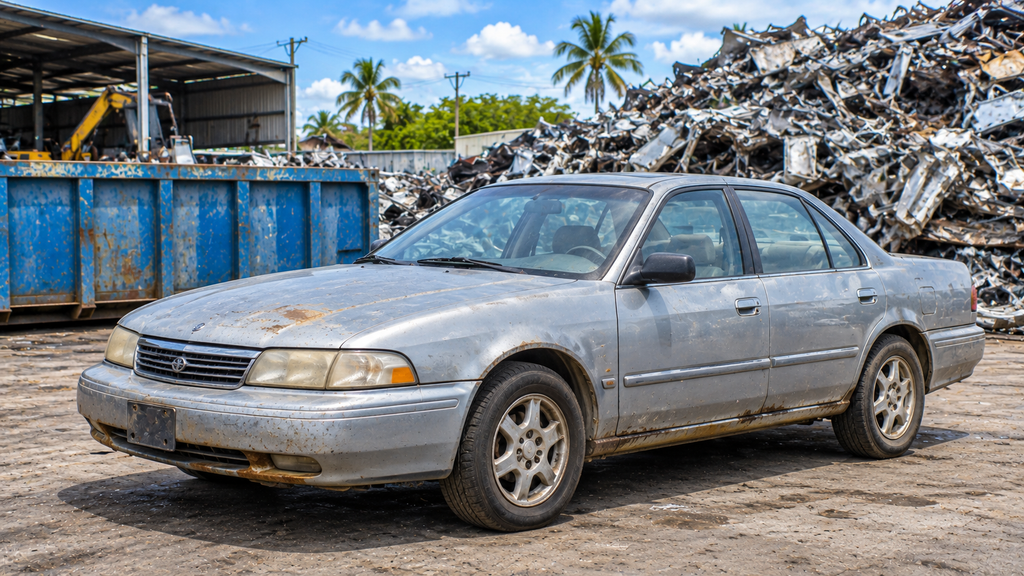
If you are researching How to Scrap a Car, understanding the process beforehand can help you avoid common mistakes, prepare the necessary paperwork, and get a reasonable offer for your vehicle. This guide explains how car scrapping works, what affects its value, and how All Metal Recycling helps vehicle owners across South Florida.
1. Understand What Happens When a Car Is Scrapped
Scrapping a car does not simply mean crushing an unwanted vehicle. Professional automotive recycling involves identifying reusable components, recovering valuable metals, and handling materials that require special attention.
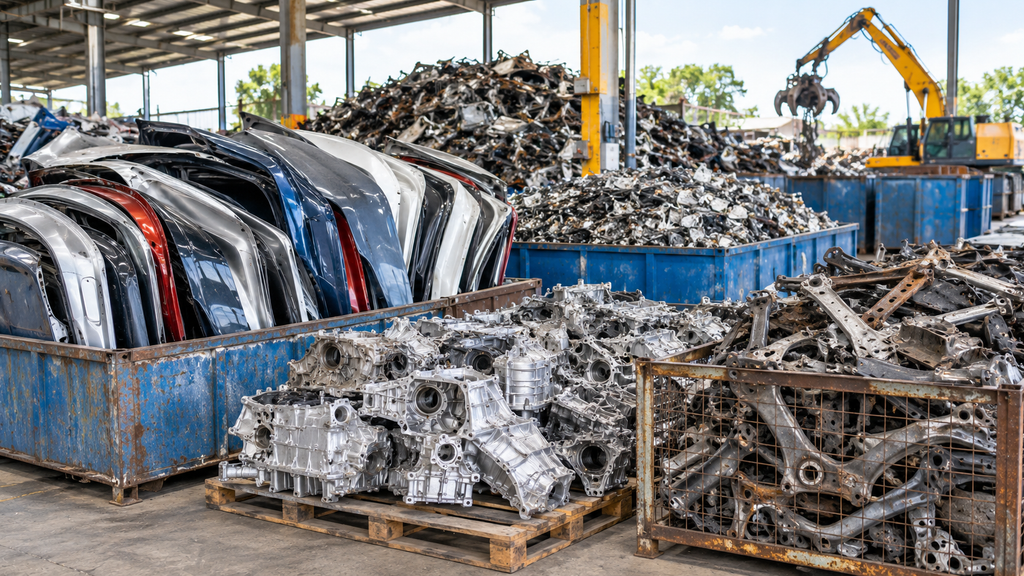
A typical vehicle contains steel, aluminum, copper, rubber, glass, plastics, and various automotive fluids. Depending on its condition, certain components may be suitable for reuse, while other materials can enter appropriate recycling streams.
For example:
- Steel: Found in the vehicle frame, body panels, doors, and structural components.
- Aluminum: Commonly used in wheels, engine components, and selected body parts.
- Copper: Present in electrical wiring, motors, and electronic components.
- Brass: Found in certain fittings and smaller automotive components.
- Lead: Commonly associated with conventional lead-acid vehicle batteries.
The actual recycling process depends on the vehicle, its condition, and the facility’s capabilities. Proper material separation helps recover useful resources instead of sending everything to disposal.
2. Check Your Car’s Condition Before Scrapping It
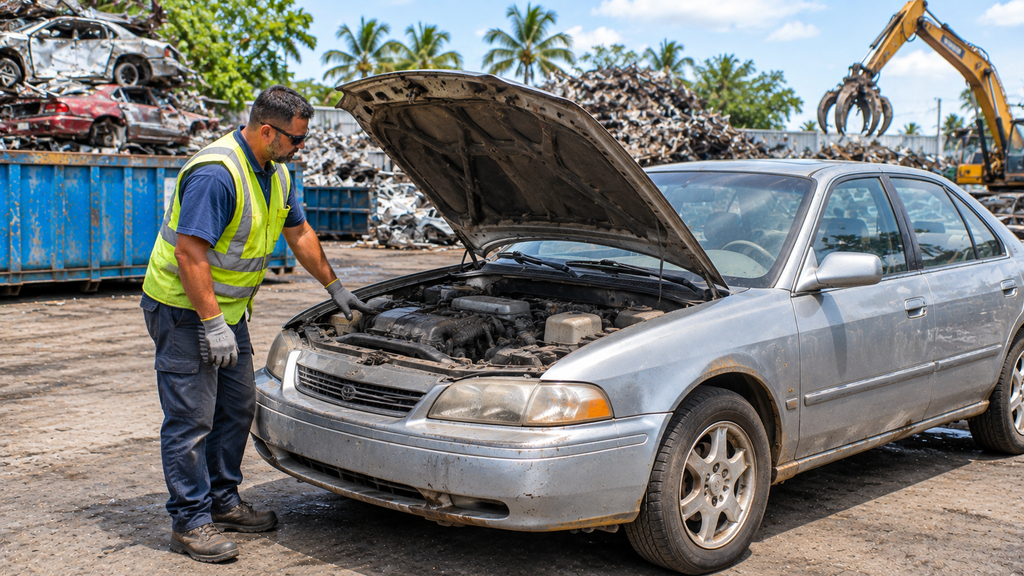
Before requesting a quote, take a few minutes to understand the condition of your vehicle. A car does not have to be running or roadworthy to have potential scrap or recycling value.
Consider these common situations:
Non-running vehicles: Cars with engine failure, transmission problems, or electrical issues may still contain recoverable metal and other components.
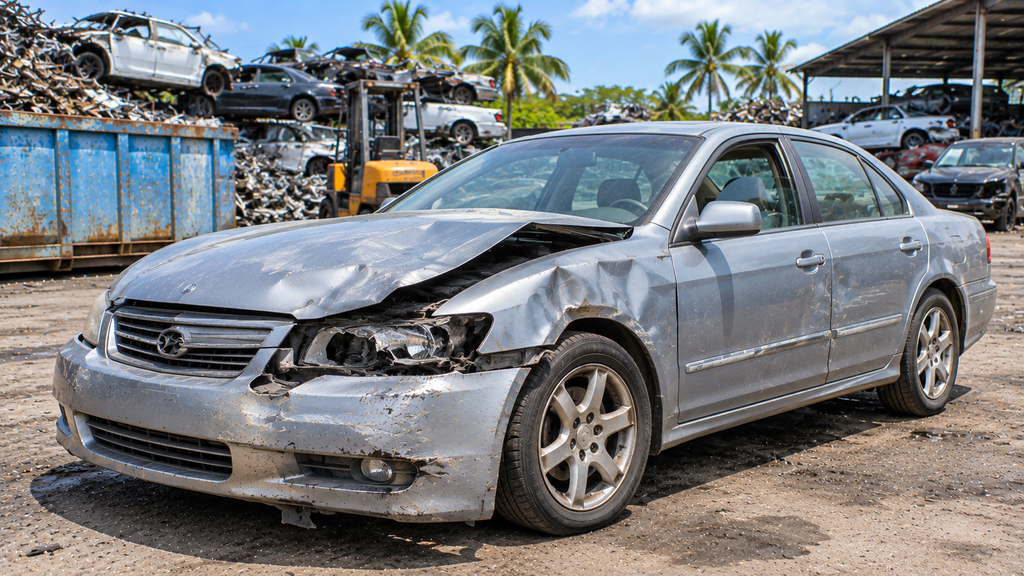
Accident-damaged cars: A vehicle with collision damage, a damaged exterior, or significant mechanical problems may still be suitable for automotive recycling.
Old and high-mileage cars: Older vehicles that are no longer economical to repair can be candidates for scrap recycling.
Flood-damaged vehicles: Water-damaged cars may have substantial electrical and mechanical problems. Their condition should be clearly disclosed when requesting an offer.
Incomplete vehicles: Missing parts can affect the vehicle’s overall value, so explain what is no longer attached before arranging removal.
Being honest about the vehicle’s condition helps a recycling company provide a more accurate estimate and avoid misunderstandings during pickup.
3. Gather the Necessary Documents
Paperwork is an important part of selling an unwanted vehicle. In Florida, ownership documentation helps establish that the person transferring the vehicle has the legal authority to do so.
Before arranging a transaction, gather:
- Your vehicle’s certificate of title, if available.
- A valid government-issued identification.
- Vehicle information, including make, model, and year.
- Any relevant lien-release documentation, if applicable.
Florida has specific procedures for vehicles transferred to licensed salvage motor vehicle dealers and secondary metals recyclers. The required paperwork can depend on the vehicle’s title status and circumstances.
If you cannot locate your title, do not assume you can automatically sell the vehicle without it. Contact the recycling facility and ask what ownership documentation is acceptable for your situation.
You can review the official Florida Highway Safety and Motor Vehicles selling guidelines before completing the transaction.
Another important step is removing your license plate before the vehicle leaves your possession. Florida generally allows the plate to be transferred to another vehicle. Check the state’s instructions for any registration or insurance steps that apply to you.
4. Remove Personal Belongings and Prepare the Vehicle
Once you decide to recycle your vehicle, prepare it for a smooth handover. This does not mean dismantling the car yourself. A few simple checks can save time and prevent personal belongings from being lost.
Follow these steps:
Check the glove compartment: Remove insurance paperwork, registration documents, receipts, and other personal records.
Inspect the trunk: Look for spare tools, emergency equipment, shopping bags, and personal belongings.
Remove electronic devices: Take out removable phone chargers, GPS devices, dash cameras, and accessories.
Check storage areas: Look beneath seats, inside door pockets, and around the center console.
Take photographs: Keep a few pictures of the vehicle’s condition before it is collected.
Do not attempt to drain gasoline, remove the battery, disconnect airbags, or dismantle automotive components without proper training and equipment.
A professional recycling facility should manage hazardous materials through appropriate procedures. The U.S. Environmental Protection Agency identifies vehicle fluids, batteries, tires, fuel tanks, airbags, and other components as materials requiring appropriate management during vehicle recycling.
5. Understand What Determines Your Scrap Car’s Value
One of the biggest questions vehicle owners ask is how much money they can receive for an unwanted car.
There is no single price that applies to every vehicle. Its value depends on several factors, including metal content, vehicle weight, condition, completeness, reusable components, and current market demand.
Here are some of the main considerations:
Vehicle weight: Heavier vehicles may contain more recoverable metal, although weight alone does not determine the final offer.
Metal composition: Different metals have different market values. Copper and certain aluminum components generally have different recycling values from ordinary steel.
Vehicle condition: A complete vehicle may have a different value from one with major components already removed.
Current market demand: Scrap metal markets change over time, which can influence the rates offered by recycling facilities.
Location and transportation: Pickup arrangements and vehicle accessibility may also influence the overall transaction.
If you are researching how much does metal recycling pay, remember that scrap car payments are not calculated using one universal rate. A vehicle-specific assessment is more useful than relying on a general online price.
What Should You Know About Recycling Center Prices?
People often search for recycling center prices before contacting a facility. However, published metal prices do not necessarily represent the amount a recycling center will offer for an entire vehicle.
A complete vehicle contains several different materials, and its condition determines what can actually be recovered. Processing requirements, market conditions, and transportation arrangements can also influence the offer.
For a more accurate estimate, provide the vehicle’s make, model, year, location, and current condition. Ask whether the quote includes removal and whether any additional charges apply.
6. Contact a Professional Car Recycling Facility
After preparing your vehicle and gathering the relevant information, the next step is contacting a recycling company.
Choosing an established local business can make the process more straightforward because you can discuss the vehicle directly, clarify paperwork requirements, and understand how removal works.
All Metal Recycling provides junk car purchasing and recycling services in Lake Worth, Florida, and serves customers throughout Palm Beach County and surrounding South Florida communities.
The company buys vehicles in various conditions, including unwanted, non-running, accident-damaged, and collision-damaged cars.
If you are ready to move forward, explore the sell your junk car for cash service to learn more about getting an offer and arranging vehicle removal.
When requesting information, have these details ready:
- Vehicle make and model.
- Manufacturing year.
- Current running condition.
- Any accident or collision damage.
- Your vehicle’s location.
- Whether the vehicle is complete or missing major components.
Providing accurate information makes it easier to discuss the next steps and obtain a vehicle-specific quote.
7. Arrange Vehicle Pickup and Complete the Transaction
Once you have received an offer and agreed on the arrangements, confirm the pickup details with the recycling facility.
Before the vehicle is collected, make sure:
- The agreed price and payment arrangements are clear.
- You understand whether towing or pickup is included.
- The required ownership documents are ready.
- Your personal belongings have been removed.
- The license plate has been removed.
- The vehicle can be accessed safely by the pickup vehicle.
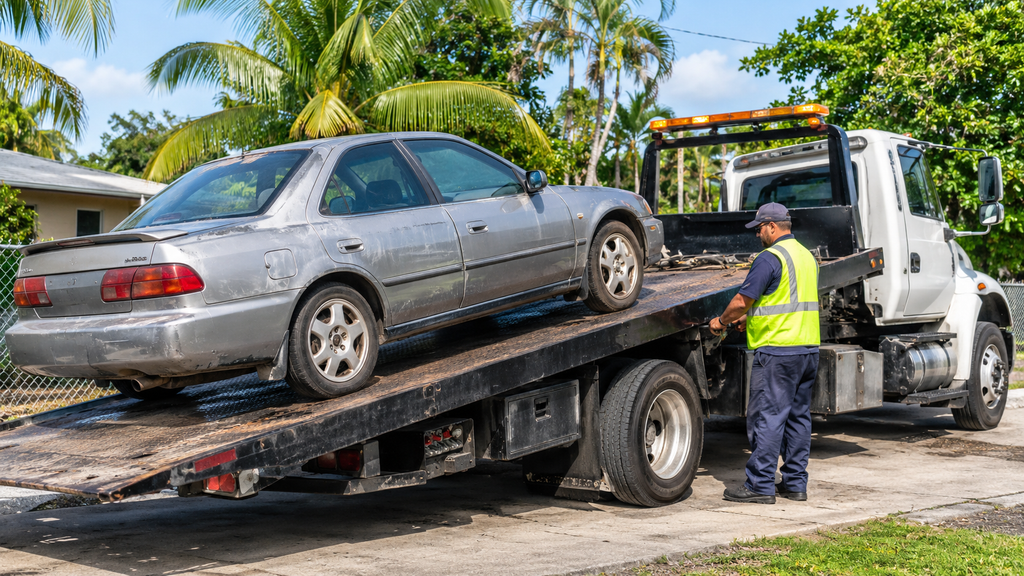
All Metal Recycling advertises free vehicle pickup and cash payments for qualifying junk car transactions. Confirm the details of your particular vehicle and payment arrangements directly with the company before scheduling collection.
A clear agreement helps prevent confusion and makes the handover easier for everyone involved.
8. Why Responsible Car Recycling Matters
An unwanted vehicle contains materials that can remain useful long after the car stops operating.
Recycling helps recover steel, aluminum, copper, and other materials that can be processed for future manufacturing. It also creates opportunities to reuse suitable automotive components rather than treating every part as waste.
However, environmental responsibility involves more than recovering metal. Batteries, fuel, oil, coolant, refrigerants, and other potentially harmful materials must be handled appropriately.
The EPA explains that vehicle recycling requires the proper management of automotive fluids and components before the remaining vehicle body is processed.
By choosing a professional recycling facility, vehicle owners can take a more responsible approach to disposing of vehicles they no longer need.
9. Sell Your Unwanted Car with All Metal Recycling in South Florida
If your vehicle is taking up space and you are ready to get rid of it, All Metal Recycling offers a convenient way to explore your car recycling options.
The company serves vehicle owners in Lake Worth and surrounding areas, including West Palm Beach, Boynton Beach, Fort Lauderdale, and other South Florida communities.
Whether you have an old vehicle, a non-running car, or one that has been damaged in an accident, you can contact the team to discuss its condition and request a quote.
All Metal Recycling also offers broader metal recycling services for customers looking to recycle recoverable metal materials.
For local service information, visit the company’s pages for scrap metal recycling in West Palm Beach and scrap metal recycling in Boynton Beach.
Do not let an unwanted vehicle continue taking up valuable space. Contact All Metal Recycling at 561-420-1111 to discuss your vehicle, understand the available options, and take the next step toward responsible car recycling.
Frequently Asked Questions About Car Scrapping
1. How do I scrap a car in Florida?
Start by contacting a professional recycling facility, providing your vehicle details, and confirming the required ownership documents. Florida has specific title-transfer procedures for vehicles sold to licensed salvage motor vehicle dealers and secondary metals recyclers. All Metal Recycling can help you discuss the next steps for your vehicle.
2. Can I scrap a car that does not run?
Yes. Non-running vehicles may still have recoverable metal and recyclable components. All Metal Recycling purchases vehicles in various conditions, including cars that no longer operate. Contact the team with your vehicle information to request a quote.
3. How much money can I get for scrapping my car?
The amount depends on the vehicle’s weight, metal composition, condition, completeness, and current scrap market conditions. All Metal Recycling can assess your vehicle details and discuss a quote based on its condition.
4. Does All Metal Recycling buy accident-damaged cars?
Yes. All Metal Recycling purchases accident-damaged, hit, and collision-damaged vehicles. You can provide photographs and details about the damage to help the team evaluate your vehicle.
5. Does All Metal Recycling offer free junk car pickup?
All Metal Recycling advertises free pickup for junk car transactions. Contact the company at 561-420-1111 to confirm availability and arrangements for your vehicle’s location.
6. What information do I need to sell my junk car?
You should have your vehicle’s make, model, year, condition, and location ready. Ownership documentation and identification may also be required. All Metal Recycling can explain the applicable requirements before arranging your transaction.
Final Thoughts
Scrapping an unwanted vehicle does not have to be complicated. By understanding the vehicle’s condition, preparing the necessary paperwork, and choosing a professional recycling facility, you can make a more informed decision.
Whether your car is old, damaged, or no longer worth repairing, All Metal Recycling is ready to help you explore your recycling options in South Florida. Contact the team today to discuss your vehicle and request a quote.