
Scrap metal recycling continues to play a major role in supporting sustainable practices while providing individuals and businesses with an opportunity to earn money from unwanted materials. Whether you’re cleaning out a garage, replacing an HVAC system, renovating a property, or disposing of industrial waste, understanding how much is scrap metal per pound can help you maximize your returns.
The value of scrap metal changes frequently based on market conditions, global demand, material quality, and location. Some metals, such as copper and brass, tend to maintain higher values due to their industrial demand, while steel and iron generally sell at lower rates because of their abundance. Staying informed about scrap metal prices per pound allows sellers to make better decisions about when and where to recycle.
This guide explores current market trends, average pricing, factors affecting metal values, and practical tips for getting the best possible payout. Whether you’re a homeowner, contractor, or business owner, understanding how much is scrap metal worth can help you recycle more efficiently while contributing to environmental sustainability.
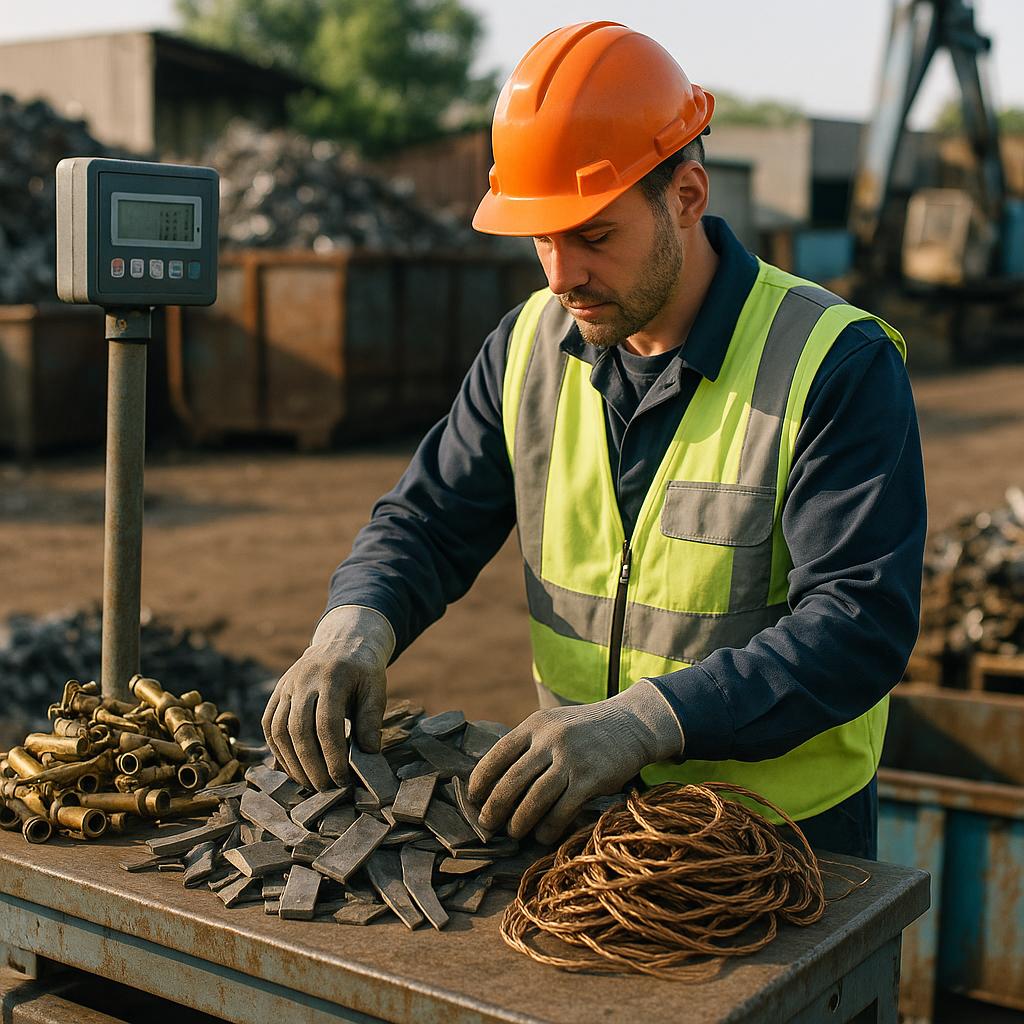
What Determines How Much Scrap Metal Is Worth Per Pound?
Several factors influence the amount recyclers pay for metal. Knowing these variables can help you understand why prices fluctuate and why two recycling facilities may offer different rates for the same material.
Supply and Demand
Like any commodity, scrap metal pricing is heavily influenced by supply and demand. Increased manufacturing activity, infrastructure projects, and industrial production often create greater demand for recyclable metals. As demand rises, prices generally increase.
Economic slowdowns, reduced construction activity, or disruptions in manufacturing can have the opposite effect and lead to lower prices. Monitoring industry trends can provide valuable insights into the best times to sell recyclable materials.
Global Commodity Markets
Metal pricing is tied closely to international commodity exchanges. Changes in global trade, tariffs, energy costs, and manufacturing demand can all influence current scrap metal prices.
Countries with strong industrial sectors consume significant quantities of recycled metal. When international demand increases, local recycling centers may adjust their pricing to reflect market conditions.
Metal Type and Purity
Not all scrap metals have the same value. Some metals command premium prices because they are more difficult to source or are widely used in manufacturing.
Higher-value metals include:
- Copper
- Brass
- Aluminum
- Lead
- Stainless steel
Clean and uncontaminated metals are also more valuable. Scrap yards often pay premium rates for separated materials because they require less processing before resale.
For example, bare bright copper typically generates much higher returns than insulated wire containing plastic coatings.
Regional Pricing Differences
Location also plays an important role in determining pricing.
Areas with high industrial demand or greater recycling activity may offer better rates than regions with limited processing facilities. Transportation costs, labor expenses, and local market competition can all affect the scrap metal value per pound.
Residents throughout South Florida can access convenient recycling solutions through our metal recycling services, which help businesses and homeowners recycle materials efficiently.
Quantity Being Sold
Many recycling facilities offer better rates for larger quantities.
Commercial contractors, construction companies, and manufacturers often receive higher payouts because bulk loads reduce handling and transportation costs for recyclers.
Homeowners can also improve profitability by accumulating larger amounts of recyclable material before selling.
Current Scrap Metal Prices Per Pound in 2026
One of the most common questions people ask is, how much is scrap metal per pound today?
Although pricing changes regularly, the following ranges provide a general overview of average market values in 2026.
| Metal Type | Average Price Per Pound |
|---|---|
| Copper | $3.50 – $4.80 |
| Brass | $1.80 – $3.20 |
| Aluminum | $0.40 – $1.20 |
| Stainless Steel | $0.30 – $0.80 |
| Lead | $0.50 – $1.10 |
| Zinc | $0.70 – $1.40 |
| Steel | $0.05 – $0.20 |
| Iron | $0.04 – $0.12 |
These values are estimates only and may vary depending on market conditions, region, and material quality.
Before visiting a recycling center, it’s always advisable to check local rates for the most accurate pricing information.
How Much Is Copper Scrap Per Pound?
Copper remains one of the most sought-after recyclable metals due to its widespread use in electrical systems, construction, telecommunications, and renewable energy applications.
Because of strong industrial demand, copper consistently delivers some of the highest returns in the recycling industry.
Bare Bright Copper
Bare bright copper is considered one of the most valuable categories because it contains clean, uncoated copper wire free from insulation or contaminants.
Average value:
$4.00–$4.80 per pound
#1 Copper
This category includes clean copper tubing, pipes, and wire with minimal oxidation.
Average pricing:
$3.70–$4.40 per pound
#2 Copper
Average price:
$3.20–$3.90 per pound
Insulated Copper Wire
Copper containing solder, paint, or minor contamination typically falls into this category.
Insulated wiring is common in residential and commercial buildings.
Its value depends largely on copper recovery percentages.
Average pricing:
$1.50–$3.00 per pound
Air conditioning systems often contain valuable copper tubing and wiring. Recycling outdated HVAC equipment can therefore provide significant financial benefits.
If you’re replacing old cooling systems, consider utilizing our air conditioning recycling services to recover valuable materials responsibly.
How Much Is Aluminum Scrap Worth?
Aluminum is another highly recyclable metal that offers excellent environmental benefits.
Unlike many materials, aluminum can be recycled repeatedly without losing its structural properties.
Because of its lightweight nature and corrosion resistance, aluminum is widely used in automotive manufacturing, beverage packaging, aerospace applications, and construction.
Aluminum Cans
Aluminum beverage containers remain among the most commonly recycled household materials.
Average value:
$0.40–$0.65 per pound
Extruded Aluminum
Extrusions are commonly found in doors, window frames, and construction materials.
Average pricing:
$0.80–$1.20 per pound
Cast Aluminum
Cast aluminum is frequently used in engine components and machinery parts.
Average pricing:
$0.45–$0.90 per pound
Aluminum Wheels
Vehicle wheels made from aluminum alloys often generate higher payouts.
Average pricing:
$0.75–$1.15 per pound
Aluminum recycling helps reduce mining activity, conserve energy, and decrease carbon emissions, making it one of the most sustainable materials available.
Steel Scrap Prices Per Pound
Steel remains the most widely recycled material globally. While its abundance generally keeps prices lower than copper or brass, large quantities can still produce meaningful returns.
Common categories include:
Heavy Steel
Average value:
$0.10–$0.20 per pound
Light Iron
Average value:
$0.05–$0.12 per pound
Appliances
Old refrigerators, washers, dryers, and stoves contain recoverable steel that can be recycled.
Average pricing:
$0.06–$0.15 per pound
Structural Steel
Construction beams, supports, and framing materials can also be recycled effectively.
Average pricing:
$0.08–$0.18 per pound
Vehicles represent another significant source of recyclable steel. Older cars often contain thousands of pounds of reusable metal.
Our junk car recycling services provide a convenient solution for turning unwanted vehicles into cash while supporting sustainable recycling practices.
Brass Scrap Value Per Pound
Brass is another high-value non-ferrous metal commonly accepted at recycling facilities. It is made primarily from copper and zinc, which contributes to its strong market demand and relatively high resale value.
Brass can be found in:
- Plumbing fixtures
- Valves
- Faucets
- Decorative hardware
- Ammunition casings
- Industrial fittings
Because brass contains copper, its price often follows copper market trends.
Yellow Brass
Yellow brass is widely used in household plumbing and decorative applications.
Average value:
$1.80–$2.70 per pound
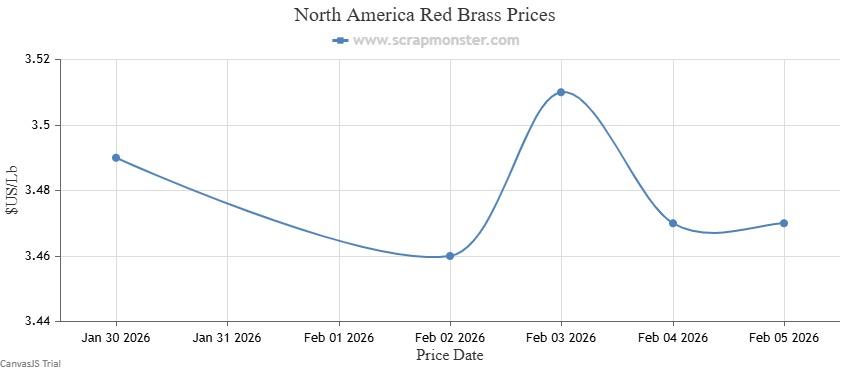
Red Brass
Red brass contains a higher copper content, making it more valuable.
Average value:
$2.40–$3.20 per pound
Brass Shells
Brass casings are frequently recycled and may command competitive rates depending on cleanliness.
Average value:
$2.20–$2.90 per pound
Sorting brass separately from other metals can help increase payouts and improve overall recycling efficiency.
Ferrous vs Non-Ferrous Metals
Understanding metal categories is essential when determining how much is scrap metal per pound.
Metals generally fall into two groups: ferrous and non-ferrous.
Ferrous Metals
Ferrous metals contain iron.
Examples include:
- Steel
- Cast iron
- Structural beams
- Automotive components
- Appliances
Characteristics of ferrous metals include:
✔ Magnetic properties
✔ Greater weight
✔ Lower resale values
✔ High availability
While ferrous metals are less valuable than copper or aluminum, they remain highly recyclable and contribute significantly to waste reduction efforts.
Non-Ferrous Metals
Non-ferrous metals contain little or no iron.
Examples include:
- Copper
- Aluminum
- Brass
- Zinc
- Lead
- Stainless steel
Advantages of non-ferrous metals include:
✔ Higher market demand
✔ Better corrosion resistance
✔ Greater resale values
✔ Longer lifespan
Non-ferrous materials generally generate the highest scrap metal prices per pound, especially when clean and separated properly.
How Scrap Yards Calculate Scrap Metal Prices
Many people wonder how recycling facilities determine pricing.
The process involves several important factors.
Weight Measurement
Scrap yards use certified industrial scales to calculate material weight accurately.
Prices are then determined based on current market values.
Material Grade
Higher-quality materials command better rates.
For example:
Bare bright copper receives higher payouts than mixed copper wire.
Clean aluminum usually sells for more than painted or contaminated aluminum.
Cleanliness
Removing non-metal materials can significantly improve profitability.
Examples include:
- Plastic insulation
- Rubber coatings
- Glass
- Wood
- Dirt
- Concrete residue
Clean materials require less processing, allowing recyclers to offer premium pricing.
Market Conditions
Commodity markets change frequently.
Fluctuations in manufacturing demand, international trade, fuel prices, and economic conditions all affect current scrap metal prices.
Processing Costs
Scrap facilities must consider:
- Transportation
- Sorting
- Labor expenses
- Equipment operation
- Refining costs
These factors contribute directly to the scrap metal value per pound paid to customers.
Tips to Get the Best Price for Scrap Metal
If you’re trying to maximize profits, several strategies can help increase returns.
Separate Metals Before Selling
Sorting metals into categories often results in better payouts.
Separate:
- Copper
- Brass
- Aluminum
- Steel
- Stainless steel
Mixed loads typically receive lower pricing because additional labor is required.
Remove Non-Metal Components
Removing attachments and contaminants improves overall value.
Examples include:
- Plastic coverings
- Insulation
- Rubber pieces
- Wood
- Fasteners
The cleaner the material, the higher the payout.
Monitor Market Trends
Metal prices fluctuate regularly.
Monitoring pricing trends can help determine the best time to sell.
Checking local recycling rates periodically is an effective strategy for maximizing returns.
Compare Recycling Facilities
Different recycling companies may offer different rates.
Customers in South Florida can conveniently access our recycling services throughout the region.
Residents searching for scrap metal recycling in West Palm Beach can find reliable solutions here:
Businesses seeking scrap metal recycling in Fort Lauderdale can explore:
Those interested in scrap metal recycling in Miami can visit:
Additional service areas include:
Sell Larger Quantities
Bulk loads often qualify for better rates.
Contractors, industrial companies, and businesses that recycle regularly may benefit from volume-based pricing.
Why Scrap Metal Prices Change Frequently
Many sellers notice that rates can vary from week to week.
Several factors contribute to these fluctuations.
Economic Conditions
Strong economies often create increased demand for recycled metals.
As manufacturing activity rises, prices generally increase.
Construction Industry Demand
Infrastructure projects consume significant quantities of steel, copper, and aluminum.
Growing construction activity can positively impact pricing.
Fuel Costs
Transportation costs influence recycling expenses.
Higher fuel prices may affect how much recyclers pay for materials.
Global Trade
Imports, exports, tariffs, and international supply chains all play a role in pricing trends.
Commodity Markets
Metal exchanges continue to influence local pricing structures.
Monitoring commodity market trends can provide useful insights into pricing movements.
External Resource:
https://www.lme.com/
Environmental Benefits of Recycling Scrap Metal
Recycling offers far more than financial rewards.
It also supports environmental sustainability.
Reduces Landfill Waste
Millions of tons of reusable metal are diverted from landfills every year.
This helps preserve valuable landfill space and reduces environmental contamination.
Conserves Natural Resources
Recycling minimizes the need for mining operations.
Preserving raw materials helps protect ecosystems and natural habitats.
Saves Energy
Manufacturing products from recycled metals consumes significantly less energy compared to extracting virgin materials.
For example, recycled aluminum requires approximately 95% less energy to process than newly mined aluminum.
Lowers Carbon Emissions
Reduced mining and manufacturing activities contribute to lower greenhouse gas emissions.
Businesses disposing of outdated electronics can also benefit from specialized electronic recycling services that recover reusable metals while preventing hazardous materials from entering landfills.
According to the Environmental Protection Agency (EPA), metal recycling helps conserve resources, save energy, and support a circular economy.
Frequently Asked Questions
How much is scrap metal per pound today?
Pricing depends on market conditions, but copper typically ranges from $3.50 to $4.80 per pound, while steel generally sells between $0.05 and $0.20 per pound.
What scrap metal has the highest value?
Copper is often considered one of the most valuable recyclable metals because of its widespread use in electrical systems, construction, and manufacturing.
Is copper worth more than aluminum?
Yes.
Copper usually commands significantly higher prices due to stronger industrial demand and limited supply.
Do scrap yards pay more for clean metals?
Absolutely.
Separated and uncontaminated metals often receive premium pricing because they require less processing.
Can recycling scrap metal generate extra income?
Yes.
Homeowners, contractors, businesses, and industrial facilities can earn additional revenue by recycling unwanted materials regularly.
Conclusion
Understanding how much is scrap metal per pound allows homeowners, contractors, and businesses to make informed recycling decisions. Market prices fluctuate based on supply and demand, commodity trends, material purity, and regional factors.
Metals such as copper, brass, and aluminum generally deliver higher returns, while steel and iron remain valuable when sold in larger quantities. Staying informed about scrap metal prices per pound, monitoring industry trends, and properly sorting recyclable materials can help maximize profitability.
Whether you’re recycling appliances, HVAC components, construction materials, electronics, or old vehicles, partnering with a trusted recycler ensures a smoother process and better payouts.
As recycling continues to support sustainability efforts worldwide, understanding how much scrap metal is worth can help individuals and businesses contribute to environmental conservation while generating additional income from reusable materials.