
How Much Do Recycling Centers Pay for Metal?
If you’ve ever looked at an old appliance, broken tools, copper wire, or aluminum cans and wondered how much do recycling centers pay for metal, you’re not alone. Millions of homeowners, contractors, and businesses earn extra cash every year by selling scrap metal instead of throwing it away.
The amount a recycling center pays depends on several factors, including the type of metal, its weight, purity, current market demand, and local scrap prices. Valuable non-ferrous metals like copper, brass, and aluminum generally earn much higher payouts than ferrous metals such as steel and cast iron.
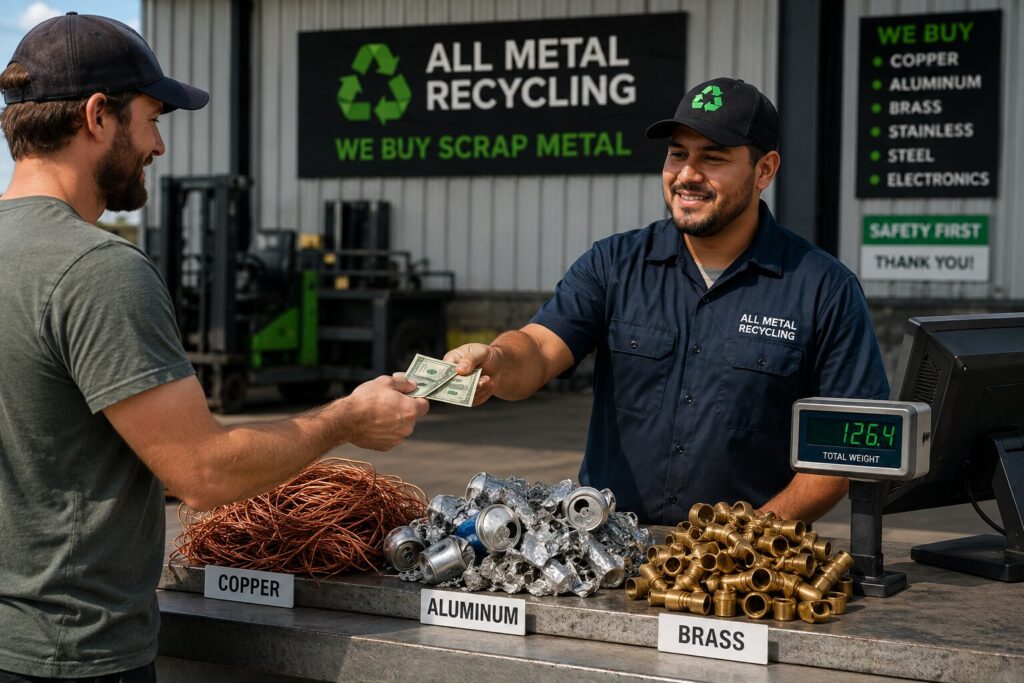
Whether you’re cleaning out your garage, replacing old HVAC equipment, renovating a property, or managing commercial scrap, understanding recycling center prices helps you maximize your profit.
At All Metal Recycling, customers receive competitive pricing, honest weighing, and professional service for a wide variety of recyclable metals throughout South Florida.
What Determines How Much Recycling Centers Pay?
Not every piece of metal has the same value. Recycling centers evaluate several factors before offering a price.
1. Type of Metal
The biggest pricing factor is the metal itself.
Higher-value metals include:
- Copper
- Brass
- Aluminum
- Stainless Steel
- Lead
Lower-value metals include:
- Steel
- Cast Iron
- Tin
Non-ferrous metals are usually worth significantly more because they are rarer, resist corrosion, and are in greater industrial demand.
2. Current Scrap Market Prices
Metal prices change almost every day.
Global demand, manufacturing activity, fuel costs, import/export trends, and commodity markets all influence how much does metal recycling pay.
For example:
- Copper prices often increase during construction booms.
- Aluminum prices rise with manufacturing demand.
- Steel prices fluctuate based on infrastructure projects.
Checking current market conditions before selling can help you choose the right time.
3. Weight of Your Scrap
Recycling centers usually purchase scrap by:
- Pound
- Hundredweight
- Ton
A few pounds of copper may be worth more than hundreds of pounds of steel because copper commands much higher prices.
4. Clean vs. Dirty Metal
Clean scrap almost always receives higher offers.
Examples include:
- Copper wire without insulation
- Aluminum free of plastic attachments
- Clean brass fittings
- Stainless steel without contamination
Removing rubber, plastic, screws, wood, or insulation often increases your payout.
5. Quantity You Bring
Many recycling facilities offer better pricing for:
- Contractors
- Industrial suppliers
- Construction companies
- Commercial demolition projects
- Large residential cleanouts
Larger loads may qualify for volume pricing.
Average Recycling Center Prices by Metal Type
Although prices change regularly, these are common ranges many recycling centers may offer.
| Metal | Typical Value |
|---|---|
| Bare Bright Copper | Highest Value |
| Copper Wire | High |
| Brass | High |
| Aluminum | Medium |
| Stainless Steel | Medium |
| Lead | Medium |
| Electric Motors | Medium |
| Steel | Low |
| Cast Iron | Lower |
| Tin | Lowest |
These values are estimates only. Always request today’s quote before selling.
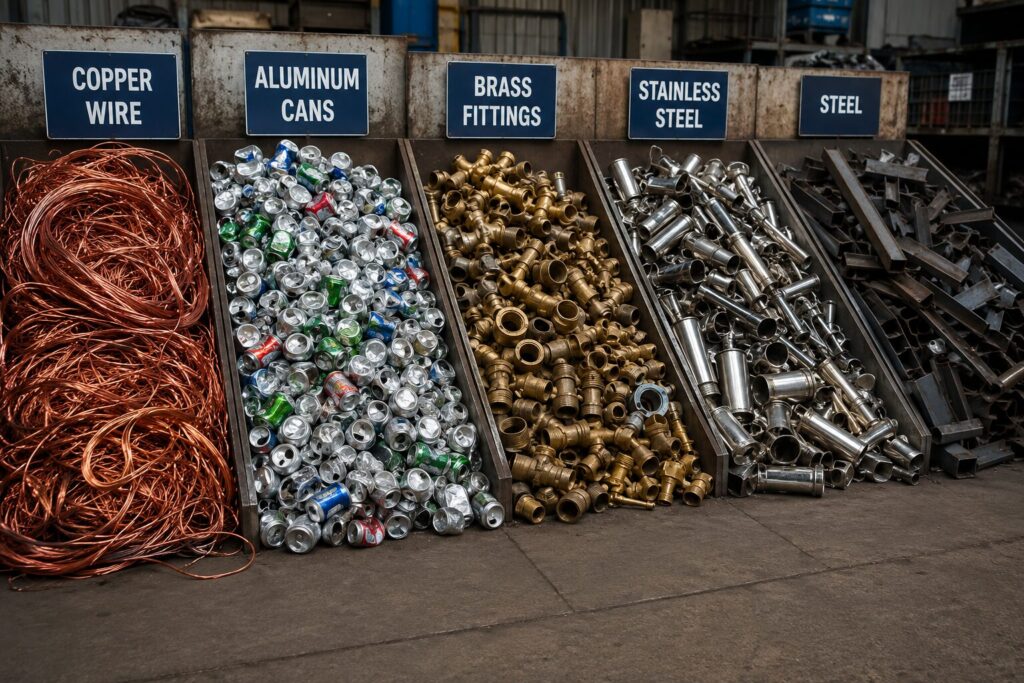
Which Metals Pay the Most?
If your goal is maximizing profit, focus on metals with consistently strong demand.
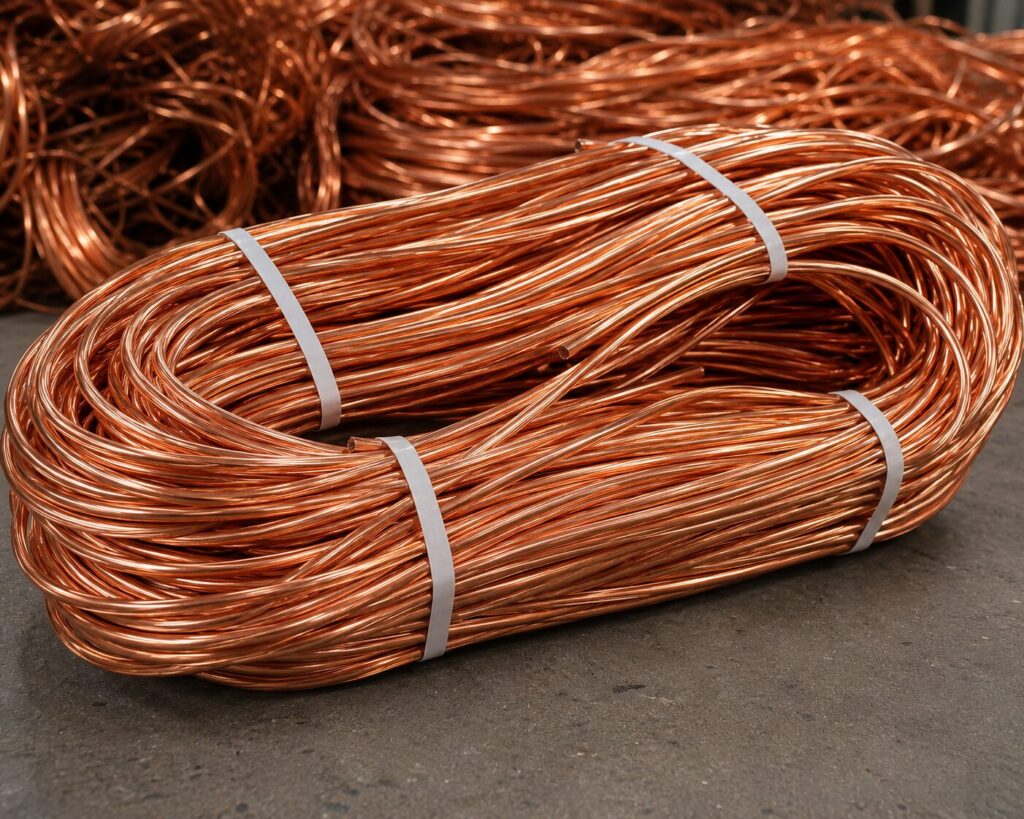
Copper
Copper is one of the most valuable recyclable metals.
You’ll commonly find it in:
- Electrical wiring
- Plumbing pipes
- Air conditioning units
- Electric motors
- Power cables
Because of its high demand, copper often delivers the best return among household scrap.
If you’re replacing old HVAC systems, consider separating valuable copper components before recycling. Learn more about Air Conditioning Recycling.
Brass
Brass is widely used in:
- Plumbing fixtures
- Water valves
- Decorative hardware
- Pipe fittings
Its copper content makes it one of the better-paying metals.
Aluminum
Aluminum is lightweight but extremely recyclable.
Common sources include:
- Beverage cans
- Window frames
- Patio furniture
- Gutters
- Automotive parts
Because aluminum is easy to recycle repeatedly, demand remains steady year-round.
Stainless Steel
Many commercial kitchens, restaurants, hospitals, and industrial facilities recycle stainless steel.
It is commonly found in:
- Sinks
- Appliances
- Shelving
- Restaurant equipment
Higher nickel content generally increases its value.
Steel
Steel is the most common recyclable metal.
Examples include:
- Washing machines
- Dryers
- Refrigerators
- Structural beams
- Car parts
Although steel pays less per pound, larger quantities can still generate worthwhile returns.
If you’re recycling household appliances and mixed metals, professional Metal Recycling services can help identify valuable materials before processing.
Ferrous vs. Non-Ferrous Metals
Understanding this difference helps explain recycling center prices.
Ferrous Metals
Contain iron.
Examples:
- Steel
- Cast iron
Advantages:
- Heavy
- Common
- Magnetic
Usually lower value.
Non-Ferrous Metals
Contain little or no iron.
Examples:
- Copper
- Brass
- Aluminum
- Lead
- Stainless steel
Advantages:
- Corrosion resistant
- Higher market demand
- Better resale value
These metals generally produce higher payouts.
Why Do Prices Change So Often?
Many sellers ask why today’s offer differs from last month.
Several market factors influence pricing:
- Global metal demand
- Manufacturing output
- Construction industry growth
- Fuel costs
- Shipping expenses
- International trade
- Commodity exchanges
- Local inventory levels
Because of these variables, how much does metal recycling pay can vary from week to week.
Scrap metal prices are influenced by national and international market trends. The Institute of Scrap Recycling Industries (ISRI) regularly shares industry insights and best practices that help explain how recycling markets operate.
Tips to Get the Highest Price for Your Scrap Metal
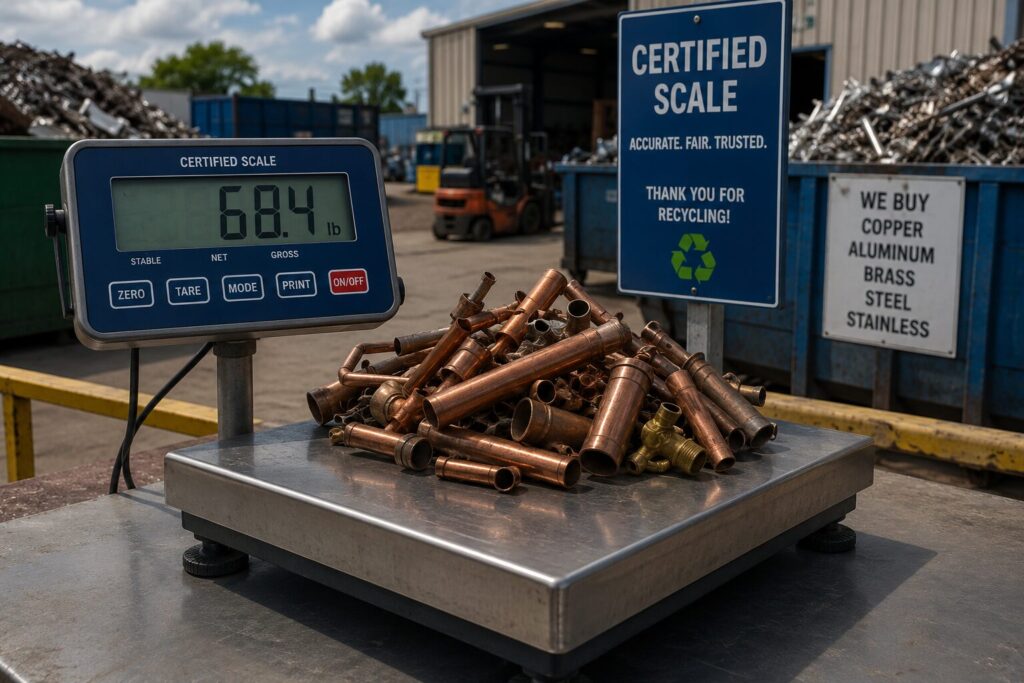
A little preparation can significantly increase your earnings.
Sort Metals Before Visiting
Separate:
- Copper
- Aluminum
- Brass
- Steel
- Stainless Steel
Mixed loads usually receive lower pricing than sorted materials.
Remove Non-Metal Materials
Take off:
- Plastic
- Rubber
- Wood
- Glass
- Fabric
Cleaner scrap means better offers.
Separate Valuable Copper Grades
Bare bright copper usually earns more than insulated wire.
If possible, separate these before arriving.
Bring Larger Loads
Many recycling centers provide more competitive pricing for larger quantities.
Visit a Trusted Recycling Company
Choosing an experienced recycler ensures:
- Accurate weights
- Fair pricing
- Honest grading
- Fast unloading
- Professional customer service
Instead of selling to unknown buyers, many homeowners and businesses choose All Metal Recycling because of its transparent process and competitive pricing.
Where Can You Find Scrap Metal to Sell?
One of the easiest ways to earn extra money is by collecting recyclable metal that would otherwise end up in a landfill. Many valuable items are already sitting around homes, businesses, and construction sites.
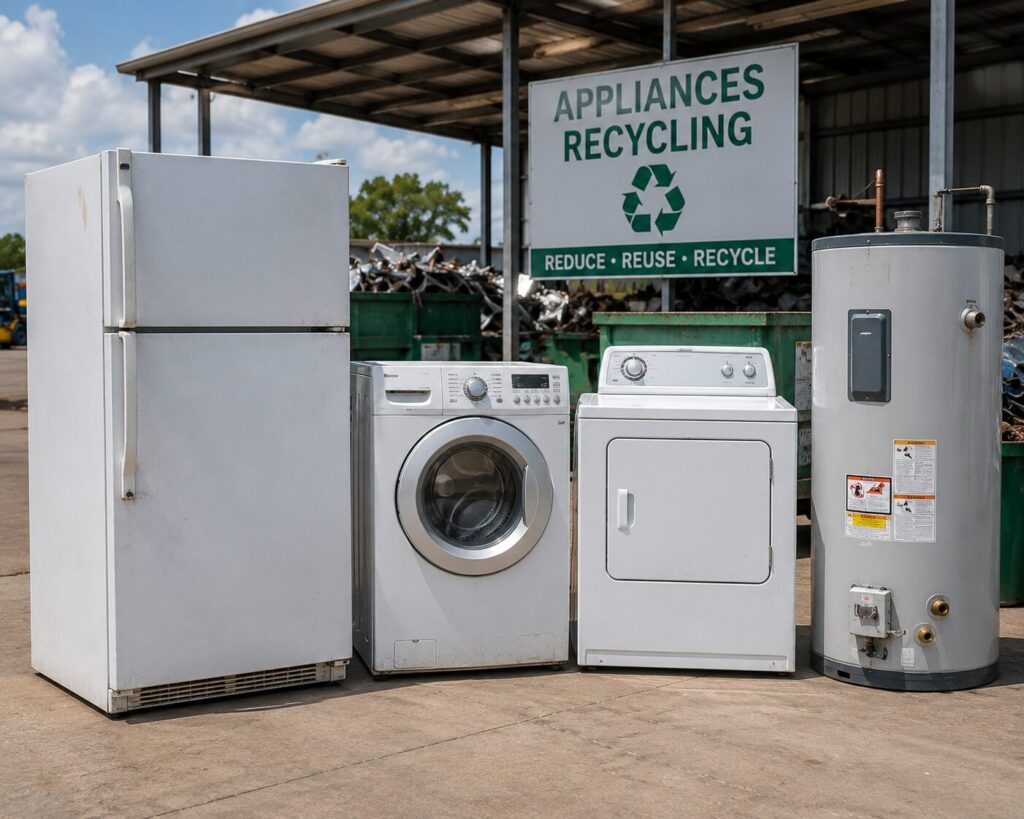
Common sources include:
- Old washing machines
- Dryers
- Refrigerators
- Water heaters
- Copper plumbing pipes
- Electrical wiring
- Aluminum window frames
- Steel shelving
- Metal fencing
- Car parts
- Roofing materials
- Brass fixtures
- Stainless steel sinks
- Air conditioning units
If you’re replacing old household appliances or renovating your property, recycling these items can help recover some of your costs while reducing environmental waste.
Residential vs. Commercial Scrap Metal
Recycling centers purchase scrap from both homeowners and businesses, but the type and quantity of material often differ.
Residential Scrap Metal
Most homeowners recycle items such as:
- Broken appliances
- Aluminum cans
- Old bicycles
- Lawn equipment
- Copper pipes
- BBQ grills
- Metal furniture
- Exercise equipment
- Bed frames
- Filing cabinets
These smaller loads still have value, especially when they contain high-paying metals like copper, brass, or aluminum.
Commercial Scrap Metal
Businesses typically generate much larger quantities of recyclable metal through daily operations.
Examples include:
- Construction debris
- Manufacturing scrap
- Warehouse shelving
- HVAC equipment
- Industrial machinery
- Office renovations
- Restaurant equipment
- Electrical materials
Commercial customers often receive customized recycling solutions and competitive pricing based on volume.
Should You Separate Metals Before Selling?
Absolutely.
Sorting your metals before visiting a recycling center is one of the simplest ways to increase your payout.
For example, if copper, aluminum, brass, and steel are mixed together, the entire load may be priced at a lower mixed-metal rate.

Instead, separate your materials into individual piles.
A well-organized load also speeds up unloading and inspection, making the entire process more efficient.
How to Identify Valuable Scrap Metal
Many people accidentally throw away metals worth good money because they don’t know how to identify them.
Here are a few simple tips:
Copper
- Reddish-orange color
- Common in plumbing and electrical wiring
- Non-magnetic
Brass
- Yellow or gold appearance
- Found in plumbing fixtures, valves, and fittings
- Non-magnetic
Aluminum
- Lightweight
- Silver-colored
- Doesn’t rust
- Non-magnetic
Stainless Steel
- Silver finish
- Rust-resistant
- Often slightly magnetic
Steel
- Heavy
- Magnetic
- Common in appliances, tools, and construction materials
Knowing the difference helps you better understand how much do recycling centers pay for metal and ensures you receive the correct pricing.
Why Copper Usually Pays the Most
Copper consistently ranks among the highest-paying recyclable metals because it is widely used across many industries.
Copper is essential for:
- Electrical systems
- Renewable energy projects
- Plumbing
- Telecommunications
- Electric vehicles
- Air conditioning systems
Its strong demand means recycling centers often pay premium rates for clean copper.
If you’re replacing an HVAC system, valuable copper components can often be recovered through professional Air Conditioning Recycling services.
Can Electronic Devices Be Recycled for Metal?
Yes.
Many electronic devices contain valuable metals that can be recovered safely.
Examples include:
- Desktop computers
- Laptops
- Servers
- Cell phones
- Printers
- Network equipment
- Circuit boards
These items may contain:
- Copper
- Aluminum
- Steel
- Gold (small amounts)
- Silver (small amounts)
Instead of throwing away outdated electronics, consider using professional Electronic Recycling services to recover reusable materials responsibly.
What About Junk Cars?
Many people overlook old vehicles as valuable sources of recyclable metal.
A junk vehicle contains:
- Steel
- Aluminum
- Copper
- Brass
- Catalytic converters
- Wheels
- Engines
- Radiators
Selling an unwanted vehicle to a professional recycler often provides a better return than leaving it unused.
If you have an old vehicle taking up space, Sell Your Junk Car services make the recycling process quick and convenient.
Why Choose a Professional Recycling Center?
Not every recycler offers the same level of service.
A trusted company provides:
- Accurate digital scales
- Competitive pricing
- Honest grading
- Fast unloading
- Friendly customer service
- Safe recycling practices
- Environmentally responsible processing
Working with an experienced recycling company gives you confidence that you’re receiving fair value for your materials.
Serving Communities Across South Florida
Whether you’re a homeowner, contractor, business owner, or property manager, choosing a local recycling facility makes selling scrap metal more convenient.
All Metal Recycling proudly serves customers throughout South Florida, including those looking for reliable Scrap Metal Recycling in West Palm Beach and nearby communities.
The company also assists customers searching for dependable recycling solutions in Scrap Metal Recycling Miami and surrounding areas.
For businesses and residents in Broward County, Scrap Metal Recycling Fort Lauderdale offers convenient recycling services for a wide range of metals.
Environmental Benefits of Metal Recycling
Selling scrap metal isn’t only about earning money—it also helps protect natural resources and reduces environmental impact.
Metal recycling helps:
- Reduce landfill waste
- Conserve natural resources
- Lower mining demand
- Save energy
- Reduce greenhouse gas emissions
- Support a circular economy
Recycling one load of scrap metal contributes to a more sustainable future while putting extra cash in your pocket.
According to the EPA Sustainable Materials Management program, recycling metal conserves natural resources, saves energy, and helps reduce greenhouse gas emissions.
If you’re new to recycling household metals, the Earth911 Recycling Guide offers helpful information on identifying recyclable materials and preparing them correctly before visiting a recycling center.
Final Thoughts
So, how much do recycling centers pay for metal? The answer depends on the type of metal, its condition, weight, and current market demand. High-value metals like copper, brass, and aluminum typically generate the best returns, while steel and cast iron offer lower prices but can still be worthwhile in larger quantities.
If you’re looking to maximize your earnings:
- Sort metals by type.
- Remove non-metal attachments.
- Bring clean, uncontaminated scrap.
- Check current market trends before selling.
- Choose a trusted recycling company with fair pricing and accurate weighing.
Whether you’re recycling a few household items or managing large commercial loads, working with an experienced recycler makes the process easier and more rewarding.
At All Metal Recycling, customers receive competitive pricing, transparent weighing, and professional service for residential and commercial scrap metal. From copper wire and aluminum to appliances, electronics, HVAC units, and junk vehicles, the team is committed to helping you get the best value while supporting environmentally responsible recycling.
If you’re ready to turn unwanted metal into cash, contact All Metal Recycling today for reliable service and competitive recycling center prices.
Frequently Asked Questions
1. How much do recycling centers pay for metal?
The amount depends on the type of metal, weight, cleanliness, and current market demand. All Metal Recycling offers competitive pricing based on up-to-date market conditions and accurate weighing.
2. What metals are worth the most at All Metal Recycling?
Copper, brass, aluminum, and stainless steel are typically among the highest-paying metals. All Metal Recycling accepts a wide variety of ferrous and non-ferrous metals and provides fair market value for each.
3. Does All Metal Recycling buy household appliances?
Yes. All Metal Recycling purchases many types of household metal items, including refrigerators, washing machines, dryers, water heaters, and other scrap appliances for responsible recycling.
4. Can businesses sell large quantities of scrap metal?
Absolutely. All Metal Recycling works with contractors, manufacturers, construction companies, and commercial businesses, offering reliable recycling services for both small and large-volume scrap metal loads.
5. Does All Metal Recycling recycle electronics?
Yes. In addition to scrap metal, All Metal Recycling provides electronic recycling services, helping customers safely recycle computers, servers, printers, and other electronic devices.
6. Why choose All Metal Recycling over other recycling centers?
Customers choose All Metal Recycling because of its competitive pricing, accurate digital scales, honest service, environmentally responsible recycling practices, and convenient locations serving communities throughout South Florida.