
Businesses generate metal waste in many different ways. A construction company may have leftover steel beams and copper wiring after a project. A manufacturer may produce aluminum offcuts, metal shavings, or outdated equipment. Warehouses and commercial facilities may accumulate damaged shelving, metal fixtures, and machinery that are no longer needed.
Instead of allowing these materials to take up valuable space or sending recyclable metal to disposal unnecessarily, businesses can make recycling part of their regular operations.
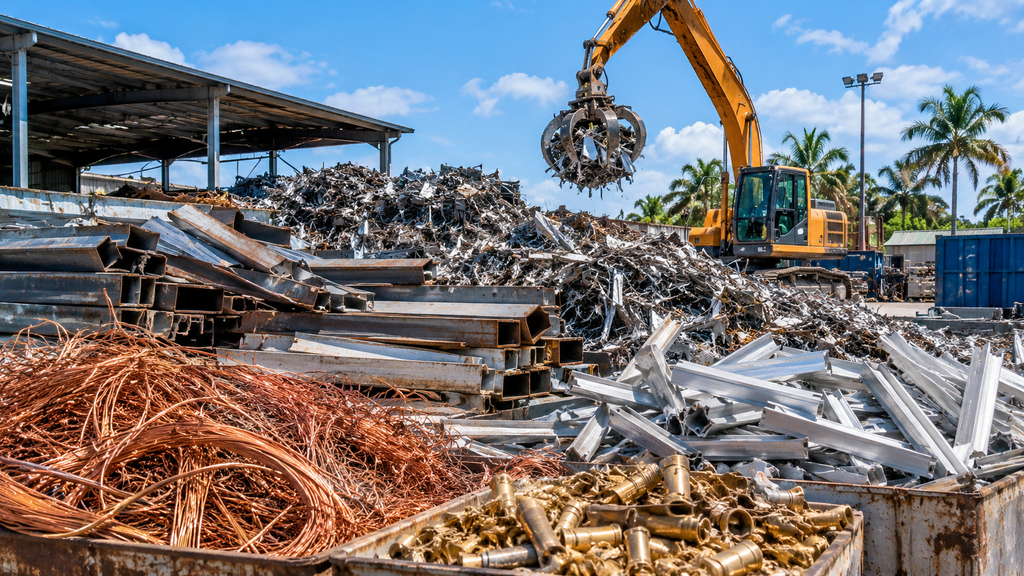
Commercial Scrap Metal Recycling gives companies a practical way to recover usable metal materials, organize their scrap, and connect with a recycling facility that handles commercial loads. For businesses in South Florida, understanding the process can make metal disposal more manageable and help recover value from materials that would otherwise go unused.
This guide explains which metals businesses can recycle, how to prepare commercial scrap, what to consider when choosing a recycling partner, and how All Metal Recycling supports commercial customers.
What Is Commercial Scrap Metal Recycling?
Commercial scrap metal recycling is the process of collecting, sorting, transporting, and recovering metal materials generated by businesses and industrial operations.
Unlike occasional household scrap disposal, commercial recycling often involves larger quantities and recurring material streams. The scrap may come from manufacturing, construction, demolition, property maintenance, HVAC installation, warehouse operations, or equipment replacement.
Common examples include:
- Steel beams, pipes, and structural metal
- Aluminum sheets, frames, and extrusions
- Copper wiring and metal components
- Brass fittings and plumbing materials
- Iron equipment and machinery
- Metal shelving, fixtures, and storage racks
- Manufacturing offcuts and production scrap
- Certain recyclable metal components from commercial equipment
The exact materials accepted depend on the recycling facility, their condition, and how they are prepared. Businesses should confirm acceptance before arranging transportation, especially when a load contains mixed materials or potentially hazardous components.
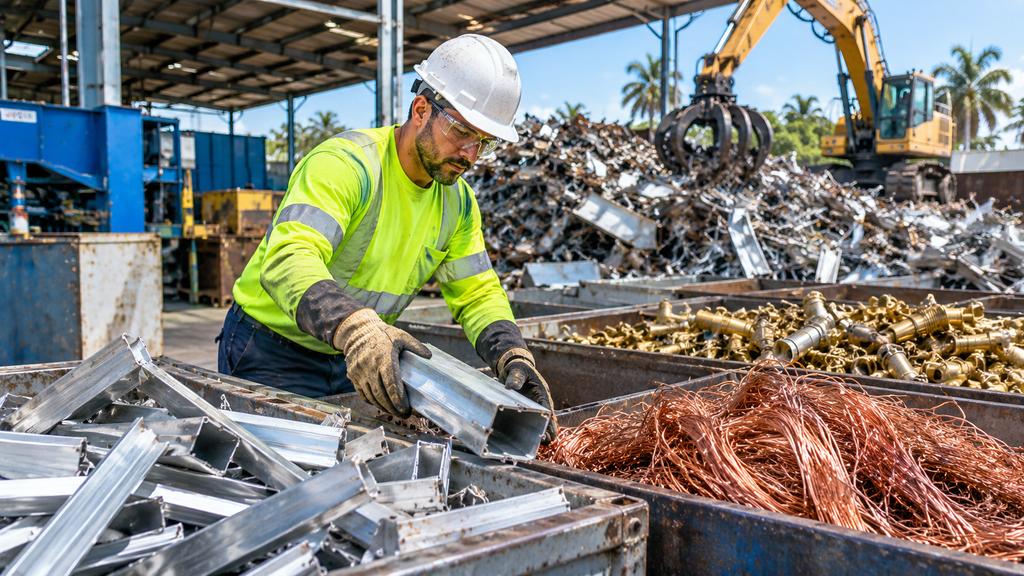
Which Businesses Can Benefit From Commercial Metal Recycling?
Almost any business that regularly works with metal can generate recyclable scrap. The type and quantity will depend on the company’s operations.
1. Construction and Demolition Companies
Construction projects often produce leftover metal from installation, renovation, and demolition work.
Common materials include steel framing, metal pipes, aluminum siding, copper wiring, roofing components, and structural metal. Separating these materials during a project makes it easier to identify recyclable metal and keep the job site organized.
2. Manufacturing and Fabrication Facilities
Manufacturers and metal fabrication shops may generate scrap during cutting, drilling, shaping, and production.
Examples include aluminum offcuts, steel pieces, metal sheets, brass components, and other production leftovers. Keeping these materials separated by type can make collection and evaluation more straightforward.
3. HVAC and Mechanical Contractors
Heating, ventilation, and air conditioning projects can produce metal components such as copper tubing, aluminum parts, and complete air conditioning equipment.
Contractors should separate recyclable components carefully and confirm which complete units or materials a recycling facility accepts.
4. Warehouses and Commercial Properties
Warehouses, distribution centers, and commercial property managers may accumulate metal shelving, storage racks, damaged equipment, fixtures, and other metal items during upgrades or cleanouts.
A planned recycling process can help businesses clear unnecessary materials while keeping usable inventory and equipment separate.
5. Automotive and Equipment Businesses
Automotive businesses, equipment operators, and maintenance facilities may generate metal components during repairs, replacements, and equipment retirement. The materials should be identified and separated appropriately before recycling.
What Types of Scrap Metal Can Businesses Recycle?
Understanding the difference between metal categories helps businesses prepare their loads more effectively.
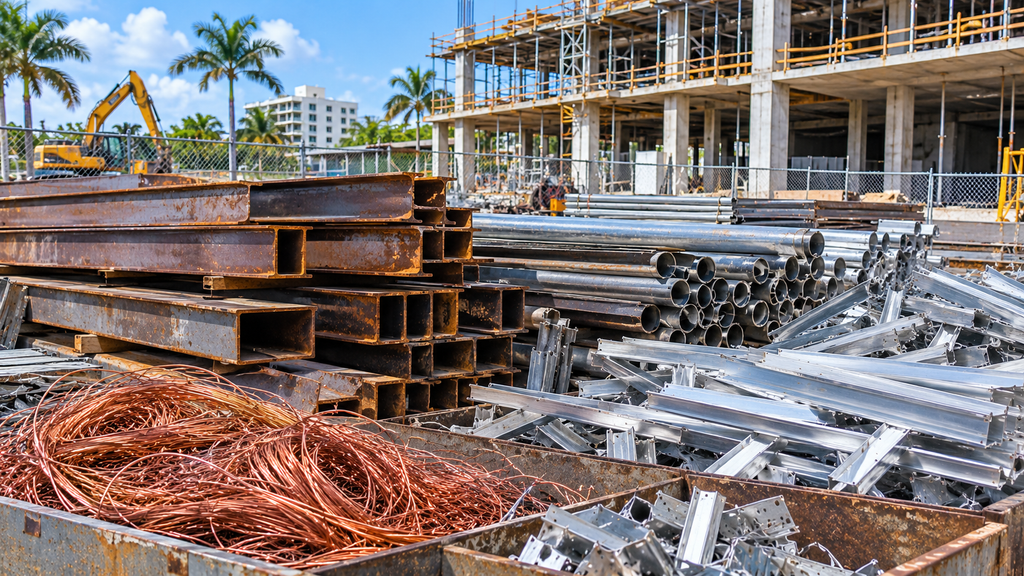
Ferrous Metals
Ferrous metals contain iron. Common examples include:
- Steel
- Cast iron
- Structural iron
- Steel pipes
- Metal beams
- Certain machinery components
These materials are common in construction, manufacturing, industrial equipment, and commercial property maintenance.
Non-Ferrous Metals
Non-ferrous metals do not contain iron as their primary metal content. Common examples include:
- Copper
- Aluminum
- Brass
- Certain grades of stainless steel
- Zinc
Copper wiring, aluminum components, and brass fittings are examples of materials that businesses may generate through electrical, plumbing, construction, and maintenance work.
The value of a particular load depends on its metal type, grade, cleanliness, quantity, and current market conditions. A recycler must inspect and evaluate the actual material before determining its value.
For a broader overview of recyclable materials, businesses can explore metal recycling services offered by All Metal Recycling.
How to Prepare Commercial Scrap Metal Before Recycling
Good preparation can make the recycling process easier for both the business and the recycling facility. It can also reduce confusion when a load contains several different materials.
1. Identify the Materials
Start by reviewing the scrap generated by your operation. Identify whether it includes copper, aluminum, brass, steel, iron, or mixed metal components.
If employees are unsure about a particular material, keep it separate until its composition can be confirmed.
2. Separate Ferrous and Non-Ferrous Metals
Where practical, create separate collection areas for ferrous and non-ferrous scrap.
For example, steel framing should not be mixed unnecessarily with copper wiring or aluminum components. Better separation helps the recycling facility evaluate the materials more efficiently.
3. Remove Unnecessary Non-Metal Attachments
When it is safe and practical, separate obvious non-metal attachments such as wood, cardboard, or plastic.
However, do not dismantle equipment if doing so could create electrical, mechanical, chemical, or other safety risks. Some components require qualified professionals.
4. Keep Different Materials Organized
Use clearly identified containers or designated collection areas. Labeling separate areas for copper, aluminum, steel, and mixed metal can help employees follow a consistent process.
This is particularly useful for businesses that generate scrap every week.
5. Check for Hazardous or Restricted Components
Not every item containing metal should be treated as ordinary scrap. Batteries, sealed containers, equipment containing refrigerants, oily components, and chemically contaminated materials may require special handling.
Do not puncture, cut, drain, or dismantle potentially hazardous items without appropriate training and procedures. Ask the recycling facility how these materials should be handled.
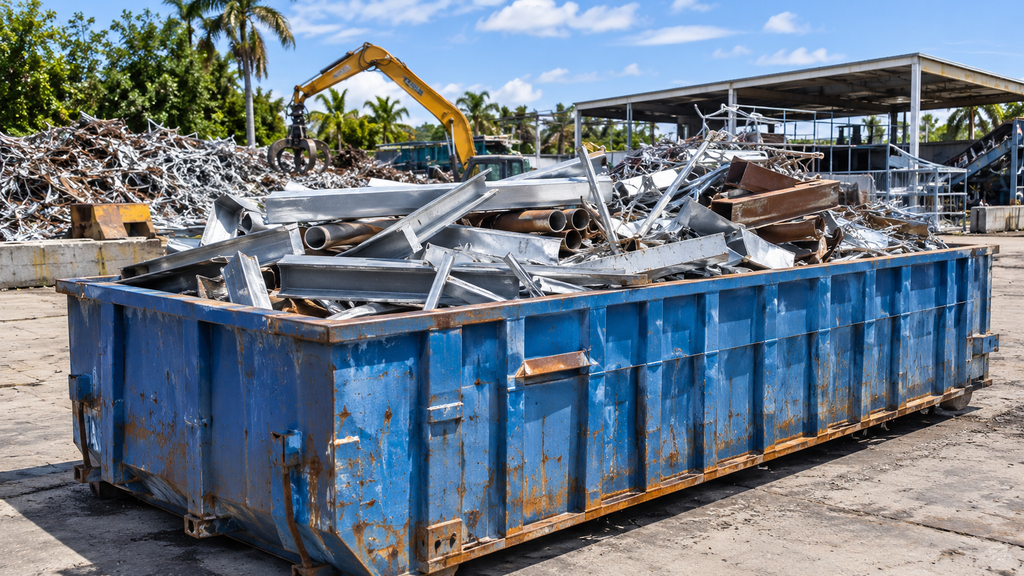
Why Businesses Should Create a Regular Metal Recycling Process
A consistent recycling process can offer practical operational benefits.
Better Use of Facility Space
Accumulated scrap can occupy warehouse space, block work areas, and make material handling more difficult. Regular collection and organized storage help businesses keep their facilities and job sites more manageable.
Potential Financial Recovery
Some commercial metal scrap has recoverable market value. Rather than treating every unwanted metal item as ordinary waste, businesses can identify recyclable materials and ask a recycler to evaluate them.
Actual payment depends on the material, grade, weight, condition, and current market rates. No fixed return should be assumed before inspection.
More Organized Job Sites
Construction and demolition operations can generate different types of metal throughout a project. Designated collection areas help workers separate materials as they are produced rather than sorting everything at the end.
Support for Material Recovery
Recycling allows recovered metal to re-enter manufacturing and other material supply chains. The U.S. Environmental Protection Agency explains how beneficial use of industrial secondary materials can support resource conservation and reduce the need for disposal when materials are suitable for recovery.
Businesses interested in the wider environmental context can read the EPA’s guide to sustainable management of industrial secondary materials.
How to Choose a Commercial Scrap Metal Recycling Partner
Choosing a recycling company involves more than finding a place that accepts metal. Businesses should consider how well the provider can handle their materials, quantities, and operational requirements.
Before choosing a facility, consider the following:
Material acceptance: Ask which metals and commercial materials the facility accepts. Confirm any restrictions before preparing a shipment.
Commercial volume: Explain the approximate quantity and type of scrap your business generates. This helps the recycler understand whether the load fits its operations.
Collection and transportation: Ask whether commercial pickup, roll-off containers, or other transportation arrangements are available for your location and material type.
Weighing and evaluation: Understand how the material will be inspected, categorized, and weighed. Ask what documentation is provided for the transaction.
Communication: A reliable business relationship should include clear instructions about preparation, scheduling, accepted materials, and any applicable container or transportation costs.
Regulatory awareness: Recycling businesses in Florida operate under state requirements. The Florida Department of Revenue explains the registration and oversight framework for secondary metals recyclers. Businesses can review its official information about secondary metals recyclers.
For workplace safety, companies should also review OSHA’s guidance on scrap metal recycling hazards, particularly when employees handle sharp metal, heavy loads, machinery, or potentially hazardous materials.
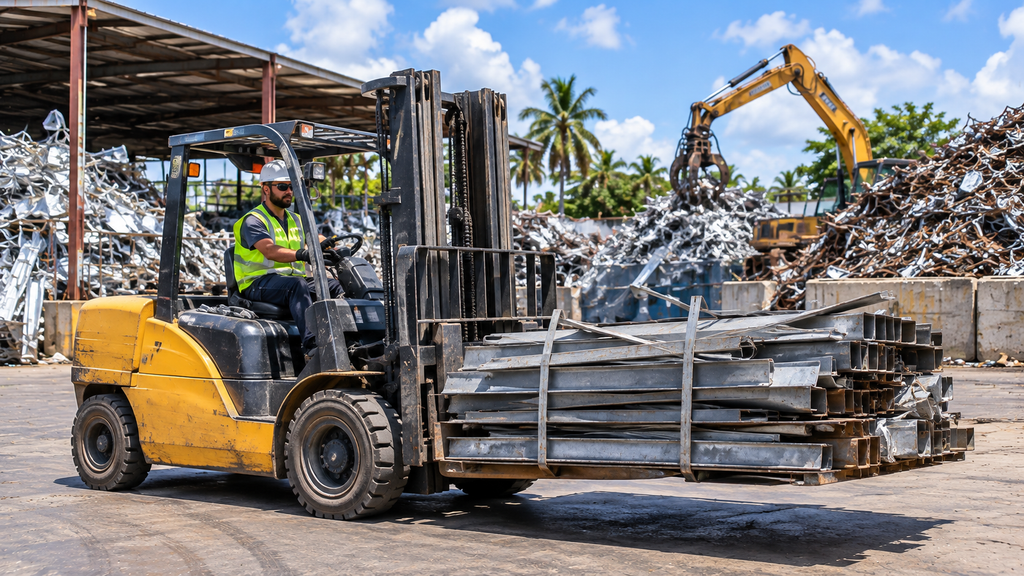
Commercial Scrap Metal Recycling in South Florida
Businesses throughout South Florida may generate recyclable metal through construction, renovation, manufacturing, HVAC work, property maintenance, and equipment replacement.
For companies in Palm Beach County and nearby areas, working with a recycling facility that understands commercial material handling can make the process easier to coordinate.
All Metal Recycling is based in Lake Worth Beach, Florida, and serves commercial customers with metal recycling and related services. Its commercial services include scrap pickup arrangements, roll-off container options, and purchasing larger quantities of scrap metal.
Businesses can review the available commercial recycling and container services to understand the options offered. Container arrangements, costs, availability, and transportation details should be confirmed directly with the company before scheduling.
Companies in the wider region can also learn more about scrap metal recycling in West Palm Beach.
How All Metal Recycling Supports Commercial Customers
Managing commercial scrap does not have to become another complicated part of running a business.
All Metal Recycling works with commercial clients that generate larger quantities of recyclable metal. Depending on the project and material, businesses can discuss scrap pickup, roll-off container arrangements, and the recycling of bulk metal loads.
The company also provides container options, including 20-foot and 40-foot containers, as described on its services page. Specific container arrangements, placement, fees, and scheduling should be confirmed with the team.
If your business generates copper, aluminum, steel, iron, brass, or other metal scrap, contact All Metal Recycling to discuss what you have and whether it can be accepted.
All Metal Recycling
Lake Worth Beach, Florida
Phone: 561-420-1111
Website: https://allmetalrecycling.com/
Conclusion
A well-organized recycling process can help businesses manage metal waste, keep work areas clearer, and recover value from materials that are no longer needed. From construction leftovers and manufacturing offcuts to warehouse equipment and commercial maintenance scrap, the first step is identifying what can be recycled and separating it properly.
Commercial Scrap Metal Recycling works best when businesses understand their material streams, prepare loads safely, and communicate with a recycling partner before arranging collection or delivery.
For businesses in South Florida, All Metal Recycling provides commercial scrap recycling options worth discussing. Contact the team to explain your materials, approximate quantity, and location so you can learn which recycling arrangements may be suitable for your operation.
Frequently Asked Questions
1. What is commercial scrap metal recycling?
It is the collection, sorting, and recovery of metal materials generated by businesses, construction projects, manufacturing facilities, warehouses, and other commercial operations.
2. What types of metal can businesses recycle?
Common recyclable metals include copper, aluminum, brass, steel, and iron. Acceptance depends on the recycling facility, material grade, condition, and any restrictions that apply.
3. How can a business prepare scrap metal for recycling?
Businesses should identify different metals, separate ferrous and non-ferrous materials, keep loads organized, and remove obvious non-metal attachments when safe. Potentially hazardous components should be handled according to appropriate safety procedures.
4. Does All Metal Recycling offer commercial scrap metal pickup?
Yes. All Metal Recycling states that its scrap metal pickup service is available to businesses rather than household customers. Contact the company to discuss your location, material, quantity, and scheduling requirements.
5. Does All Metal Recycling provide roll-off containers for businesses?
Yes. All Metal Recycling lists roll-off container services and offers 20-foot and 40-foot container options. Contact the company to confirm availability, placement arrangements, applicable fees, and transportation details.
6. How can a South Florida business contact All Metal Recycling?
Businesses can contact All Metal Recycling at 561-420-1111 or visit https://allmetalrecycling.com/ to discuss commercial scrap metal recycling options.