
If you have old appliances, metal fixtures, wiring, auto parts, construction leftovers, or other unwanted metal sitting around, you may be wondering: Can You Make Money Recycling Scrap Metal? The answer can be yes, but the amount you receive depends on several factors, including the type of metal, its condition, weight, preparation, and current market demand.
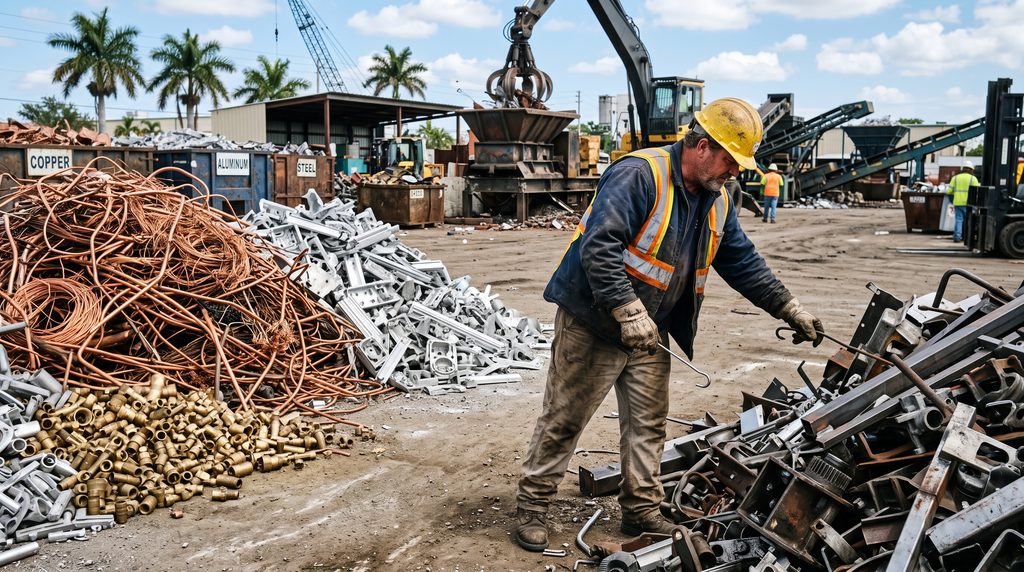
Scrap metal is not simply “old metal.” Different materials have different values, and separating valuable nonferrous metals from lower-value ferrous materials can make a meaningful difference when you visit a recycling facility.
For homeowners, contractors, mechanics, and businesses in South Florida, understanding how scrap is graded and priced can help you avoid unrealistic expectations and prepare your materials before making a trip to a recycling center.
Can You Make Money Recycling Scrap Metal?
Yes, recycling scrap metal can provide extra income when you have enough material to make the trip worthwhile. However, it should be viewed as a practical way to recover value from unwanted metal rather than as guaranteed income.
The first step is identifying what you actually have.
Common recyclable metals include:
- Copper
- Aluminum
- Brass
- Steel
- Stainless steel
- Lead
- Zinc
- Metal from vehicles and machinery
- Certain appliances and equipment
Nonferrous metals such as copper, aluminum, brass, and zinc generally have different market values from ferrous metals such as steel and iron. A magnet can help with basic identification because many common ferrous metals are magnetic, while copper and aluminum are not.
For more detailed guidance on accepted materials and recycling services, readers can explore metal recycling services from All Metal Recycling.
What Determines Scrap Metal Value?
When people search for how much does metal recycling pay, they often expect one simple price per pound. In reality, scrap pricing is more complicated.
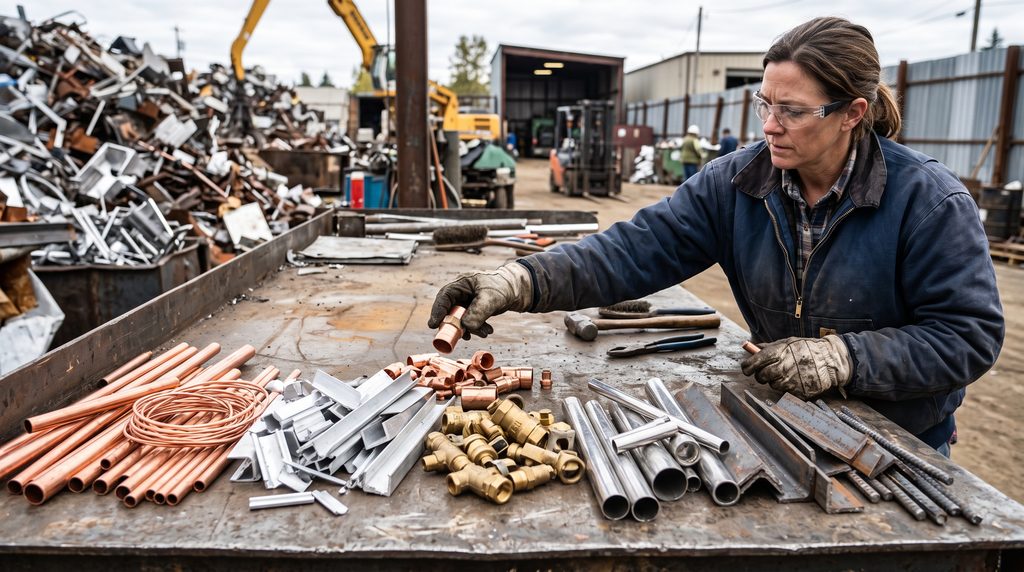
Several factors can influence what a recycling center pays:
1. Type of Metal
Metal type is one of the biggest factors. Clean copper, for example, is generally treated differently from mixed steel because the materials have different commodity values and processing requirements.
Aluminum, brass, copper, stainless steel, and other nonferrous materials may also be separated into different grades.
2. Weight
Scrap is commonly purchased according to weight. A small quantity of high-value material may be worth more per pound than a large quantity of lower-value steel, but total earnings still depend on how much material you bring.
This is why collecting several suitable items before visiting a metal recycling center can make practical sense.
3. Condition and Cleanliness
Clean, properly sorted material can be easier to process than mixed or contaminated scrap. Foreign materials, excessive dirt, attached nonmetal components, and mixed grades may affect classification.
Industry specifications provide frameworks for identifying and trading different scrap grades, although actual transactions can still depend on buyer requirements and market conditions.
4. Current Market Demand
Scrap metal is a commodity, so prices can change. Supply, demand, manufacturing activity, transportation costs, and broader commodity markets can all influence what recycling facilities can pay.
That means an online price you saw several weeks ago may not represent the amount available when you actually visit a yard.
How Much Does Metal Recycling Pay?
So, how much does metal recycling pay in practical terms?
There is no universal amount. Two people bringing the same weight of scrap may receive different totals if the material consists of different metals or grades.
For example, 100 pounds of mixed steel should not be expected to have the same value as 100 pounds of clean copper. Likewise, insulated wire, bare copper, aluminum cans, brass fixtures, and heavy steel can fall into different categories.
Instead of focusing only on a single advertised price, ask the recycling center how your specific material will be classified.
A useful approach is to separate your load into broad categories before arriving:
- Copper
- Brass
- Aluminum
- Stainless steel
- Steel and iron
- Other identifiable metals
This makes the evaluation process easier and helps you understand what you are actually selling.
What Are Recycling Center Prices Based On?
People searching for recycling center prices should understand that pricing is usually connected to the material’s type, grade, weight, and current market conditions.
A recycling center may also need to consider how much processing a material requires. Clean and properly prepared material may be easier to sort and process than heavily mixed scrap.
This is one reason experienced recyclers recommend sorting before a trip.
For example, if you have aluminum siding, copper wire, brass plumbing fixtures, and steel components mixed together in one pile, separating them can make the load easier to evaluate.
If you regularly collect scrap from renovation projects, workshops, garages, or job sites, keeping separate containers for different metals can save time later.
Which Scrap Metals Are Usually Worth Separating?
Not every piece of metal needs to be treated the same way.
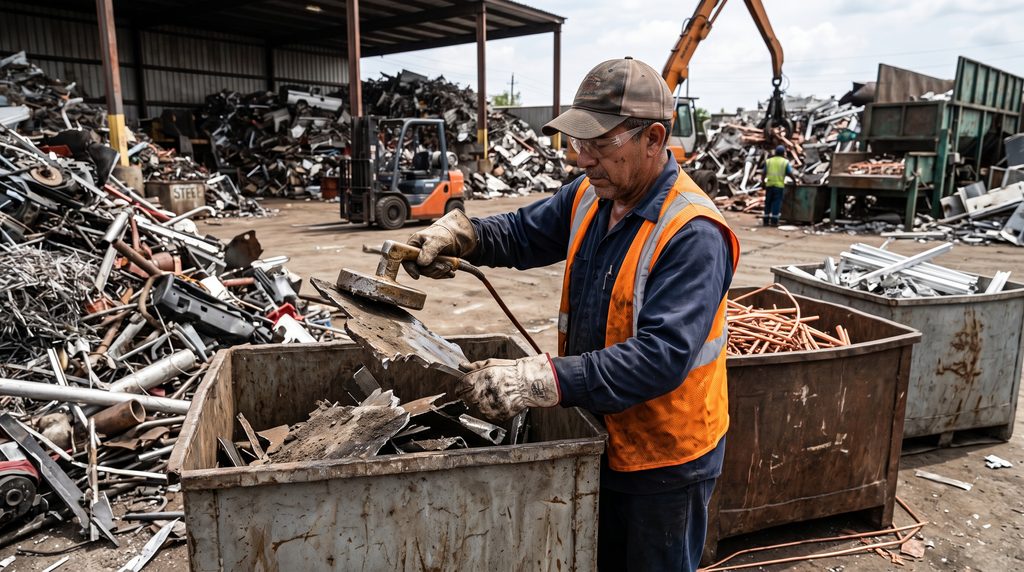
Copper
Copper is commonly found in electrical wire, plumbing components, tubing, motors, and other equipment. Because copper can have significant commodity value compared with many common ferrous materials, identifying it correctly is important.
However, different forms of copper may be categorized differently depending on condition and attached materials.
Aluminum
Aluminum can come from cans, automotive components, window frames, siding, rims, equipment, and other products. It is lightweight, so you may need a substantial quantity to create a heavier load.
All Metal Recycling accepts several aluminum categories, including radiators, automobile rims, beverage cans, pipes, conduit, siding, gutters, frames, and wire.
Brass
Brass can appear in plumbing fixtures, valves, door hardware, heater cores, and decorative components. It is another material worth separating rather than throwing into a general steel pile.
Steel and Iron
Ferrous scrap is common because it is found in appliances, machinery, construction materials, vehicles, tools, and structural components. Although individual steel items may have a lower value than some nonferrous metals, large quantities can still add up.
Scrap metal is often categorized according to its material type, quality, and specifications. Understanding these categories can help sellers better understand why two loads containing similar-looking metal may receive different valuations. The ISRI scrap specifications provide industry specifications for different recycled commodities and can be useful when learning how scrap materials are classified.
How to Prepare Scrap Before Selling It
If your goal is to sell scrap metal for cash, preparation can make the process easier.
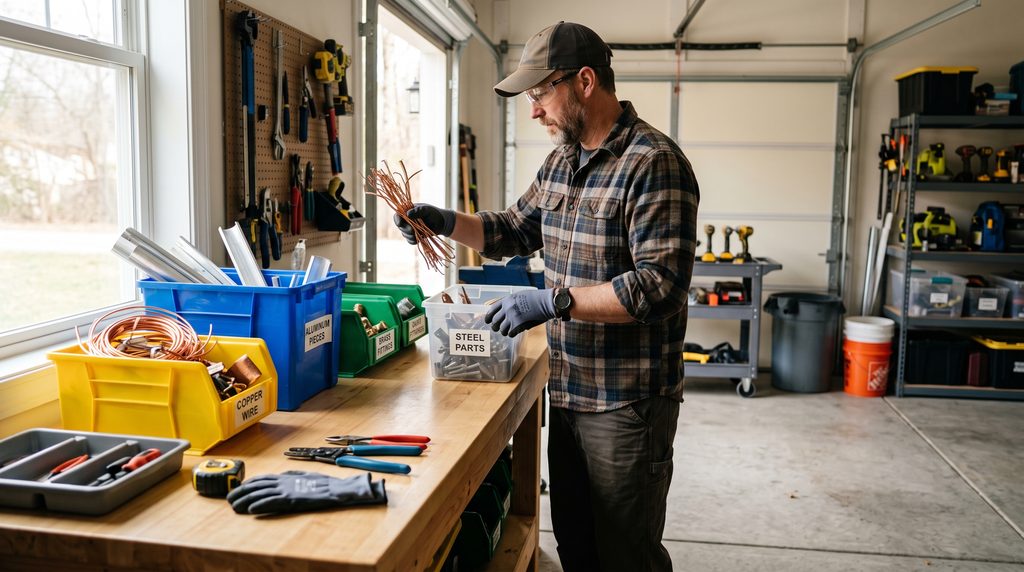
Start by removing obvious nonmetal waste where it is safe and practical to do so. Then separate materials by type.
Do not dismantle equipment in a way that creates unnecessary safety risks. Certain appliances, electronics, batteries, and equipment may contain hazardous components or require specialized handling.
For example, electronics should not automatically be treated as ordinary household scrap. Responsible electronic recycling can help recover materials while ensuring that equipment is handled appropriately.
Electronics should be handled separately from ordinary household scrap because some devices contain materials that require appropriate recycling and management. The EPA’s electronics recycling information explains why responsible electronics recycling matters and how recovered materials can be managed more effectively.
Similarly, old air-conditioning equipment may contain valuable metals but can require specialized processing. If you have an old unit, consider professional air conditioner recycling rather than simply breaking it apart yourself.
Can Old Cars and Auto Parts Be Recycled for Money?
Vehicles contain substantial amounts of recyclable material, including steel, aluminum, copper, and other components.
If you have an unwanted vehicle taking up driveway or yard space, selling it to a recycling facility can be another way to recover value from metal.
The amount offered for a vehicle depends on factors such as its condition, weight, location, parts, and current metal markets.
For vehicle owners in Palm Beach County, All Metal Recycling also provides an option to sell your junk car rather than dealing with private buyers or leaving the vehicle unused.
How to Find Scrap Metal Recycling Near Me
When searching for scrap metal recycling near me, don’t choose a facility based only on a headline price.
Look for a recycling center that clearly explains what materials it accepts, where it is located, and how its process works.
For residents around Lake Worth and Palm Beach County, proximity can also matter. Driving a long distance with a small load may reduce the practical benefit of recycling.
A local facility can make it easier to bring materials in, ask questions about grades, and understand the value of different types of scrap.
All Metal Recycling is located at 4100 S Military Trail and serves customers in Lake Worth and surrounding communities.
The company also serves several South Florida locations, making local access easier for people searching for scrap metal recycling Lake Worth FL and nearby areas.
Recycling Center Prices: What Should You Ask?
Before loading your vehicle, ask a few straightforward questions.
What materials do you currently accept?
This prevents you from transporting items the facility cannot process.
How are the materials classified?
Knowing whether your material is being treated as copper, aluminum, brass, steel, or another category helps you understand the evaluation.
Are prices based on weight?
Many scrap transactions are weight-based, but the exact process can vary.
Does preparation affect the grade?
Ask whether separating or cleaning certain materials is worthwhile.
Do prices change?
Since commodity markets move, the amount available today may differ from an older price you found online.
These questions are more useful than relying on a generic internet estimate of recycling center prices.
How to Increase the Value of a Scrap Load
If you’re serious about making money from scrap, focus on organization rather than simply collecting more material.
First, separate ferrous and nonferrous metals.
Second, keep different nonferrous materials separated when practical.
Third, avoid mixing clean material with unnecessary contamination.
Fourth, store scrap safely and keep it dry when appropriate.
Finally, choose a recycling facility that can explain its categories and purchasing process.
The goal is not to turn every household object into scrap. Instead, identify material that already has little practical use and recover its value responsibly.
Is Scrap Metal Recycling Worth It?
For homeowners, businesses, contractors, and people clearing out garages or workspaces, scrap recycling can be worthwhile when the material is already available.
The environmental side is important too. Recycling keeps usable materials in the manufacturing cycle and reduces the need for extracting new raw materials. The U.S. Environmental Protection Agency notes that recycling can conserve natural resources, reduce waste, and support economic activity.
Recycling scrap metal can also provide environmental benefits beyond the financial return. Recycling helps conserve natural resources, reduce the amount of waste sent to landfills, and keep valuable materials in productive use. The U.S. EPA’s recycling basics and benefits guide explains how recycling can support resource conservation and reduce waste while contributing to economic activity.
The financial benefit depends on your material and the current market, so avoid websites promising guaranteed earnings.
If you have a small amount of mixed metal, your return may be modest. If you have a large quantity of correctly sorted copper, aluminum, brass, steel, or other recyclable material, the total can be more meaningful.
Where to Sell Scrap Metal in Lake Worth, FL
For people looking for a local option, All Metal Recycling provides scrap metal recycling services in Lake Worth, Florida.
The facility accepts a variety of materials and serves homeowners, businesses, contractors, and others who need a practical way to recycle unwanted metal.
Instead of guessing how much does metal recycling pay, bring your material to a local recycling facility for evaluation based on the actual type and condition of your scrap.
If you’re located outside Lake Worth, All Metal Recycling also serves communities including West Palm Beach, Fort Lauderdale, Miami, Palm Springs, Greenacres, Boynton Beach, and Lantana.
Residents can explore scrap metal recycling in West Palm Beach, scrap metal recycling in Fort Lauderdale, and other nearby service areas when looking for a convenient recycling option.
Frequently Asked Questions
1. Can you make money recycling scrap metal?
Yes. You can receive money for eligible recyclable metal, but the amount depends on the material type, weight, grade, condition, and current market conditions. All Metal Recycling evaluates accepted scrap based on its characteristics and applicable purchasing categories.
2. How much does metal recycling pay?
There is no single fixed answer to how much does metal recycling pay. Copper, aluminum, brass, steel, and other materials can have different values, and market conditions change. For an accurate evaluation, bring your eligible material to All Metal Recycling.
3. What should I separate before visiting All Metal Recycling?
Separate different metal types when practical, especially valuable nonferrous materials such as copper, aluminum, and brass from general steel or iron. Removing obvious nonmetal waste can also make sorting easier.
4. Does All Metal Recycling accept electronics?
All Metal Recycling provides electronic recycling services for eligible electronics. If you have computers, TVs, office equipment, or other electronics, contact the facility before visiting to confirm current acceptance requirements.
5. Can I recycle an old air conditioner?
Yes, eligible air-conditioning equipment can be handled through professional air conditioner recycling. Because HVAC units can contain valuable metals as well as components requiring appropriate handling, it is better to use a qualified recycling facility rather than dismantling equipment improperly.
6. Where can I recycle scrap metal in Lake Worth?
All Metal Recycling is located at 4100 S Military Trail in Lake Worth, Florida, and provides scrap metal recycling services for local residents and businesses. Contact the facility to confirm accepted materials and current purchasing information before bringing your load.
Final Thoughts
Scrap metal can be more valuable than it looks. An old pile of copper wire, aluminum components, brass fixtures, steel equipment, or unwanted auto parts may represent recoverable value instead of something that needs to go straight to the trash.
The key is understanding your material, keeping different metals separated, preparing your load safely, and choosing a reputable local recycling facility.
If you’re asking Can You Make Money Recycling Scrap Metal, the practical answer is that your potential return depends on what you have, how much you have, and the current market. Rather than relying on outdated price lists, get your specific material evaluated by a local recycling center.
For homeowners and businesses in Lake Worth and surrounding South Florida communities, All Metal Recycling provides a convenient local option for turning eligible scrap into value while supporting responsible material recovery.