
Brass is one of the most valuable non-ferrous metals accepted by scrap recycling facilities across the United States. Whether you’re replacing plumbing fixtures, removing old hardware, renovating a commercial building, or cleaning out a workshop, knowing the Brass Scrap Price Per Pound can help you earn more from your recyclable materials.
Unlike ferrous metals that contain iron, brass is highly resistant to corrosion, durable, and easy to recycle. Because manufacturers use recycled brass to produce new plumbing components, electrical fittings, valves, marine hardware, and industrial equipment, demand for quality brass scrap remains strong throughout the year.
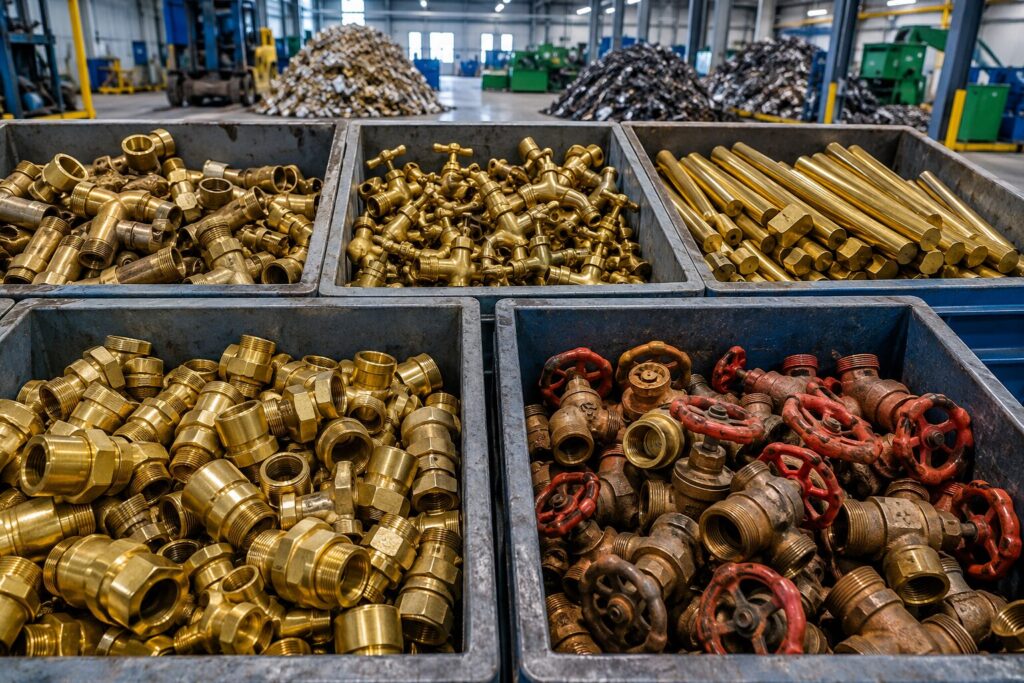
Many sellers assume all brass is worth the same amount, but that isn’t true. Different brass alloys, cleanliness, contamination, and market demand all influence the value of your material. Understanding these factors before visiting a recycling yard allows you to prepare your scrap properly and maximize your return.
If you’re looking for a trusted recycling company in South Florida, All Metal Recycling provides competitive pricing, certified weighing, and professional service for homeowners, contractors, plumbers, electricians, and commercial businesses.
What Is the Current Brass Scrap Price Per Pound?
The Brass Scrap Price Per Pound changes frequently because it depends on domestic and global metal markets. Prices can rise or fall based on manufacturing demand, commodity exchanges, export activity, and the availability of recyclable brass.
Rather than relying on a single published rate, it’s important to understand that different types of brass receive different values.
Common recyclable brass materials include:
- Yellow brass
- Red brass
- Brass plumbing fixtures
- Brass valves
- Brass fittings
- Brass pipe
- Brass radiators
- Brass shell casings
- Decorative brass
- Mixed brass scrap
Each type contains different metal compositions and requires different processing before it can be reused, which directly affects its recycling value.
For example, clean red brass often commands higher prices than mixed or contaminated brass because it contains a higher percentage of copper and requires less sorting before recycling.
Businesses bringing well-sorted brass loads may also receive more competitive pricing than customers with mixed materials.
Why Does Brass Scrap Value Change?
Many customers notice that scrap prices are never exactly the same from one week to another.
Several market factors influence the Brass Scrap Price Per Pound every day.
1. Global Manufacturing Demand
Brass is widely used in:
- Plumbing systems
- Electrical connectors
- HVAC equipment
- Marine hardware
- Construction projects
- Automotive manufacturing
- Industrial machinery
When manufacturing activity increases, demand for recycled brass also grows, which may lead to stronger scrap prices.
2. Copper Content
Brass is primarily made from copper and zinc.
Because copper is one of the world’s most valuable industrial metals, fluctuations in copper prices often influence brass scrap values as well.
Higher copper market prices generally support stronger brass recycling values.
3. Material Cleanliness
Clean brass consistently earns better prices than contaminated material.
Common contaminants include:
- Plastic
- Rubber
- Steel screws
- Dirt
- Paint
- Oil
- Non-metal attachments
Removing these materials before recycling helps improve grading accuracy and may increase your payout.
4. Brass Grade
Not every brass product has the same composition.
Examples include:
- Yellow brass
- Red brass
- Brass turnings
- Brass radiators
- Mixed brass
Higher-quality, cleaner grades typically receive more competitive offers because they require less processing before melting.
Types of Brass That Usually Bring Higher Prices
Understanding brass grades helps sellers prepare their scrap before visiting a recycling facility.
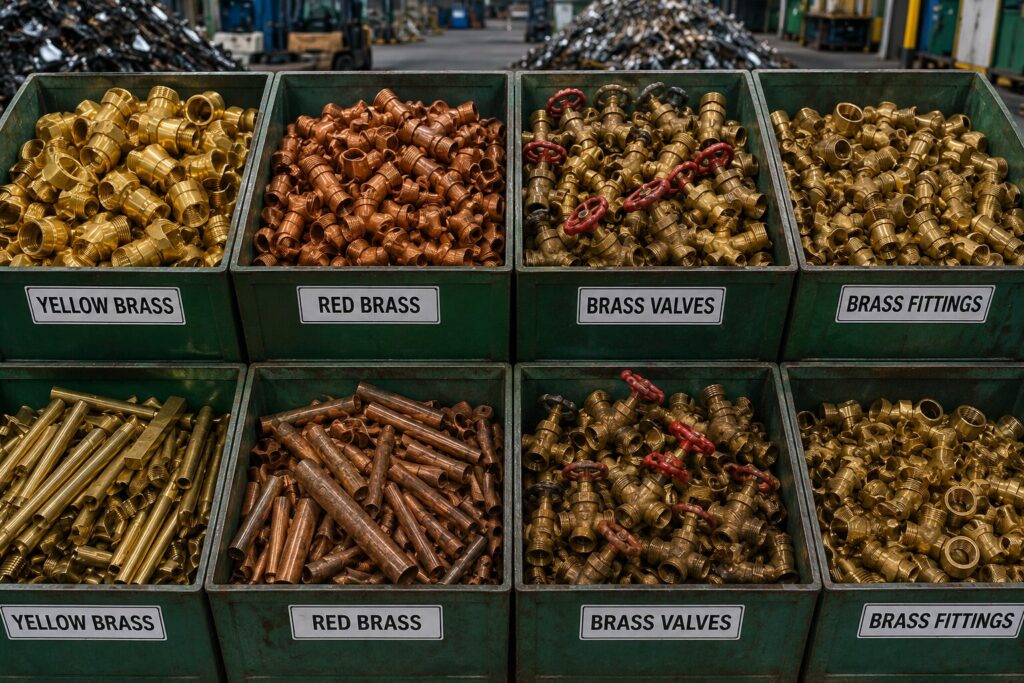
Red Brass
Red brass contains a higher percentage of copper than many other brass alloys.
It is commonly found in:
- Water meters
- Plumbing valves
- Industrial fittings
- Commercial piping
- Marine equipment
Because of its copper content, red brass is often among the more valuable recyclable brass materials.
Yellow Brass
Yellow brass is one of the most common recyclable materials.
It is frequently found in:
- Faucets
- Door hardware
- Locks
- Plumbing fixtures
- Decorative items
Large quantities of clean yellow brass can generate attractive returns when properly sorted.
Brass Plumbing Fixtures
Old plumbing materials are one of the largest sources of recyclable brass.
Examples include:
- Faucets
- Pipe fittings
- Valves
- Couplings
- Water connectors
Removing attached steel, plastic, or rubber parts before recycling can improve the overall value of these materials.
Brass Shell Casings
Spent brass shell casings are another recyclable brass product accepted by many recycling facilities, provided they meet local regulations and recycling requirements.
Clean, sorted shell casings are generally easier to process than mixed metal loads.
How Much Does Metal Recycling Pay for Brass?
One of the most common questions customers ask is how much does metal recycling pay for brass.
The answer depends on several factors rather than one fixed price.
A professional recycler evaluates:
- Brass grade
- Copper content
- Material cleanliness
- Total weight
- Market demand
- Processing costs
- Quantity being sold
Instead of focusing only on advertised prices, choose a recycling company known for transparent grading and certified weighing.
Working with All Metal Recycling gives customers confidence that every load is carefully inspected, accurately weighed, and fairly priced according to current market conditions.
Tips to Maximize Your Brass Scrap Value
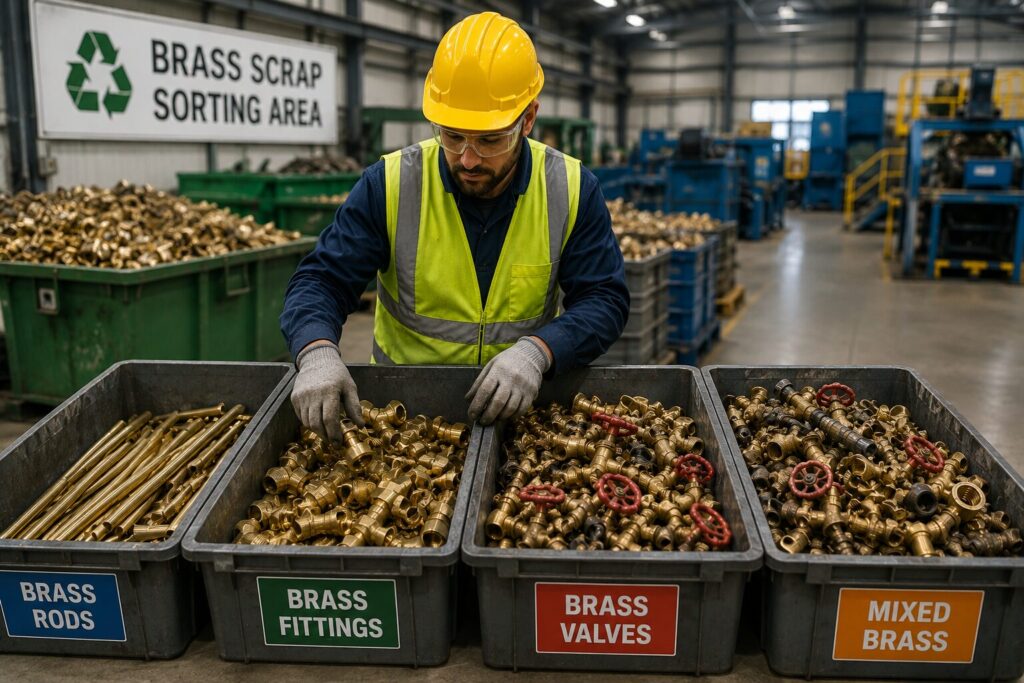
If you want to receive the best possible Brass Scrap Price Per Pound, preparing your materials before visiting a recycling facility is essential.
Some simple ways to increase value include:
- Separate brass from copper, steel, and aluminum.
- Remove rubber, plastic, and steel attachments.
- Sort yellow brass and red brass separately.
- Keep brass clean and dry.
- Collect larger quantities before selling.
- Ask your recycler about accepted brass grades and preparation requirements.
These preparation steps help reduce processing time and can improve the value of your recyclable brass.
Understanding Recycling Center Prices for Brass
Many people compare recycling center prices before selling their brass, but it’s important to understand why prices differ from one recycler to another.
Every recycling facility considers several factors when setting purchase prices, including:
- Current brass market value
- Copper and zinc demand
- Processing costs
- Transportation expenses
- Material quality
- Local supply and demand
A reputable recycler focuses on accurate grading, certified weighing, and transparent pricing instead of advertising unrealistic rates.
If you’re looking for a trusted company with fair pricing and professional service, All Metal Recycling’s Metal Recycling services provide an easy and reliable way to recycle brass and other non-ferrous metals throughout South Florida.
Brass vs. Other Scrap Metals
Brass is one of the most valuable recyclable metals, but many customers also bring copper, aluminum, stainless steel, and steel during the same visit.
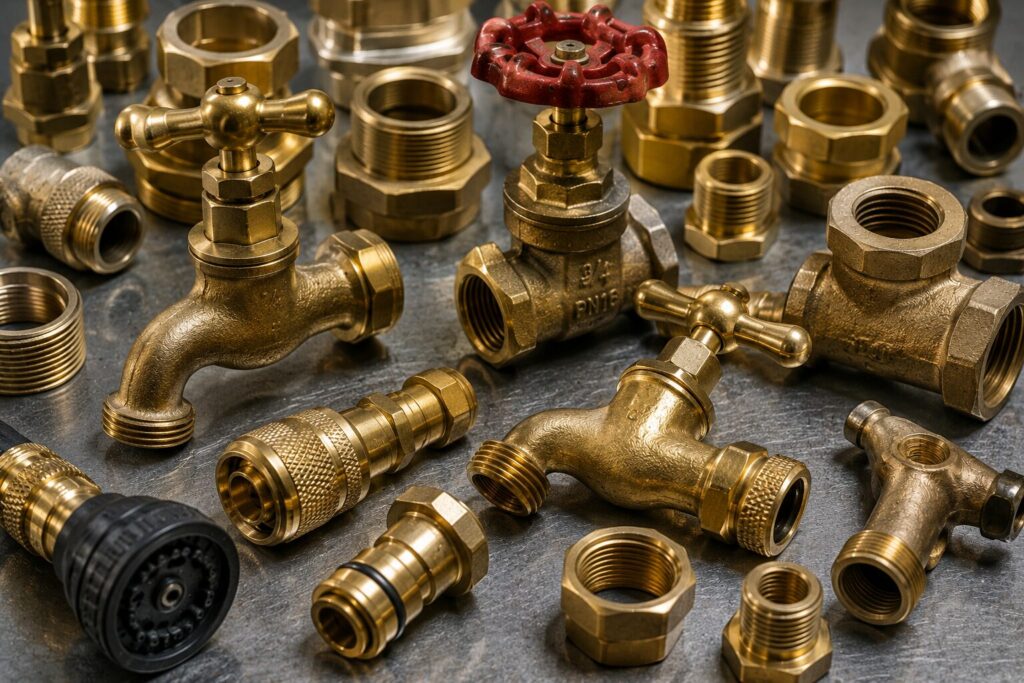
Understanding the differences helps you organize your materials before arriving at the recycling yard.
| Metal | Market Demand | Typical Value | Best Practice |
|---|---|---|---|
| Brass | High | High | Separate by grade |
| Copper | Very High | Very High | Keep clean and separate |
| Aluminum | High | Moderate | Sort by aluminum type |
| Stainless Steel | Moderate | Moderate | Remove contamination |
| Steel | High Volume | Lower | Bundle large quantities |
Brass remains popular because it combines durability, corrosion resistance, and excellent recycling value, making it a preferred material for plumbing, industrial, and construction applications.
Common Household Items Made of Brass
Many people have recyclable brass without realizing it.
Common household sources include:
- Bathroom faucets
- Kitchen faucets
- Door handles
- Door locks
- Keys
- Decorative fixtures
- Garden hose nozzles
- Plumbing valves
- Water shut-off valves
- Light fixtures
Commercial sources include:
- HVAC fittings
- Commercial plumbing systems
- Industrial valves
- Manufacturing equipment
- Marine hardware
- Electrical connectors
When replacing old HVAC systems, you can also take advantage of Air Conditioning Recycling to recycle valuable metal components responsibly.
When Is the Best Time to Sell Brass?
Because the Brass Scrap Price Per Pound changes with market conditions, timing can influence how much you receive.
Although no one can predict future prices with certainty, demand often strengthens when:
- Manufacturing production increases.
- Construction activity rises.
- Copper prices increase.
- Export demand grows.
- Industrial production expands.
If you regularly generate brass scrap through plumbing, demolition, or renovation work, collecting larger quantities before selling may improve efficiency and provide better overall returns.
Mistakes That Can Reduce Brass Scrap Value
Many sellers unknowingly reduce the value of their brass by bringing mixed or contaminated materials.
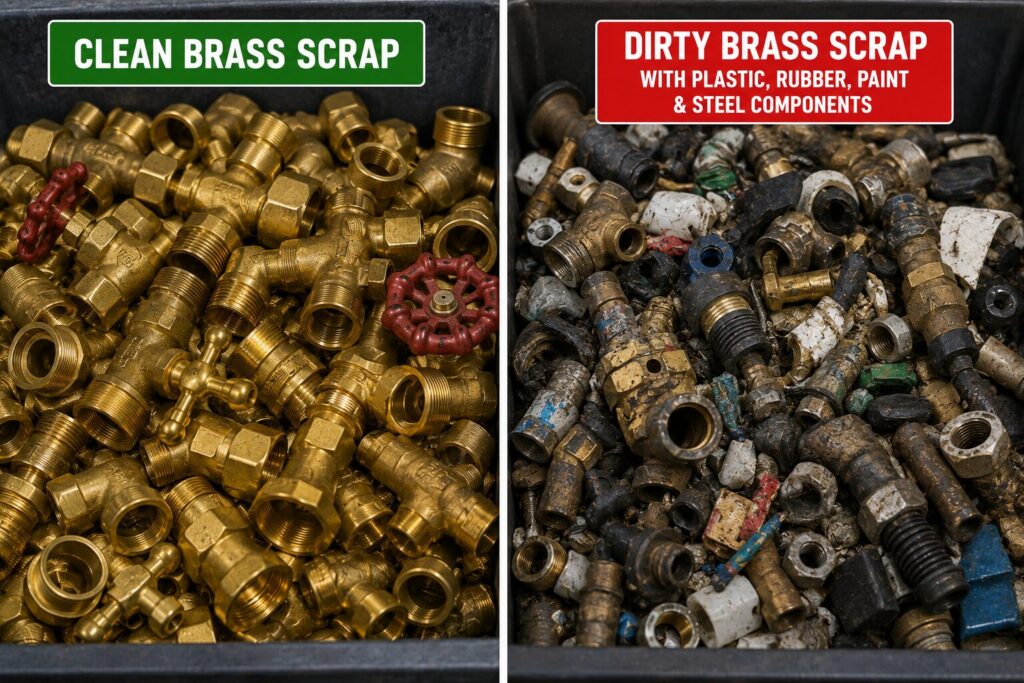
Avoid these common mistakes:
Mixing Different Metals
Brass mixed with steel, aluminum, or copper takes longer to process and may receive lower pricing.
Leaving Attached Components
Plastic, rubber, screws, or steel fittings increase contamination and reduce processing efficiency.
Selling Small Quantities Frequently
Instead of making multiple trips, consider combining your brass into larger loads whenever practical.
Not Sorting Brass Grades
Keeping yellow brass, red brass, and mixed brass separate helps recyclers grade your material more accurately.
Environmental Benefits of Recycling Brass
Recycling brass provides more than financial benefits.
Every pound of recycled brass helps reduce the need for mining new raw materials while conserving valuable natural resources.
Benefits include:
- Reduces landfill waste.
- Conserves copper and zinc resources.
- Uses less energy than producing new brass.
- Supports sustainable manufacturing.
- Lowers greenhouse gas emissions.
- Promotes a circular economy.
By recycling brass, homeowners and businesses contribute to a cleaner environment while recovering value from materials that might otherwise go to waste.
Why Choose All Metal Recycling?
Choosing the right recycling partner is just as important as understanding the Brass Scrap Price Per Pound.
At All Metal Recycling, customers receive:
- Competitive brass pricing
- Honest grading
- Certified digital scales
- Fast unloading
- Friendly customer service
- Residential and commercial recycling
- Convenient South Florida locations
- Transparent recycling process
Whether you’re recycling plumbing materials, industrial brass, or mixed non-ferrous metals, our experienced team works hard to provide reliable service and fair market pricing.
If your recycling project also includes electronic equipment, our Electronic Recycling services make it easy to recycle additional materials responsibly during the same visit.
Serving Customers Across South Florida
All Metal Recycling proudly serves homeowners, contractors, plumbers, electricians, demolition companies, and commercial businesses throughout South Florida.
If you’re searching for a reliable brass recycling company near your area, visit one of our convenient locations:
- Scrap Metal Recycling West Palm Beach
- Scrap Metal Recycling Miami
- Scrap Metal Recycling Fort Lauderdale
Our local facilities provide dependable recycling solutions with competitive pricing and outstanding customer support.
Additional Recycling Services
Many customers recycle several types of metal during one visit.
In addition to brass, All Metal Recycling accepts:
- Copper
- Aluminum
- Stainless steel
- Steel
- Iron
- Electric motors
- Appliances
- Industrial scrap
- Commercial metal waste
If you have an unwanted vehicle, our Sell Your Junk Car service offers another convenient way to recycle valuable metal while earning additional cash.
Learn More About Brass Recycling
If you’re interested in understanding how brass recycling supports sustainability and modern manufacturing, these trusted organizations provide valuable information:
- Recycled Materials Association (ReMA): https://www.recycledmaterials.org/
- U.S. Environmental Protection Agency (EPA) – Recycling: https://www.epa.gov/recycle
- Copper Development Association: https://www.copper.org/
These resources explain the recycling process, environmental benefits, and the importance of recovering valuable non-ferrous metals like brass.
Conclusion
Understanding the Brass Scrap Price Per Pound helps you make informed decisions before selling recyclable materials. While market prices change regularly, factors such as brass grade, copper content, cleanliness, and total weight all influence the value of your scrap.
Preparing your brass properly, separating different grades, and choosing a trusted recycler like All Metal Recycling can help maximize your return while supporting environmentally responsible recycling.
Whether you’re recycling brass plumbing fixtures, industrial fittings, decorative hardware, or commercial scrap, our experienced team is committed to providing fair pricing, professional service, and a simple recycling experience throughout South Florida.
Frequently Asked Questions (FAQs)
1. What is the current Brass Scrap Price Per Pound at All Metal Recycling?
The Brass Scrap Price Per Pound changes based on market demand, brass grade, copper content, and material quality. At All Metal Recycling, we offer competitive pricing using certified scales and transparent grading to ensure every customer receives fair value for their brass scrap.
2. How much does metal recycling pay for brass?
Many customers ask how much does metal recycling pay for brass. The payout depends on factors such as the type of brass, cleanliness, weight, and current market conditions. At All Metal Recycling, we provide market-based pricing for both residential and commercial brass recycling.
3. What types of brass does All Metal Recycling accept?
All Metal Recycling accepts a wide variety of recyclable brass materials, including:
- Yellow brass
- Red brass
- Brass plumbing fixtures
- Brass valves
- Brass fittings
- Brass radiators
- Brass shell casings (where accepted by law)
- Decorative brass
- Industrial brass scrap
Our team carefully grades every load to ensure accurate pricing.
4. How can I get the best Brass Scrap Price Per Pound?
To maximize your Brass Scrap Price Per Pound, we recommend:
- Separating brass from other metals.
- Removing plastic, rubber, and steel attachments.
- Sorting yellow brass and red brass separately.
- Keeping materials clean and dry.
- Bringing larger quantities whenever possible.
These simple steps can improve grading accuracy and increase your potential payout.
5. Why choose All Metal Recycling for brass recycling?
Customers throughout South Florida choose All Metal Recycling because we provide:
- Competitive brass pricing
- Certified digital scales
- Honest material grading
- Fast unloading
- Friendly customer service
- Residential and commercial recycling
- Convenient recycling locations
- Transparent and efficient recycling process
Our goal is to make brass recycling simple, reliable, and rewarding.
6. Does All Metal Recycling serve my area?
Yes. All Metal Recycling proudly serves customers across South Florida, including:
- West Palm Beach
- Miami
- Fort Lauderdale
- Palm Springs
- Greenacres
- Boynton Beach
- Lantana
Whether you’re recycling a few brass fittings or large commercial loads, our team is ready to help.
Conclusion
Knowing the Brass Scrap Price Per Pound is essential for anyone looking to maximize the value of recyclable brass. While prices fluctuate with market conditions, understanding brass grades, preparing your materials properly, and working with a trusted recycler can significantly improve your return.
At All Metal Recycling, we are committed to providing competitive pricing, accurate weighing, and outstanding customer service for homeowners, contractors, plumbers, electricians, and businesses across South Florida. Whether you’re recycling old plumbing fixtures, industrial brass, or commercial scrap, our experienced team makes the process quick, transparent, and environmentally responsible.
If you’re ready to recycle brass, contact All Metal Recycling today and turn your scrap into value while supporting a cleaner, more sustainable future.