
Old electric motors are found in household appliances, industrial machinery, water pumps, air conditioning systems, fans, and manufacturing equipment. When these motors stop working or become outdated, their metal components may still have recycling value.
Understanding Electric Motor Scrap Value can help you make an informed decision before selling unwanted equipment. However, not every motor is worth the same amount. Its weight, internal copper content, aluminum components, overall condition, and current scrap metal market all influence its potential value.
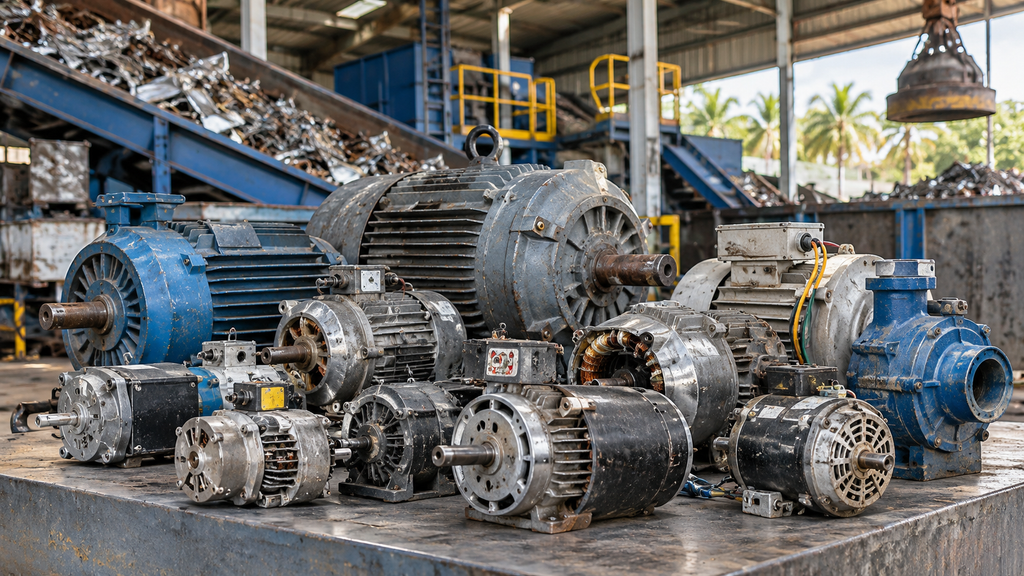
Whether you have an old pump motor, several appliance motors, or industrial equipment from a commercial project, knowing how recycling facilities evaluate these materials can help you prepare for the selling process.
In this guide, we explain what determines motor scrap prices, which motors contain valuable metals, how recycling centers evaluate them, and where you can recycle unwanted electric motors in South Florida.
What Determines Electric Motor Scrap Value?
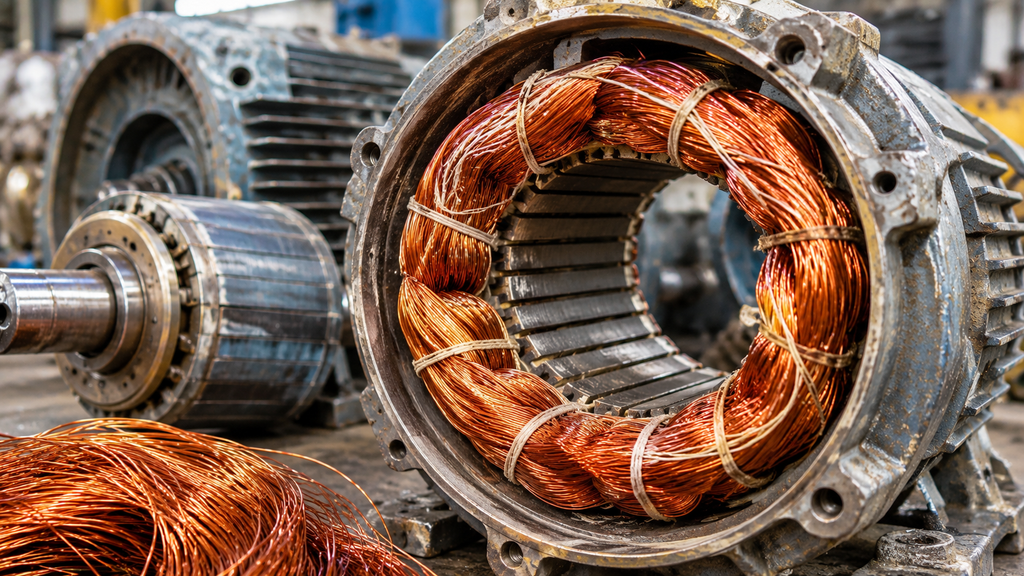
An electric motor contains several materials that can be recovered and recycled. Its outer housing may contain cast iron, steel, or aluminum, while its internal components can include copper or aluminum windings.
Because different metals have different market values, recycling facilities evaluate the motor’s overall material composition rather than simply considering its size.
Here are the main factors that influence its potential value.
1. Copper Content Inside the Motor
Copper is one of the most important materials affecting motor scrap value. It is commonly used in electrical windings because of its excellent electrical conductivity.
Motors containing copper windings generally have greater recycling potential than similar motors with aluminum windings.
However, identifying the winding material from the outside is not always easy. Two motors can look almost identical but contain different internal metals.
Before selling, ask the recycling facility whether it evaluates copper-wound and aluminum-wound motors separately.
2. Motor Weight and Size
Motor weight also plays an important role in determining the final payment.
Larger industrial motors may contain more recoverable metal than small appliance motors. However, a heavier motor does not automatically mean a higher price per pound.
For example:
- Small fan motors generally contain relatively little recoverable metal.
- Water pump motors can contain copper or aluminum windings and steel components.
- Industrial motors may contain substantial quantities of metal.
- Large machinery motors can require additional handling and processing.
The important distinction is between total weight and recoverable metal content.
3. Condition and Completeness
A complete electric motor may be easier for a recycling facility to evaluate than an incomplete unit.
Missing windings, damaged housings, excessive attachments, or contamination can affect how the material is classified.
Before taking your equipment to a recycling center, check whether it contains:
- Its original metal housing.
- Internal winding components.
- Attached wiring or connectors.
- Excessive plastic or rubber parts.
- Oil, grease, or other unwanted materials.
Do not dismantle equipment unnecessarily. Ask the buyer which preparation method is appropriate for your motor.
4. Current Scrap Metal Market Conditions
Metal markets change over time. Copper, aluminum, steel, and iron prices can fluctuate because of industrial demand, manufacturing activity, international supply, and other economic conditions.
This is why the same motor may receive different offers at different times.
When researching recycling center prices, remember that published metal prices are not necessarily the same as the amount a facility pays for an entire electric motor.
A complete motor contains multiple materials that require separation and processing. The final offer reflects those additional considerations.
Which Types of Electric Motors Have Recycling Value?
Electric motors are used in many types of equipment. Some come from everyday household appliances, while others are removed from commercial and industrial machinery.
Understanding their differences helps you identify what you have before contacting a recycler.
Small Appliance Motors
Small motors can be recovered from:
- Ceiling and pedestal fans.
- Washing machines.
- Dryers.
- Kitchen appliances.
- Power tools.
- Small household pumps.
Although these motors are relatively small, their metal components can still be recycled. Their individual value is usually influenced by weight, construction, and winding material.
Water Pump and HVAC Motors
Water pumps and HVAC equipment contain motors that may include copper windings, steel shafts, aluminum housings, and other recyclable materials.
When equipment is replaced during maintenance or renovation, these components can become a useful source of recyclable metal.
Keep motors separate from unrelated scrap whenever practical so their material type can be evaluated more easily.
Industrial Electric Motors
Industrial motors are commonly used in:
- Manufacturing equipment.
- Conveyor systems.
- Commercial pumps.
- Factory machinery.
- Ventilation systems.
- Industrial processing equipment.
These motors can be considerably heavier than household units. Businesses replacing machinery may accumulate multiple motors over time.
For larger quantities, organizing motors by type and size can make the evaluation process more straightforward.
Copper-Wound vs. Aluminum-Wound Motors: Which Is More Valuable?
One of the most important differences when evaluating motor scrap is the winding material.
Copper-wound motors generally have stronger scrap potential because copper is a valuable non-ferrous metal.
Aluminum-wound motors also contain recyclable material, but aluminum usually has a lower scrap value per pound than copper.
Here is a simple comparison:
| Feature | Copper-Wound Motor | Aluminum-Wound Motor |
|---|---|---|
| Winding material | Copper | Aluminum |
| Electrical conductivity | Higher | Lower |
| Scrap metal potential | Generally higher | Generally lower |
| Outer housing | Steel, iron, or aluminum | Steel, iron, or aluminum |
| Recycling potential | Yes | Yes |
It is important to understand that the winding material alone does not determine the final offer. Motor weight, housing composition, attachments, and processing requirements also matter.
The ReMA electric motor scrap specifications describe commercial grading categories for whole and dismantled electric motors, including requirements concerning winding materials and unwanted attachments.
How Much Does Metal Recycling Pay for Old Electric Motors?
This is one of the most common questions people ask before visiting a scrap yard.
The answer depends on the type of motor, the quantity you have, its recoverable metal content, and the market conditions at the time of sale.
There is no single nationwide rate that applies to every electric motor.
For example, a small fan motor and a large industrial motor should not automatically receive the same rate per pound. Their construction, copper content, and processing requirements can be very different.
Why Are Motor Scrap Prices Different Between Recycling Centers?
Different facilities may use different grading methods, processing capabilities, and purchasing requirements.
When comparing how much does metal recycling pay for electric motors, consider these factors:
- Material composition: Copper, aluminum, steel, and iron have different market values.
- Motor classification: Small appliance motors and industrial motors may be evaluated separately.
- Quantity: Larger, consistently sorted loads may be easier to process.
- Condition: Excessive contamination or missing components may affect grading.
- Market demand: Metal prices fluctuate, influencing purchasing offers.
Instead of relying on an outdated online estimate, contact a local recycling facility and describe the motors you want to sell.
What Information Should You Provide for a Quote?
You can make the evaluation process easier by preparing:
- The approximate number of motors.
- Their estimated combined weight, if known.
- Photographs of the motors.
- Their general type or application.
- Whether they are small household or industrial units.
- Any visible information about their construction.
This information helps a recycler understand what materials you have before discussing an appropriate evaluation.
Should You Dismantle an Electric Motor Before Selling It?
Not necessarily.
Some people believe that removing copper windings from every old motor will automatically increase their earnings. However, dismantling requires tools, time, technical knowledge, and additional handling.
It may also create unnecessary safety risks if performed without proper training.
Consider these points before attempting to take a motor apart:
- Internal windings may be difficult to remove.
- Some motors contain aluminum rather than copper.
- Steel housings and shafts still have recycling value.
- Dismantling can damage components or mix different metal grades.
- Processing time may outweigh any additional return.
For many small loads, selling complete motors may be more convenient.
For commercial quantities, ask the recycling facility whether it prefers complete motors or separated materials.
Never open electrical equipment while it is connected to a power source. Capacitors and other components may retain dangerous electrical energy even after equipment has been disconnected. Have qualified personnel handle potentially hazardous equipment.
How to Prepare Old Electric Motors for Recycling
Proper preparation can make your visit to a recycling center easier.
You do not need to perform complicated dismantling to organize your materials.
Follow these practical steps:
Step 1: Separate Different Motor Types
Keep small appliance motors, water pump motors, and large industrial motors in separate groups where possible.
Step 2: Remove Loose Non-Metal Attachments
Remove easily detachable plastic or other non-metal items only when it is safe and practical to do so.
Step 3: Check for Oil and Other Contaminants
Some equipment may contain lubricants or other fluids. Do not drain or dispose of potentially hazardous substances into drains or onto the ground.
Step 4: Keep Potentially Valuable Materials Identifiable
Avoid mixing electric motors with unrelated household waste or general scrap.
Step 5: Contact the Recycling Center
Ask about acceptance requirements, weighing procedures, and current purchasing information before making the trip.
The EPA guidance on scrap metal recycling explains the regulatory treatment of recyclable scrap metal.
Where to Recycle Electric Motors in Lake Worth, Florida?
If you have unwanted electric motors in Lake Worth Beach or surrounding Palm Beach County communities, finding a recycling facility that handles different metal categories can save time.
All Metal Recycling is a metal recycling business located in Lake Worth, Florida. Its metal recycling service lists electric motors, including fan motors, industrial motors, and power tool motors.
The business works with recyclable materials such as:
- Copper.
- Aluminum.
- Brass.
- Steel and iron.
- Electric motors.
- Other accepted scrap metal.
Customers looking for professional metal recycling services in Lake Worth, Florida can explore the facility’s accepted material categories and contact the team for additional information.
Why Choose All Metal Recycling?
All Metal Recycling serves customers in Lake Worth and surrounding South Florida communities.
Its location and services make it a relevant option for people looking to recycle unwanted metal from equipment replacements, maintenance work, and commercial operations.
Here are some useful business details:
- Business: All Metal Recycling
- Address: 4100 S Military Trail, Lake Worth, Florida 33463
- Phone: 561-420-1111
- Service area: Palm Beach, Broward, and Miami-Dade Counties.
Before visiting, contact the team to confirm that your particular motor type and quantity can be accepted and to ask about current purchasing information.
Businesses with larger quantities can also explore commercial scrap metal recycling services to discuss suitable arrangements.
How to Get the Best Possible Return When Selling Electric Motors
Although no recycling facility can guarantee a particular payout without evaluating the material, a few simple steps can help you make a more informed decision.
Keep Motors Sorted
Avoid mixing different motor categories unnecessarily. Separating industrial motors from smaller appliance motors can help with more accurate grading.
Compare Offers Carefully
When comparing recycling center prices, make sure you are comparing the same motor category, weight basis, and material condition.
A higher advertised rate does not always mean a better overall offer if different grading conditions apply.
Understand What Is Being Weighed
Ask whether the buyer is weighing the complete motor or evaluating separated metal components. Understanding the grading method helps avoid confusion.
Ask About Current Market Conditions
Scrap metal values can change. Ask for an updated quote rather than assuming an older online price remains accurate.
Choose a Convenient Local Recycler
Transportation costs, handling requirements, and the quantity of scrap you have can affect the practical value of a recycling trip.
For customers in Palm Beach County, contacting a local business such as All Metal Recycling can help clarify the next steps.
Recycle Your Unwanted Electric Motors with All Metal Recycling
Old electric motors do not have to remain unused in storage or take up valuable space in your workshop.
Their copper, aluminum, steel, and iron components can be recovered through appropriate recycling processes. Understanding their material composition, condition, and weight helps you make better selling decisions.
If you have unwanted fan motors, power tool motors, water pump motors, or industrial electric motors, All Metal Recycling can help you explore your recycling options in Lake Worth, Florida.
Call 561-420-1111 to discuss your materials, confirm acceptance, and ask about current purchasing information.
Visit All Metal Recycling to learn more about its metal recycling services in South Florida.
Frequently Asked Questions
1. How much is an old electric motor worth?
The value depends on its weight, copper or aluminum winding content, condition, and current metal market. All Metal Recycling can help customers in Lake Worth, Florida, explore recycling options for accepted electric motors.
2. Does All Metal Recycling accept electric motors?
Yes. All Metal Recycling lists fan motors, industrial motors, and power tool motors among its accepted scrap metal categories. Contact the team at 561-420-1111 to confirm your specific material.
3. Can I recycle copper-wound and aluminum-wound motors?
Both types contain recyclable materials, although their metal composition and potential scrap value differ. All Metal Recycling provides metal recycling services in Lake Worth, Florida. Contact the business to discuss your motors.
4. Where can I recycle old electric motors in Palm Beach County?
All Metal Recycling is located at 4100 S Military Trail, Lake Worth, Florida 33463. It serves Palm Beach County and surrounding South Florida areas. Call 561-420-1111 for information about recycling your motors.
5. Does All Metal Recycling accept industrial electric motors?
All Metal Recycling lists industrial motors among its accepted metal categories. Businesses with larger quantities can contact the team to discuss material acceptance and suitable commercial recycling arrangements.
6. Should I remove copper windings before recycling an electric motor?
Not necessarily. Selling a complete motor may be more convenient than dismantling it yourself. All Metal Recycling can help clarify the appropriate requirements for the motor type you want to recycle.