
When an old vehicle stops running, many owners assume it has nothing left to offer. However, even a damaged, outdated, or non-running car can contain recyclable materials that still have value. From aluminum wheels and copper wiring to radiators and automotive batteries, several vehicle components can be recovered and processed instead of ending up in a landfill.
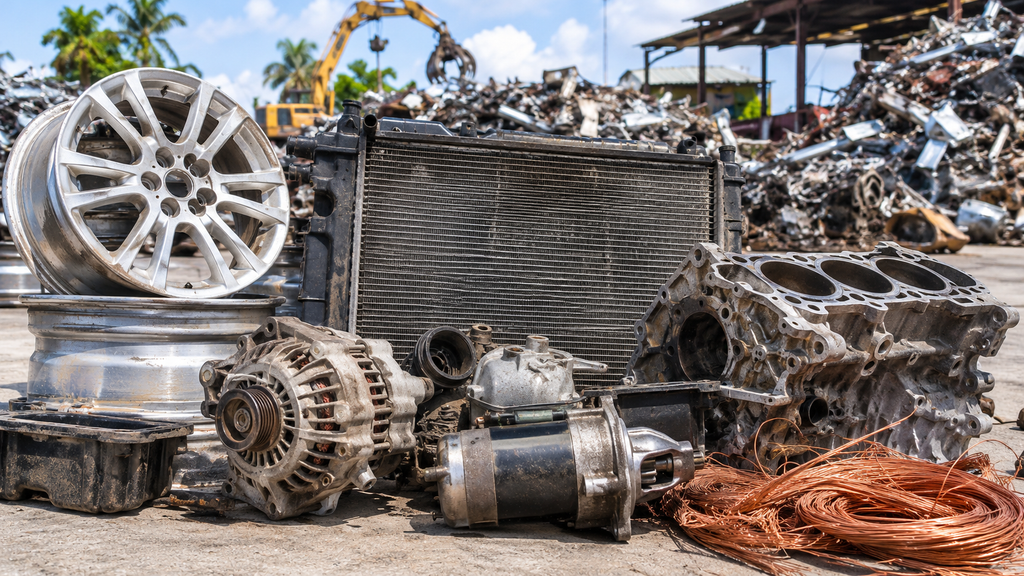
Understanding What Car Parts Are Worth Scrapping can help you identify valuable materials before deciding how to recycle an unwanted vehicle. Some components contain non-ferrous metals that are commonly in demand at recycling facilities, while others may have greater value when they are still functional and suitable for reuse.
If you have an old vehicle or unwanted automotive components in South Florida, All Metal Recycling can help you explore responsible recycling options. Here is what you should know about valuable car parts, scrap pricing, and preparing automotive materials for recycling.
1. Aluminum Car Rims and Wheels
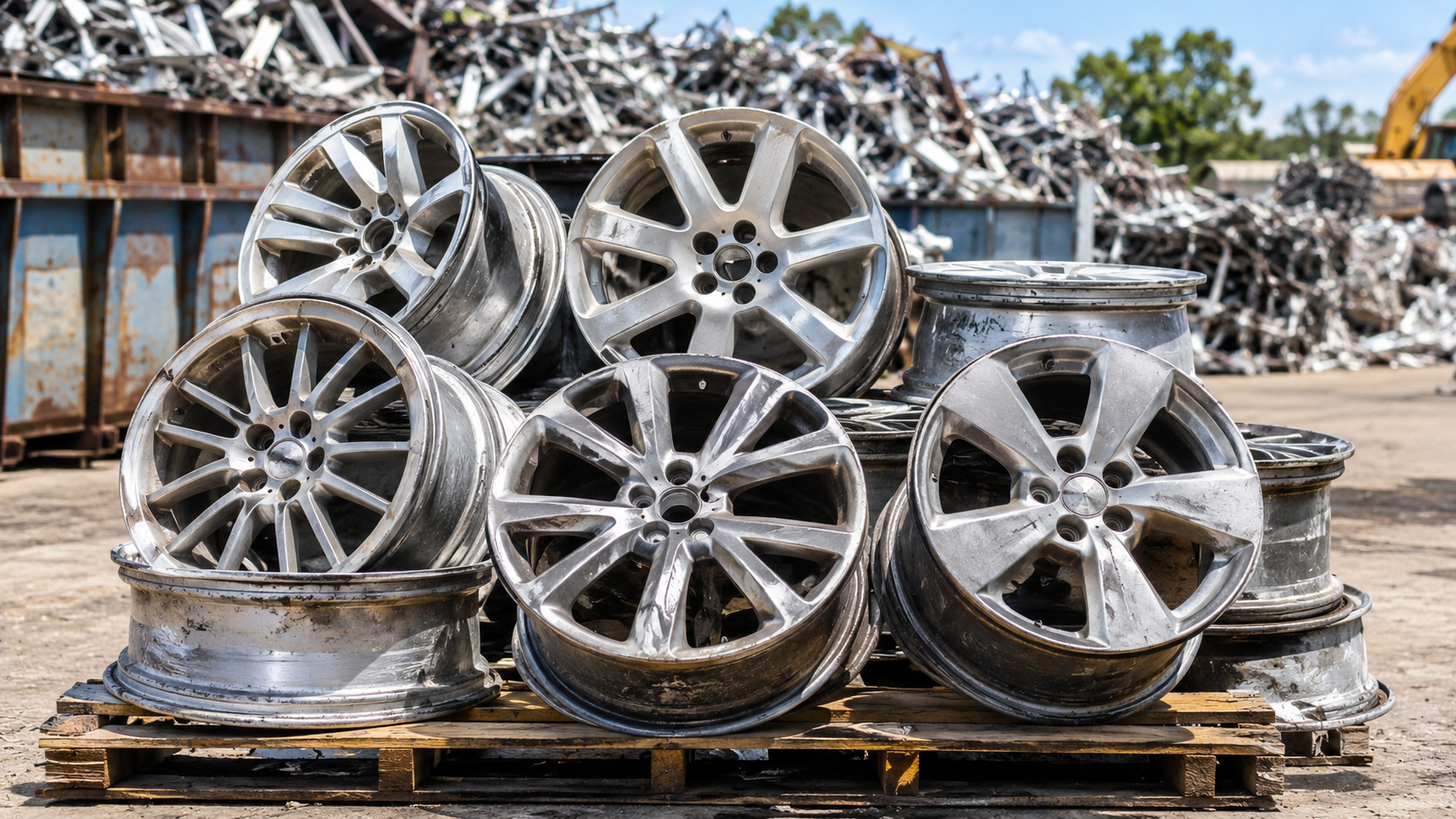
Aluminum wheels are among the recognizable automotive components worth separating for recycling. Many modern vehicles use aluminum alloy rims because they are lightweight, durable, and resistant to corrosion.
Unlike ordinary steel wheels, aluminum rims contain a non-ferrous metal that generally has a higher scrap value per pound than common steel. The final amount depends on the wheel’s weight, metal grade, condition, and whether other materials remain attached.
Before recycling, identify whether your wheels are aluminum alloy or steel. Some wheels have decorative covers or other non-metal components that affect their classification. Removing tires should be handled by an appropriate tire service rather than attempting unsafe dismantling.
If you have old aluminum wheels, ask a local recycler about accepted grades and current rates. All Metal Recycling accepts automobile rims as part of its metal recycling services.
2. Automotive Radiators
Radiators are another useful source of recoverable metal. Their construction varies depending on the vehicle’s age and manufacturer. Some contain aluminum cores with plastic tanks, while older models may contain copper and brass components.
Copper and brass are valuable non-ferrous metals, while aluminum is also widely recycled. However, not every radiator receives the same price. Its metal composition, cleanliness, weight, and condition determine how a recycling facility classifies it.
A radiator containing mixed materials may receive a different rate from a clean, separately graded metal component.
If you have an old radiator from a vehicle repair or replacement, consider taking it to a professional recycling facility instead of throwing it away. Proper recycling helps recover useful metals and reduces unnecessary waste.
3. Car Batteries
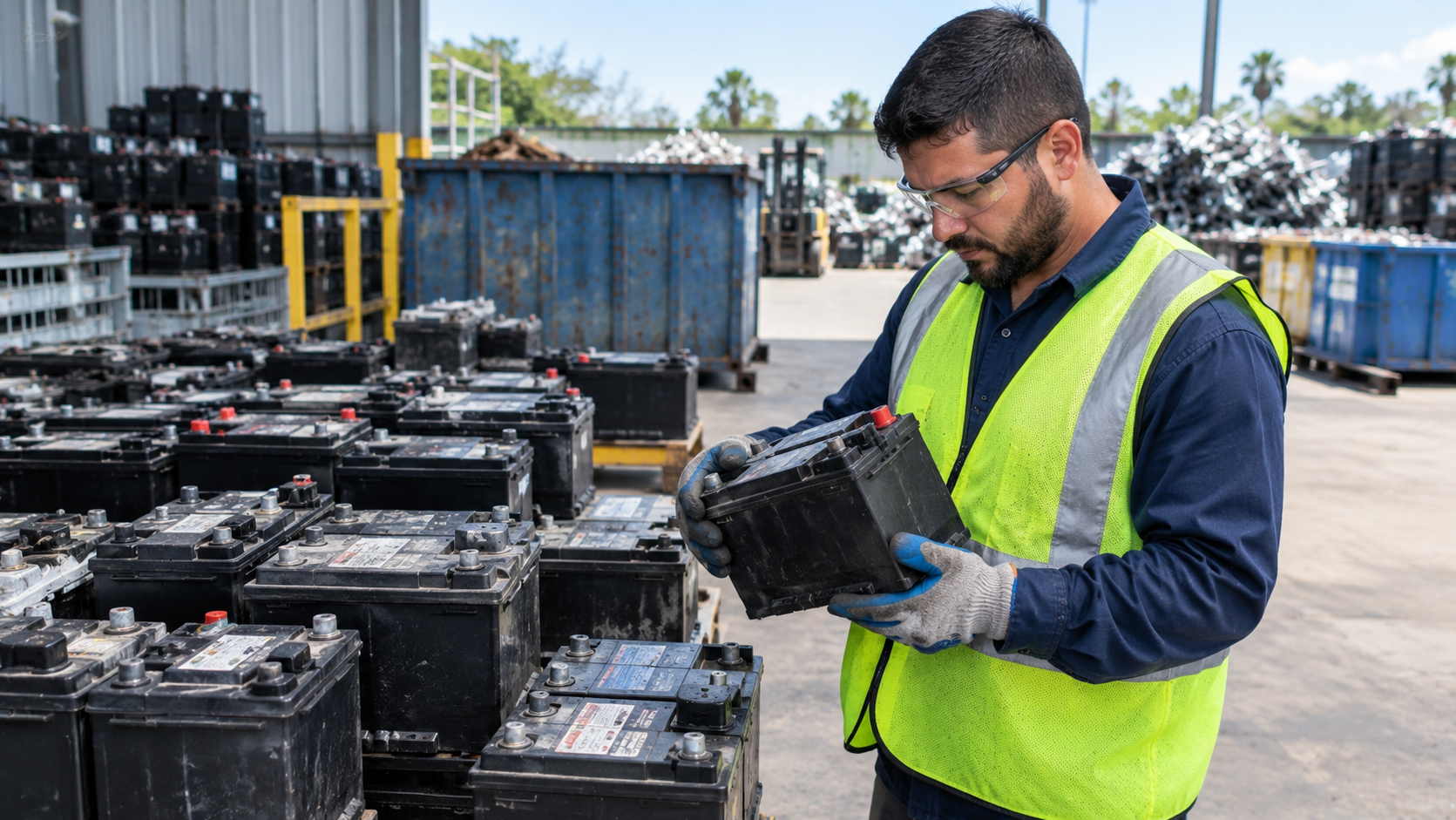
Used automotive batteries contain lead and other materials that require responsible handling. Traditional lead-acid batteries are particularly important in the recycling industry because their lead components can be recovered and used in manufacturing new products.
However, car batteries should never be treated like ordinary household scrap. They contain corrosive electrolyte and can leak if damaged or handled incorrectly.
Do not open, drain, break, or dismantle a used battery yourself. Keep it upright and arrange proper handling through an appropriate battery collection or recycling facility.
The U.S. Environmental Protection Agency provides guidance on automotive battery recycling and safe disposal.
When considering What Car Parts Are Worth Scrapping, batteries deserve attention because they contain recoverable materials, but their recycling value and acceptance requirements differ from ordinary metal components.
4. Alternators
An alternator generates electricity for a vehicle’s electrical system and helps recharge its battery. Inside the unit are copper windings, aluminum components, steel, and other materials.
These mixed-metal components make alternators useful items for automotive recycling. Copper contributes to their material value, while the remaining metal parts can also be recovered through suitable processing.
A working alternator may be worth more as a reusable automotive component than as mixed scrap. If it no longer functions, a recycling facility may classify it according to its material composition.
Avoid dismantling an alternator just to extract its copper. The effort, equipment, and possible safety risks may outweigh the additional return. Ask the recycler whether it accepts complete electric motors and automotive components.
5. Starter Motors
Starter motors are responsible for turning the engine over when you start a vehicle. Like alternators, they contain copper windings and several types of metal.
Their value depends on their weight, construction, metal content, and whether they are suitable for reuse or need to be processed as scrap.
A functional starter motor may have a resale or core value, depending on the vehicle and demand for replacement components. A damaged unit may still contain recyclable materials.
If you are sorting old automotive components, keep starter motors separate from ordinary steel where possible. This can make material identification and pricing easier at a recycling facility.
6. Copper Wiring and Electrical Components
Copper wiring is one of the more valuable materials found throughout a vehicle. Electrical harnesses connect components such as lights, sensors, control systems, and other electronic equipment.
Copper is widely used because it conducts electricity efficiently and can be recycled repeatedly. However, automotive wiring often contains plastic insulation, connectors, and mixed materials.
The grade and condition of the wire influence its classification. Clean, properly graded copper generally receives a different rate from insulated or mixed wiring.
Modern vehicles also contain electronic modules and circuit boards. These components may contain recoverable metals and should be evaluated through an appropriate electronics recycling process.
For additional information about handling old electronic equipment, explore All Metal Recycling’s electronic recycling services.
7. Aluminum Engine Components
Vehicle engines contain several different materials, including aluminum, iron, and steel. Some engine blocks and cylinder heads are manufactured using aluminum because it is relatively lightweight and offers useful heat-transfer properties.
Aluminum engine components can be recycled and processed into new metal products. However, an engine’s total value depends on its construction and the amount of recoverable aluminum it contains.
A complete engine may also have reusable components. If it still operates or has parts in working condition, its resale value could be greater than its value as scrap metal.
Never assume that every engine should be dismantled before recycling. Compare the potential reuse value with the material value and ask a qualified buyer about the best option.
8. Transmission Components and Gearbox Housings
Transmissions contain a combination of aluminum, steel, iron, and other materials. Some gearbox housings are made from aluminum, making them useful sources of recyclable non-ferrous metal.
A working transmission may have value in the used automotive parts market. However, a damaged or unusable transmission can still contain metal that may be recovered through professional recycling.
Oil and other automotive fluids must be managed appropriately. Do not pour transmission fluid onto the ground or into household drains.
If you have an old gearbox or transmission, check with a recycling facility before transporting it. The facility can explain its material acceptance requirements and whether it handles complete automotive assemblies.
9. Catalytic Converters
Catalytic converters are important vehicle emission-control components. They contain small quantities of precious metals, including platinum, palladium, and rhodium, which help reduce harmful exhaust emissions.
These metals are one reason catalytic converters can have significant recovery value. However, prices vary considerably depending on the original converter, vehicle application, precious-metal content, and current market conditions.
Not every catalytic converter has the same value. Original equipment and replacement units may differ significantly in their material composition.
There are also legal considerations when selling these components. Catalytic converters can be targets for theft, so legitimate ownership documentation and applicable Florida requirements matter.
Never remove a converter from a vehicle that you do not own or have authorization to dismantle. Contact a legitimate recycling or specialist buyer to understand its requirements.
10. Steel Body Panels, Doors, and Frames
Not every valuable recyclable car component contains copper or aluminum. Steel remains one of the largest recoverable materials in an end-of-life vehicle.
Doors, hoods, trunks, body panels, frames, and structural components can contribute substantial weight to a scrap-metal load.
Although steel usually has a lower price per pound than copper or certain aluminum grades, its total weight can make it an important part of a vehicle’s recycling value.
Separating reusable parts from recyclable metal should be done professionally. Vehicles may also contain fluids, airbags, batteries, and other materials that require special handling before processing.
How Much Does Metal Recycling Pay for Car Parts?
One of the most common questions vehicle owners ask is how much does metal recycling pay when they bring automotive components to a recycling facility.
There is no universal payout for every car part. A recycling center evaluates the material being brought in and considers several factors before determining its offer.
These include:
- Metal type: Copper, brass, and aluminum generally have different market values from ordinary steel and iron.
- Weight: Heavier loads can generate higher total payouts when the material has an accepted scrap grade.
- Metal grade: Clean, identifiable materials may receive better rates than mixed or contaminated scrap.
- Condition: Functional components may have additional resale value, while damaged components are generally evaluated for their recoverable materials.
- Market demand: Scrap metal prices fluctuate according to commodity markets, supply, demand, and regional conditions.
For example, an aluminum wheel, copper wiring bundle, and steel body panel should not automatically receive the same price per pound. Each material needs to be identified and weighed according to its grade.
If you want to understand current recycling center prices, contact a local facility before making a trip. Rates can change, so an old online price list should not be treated as a guaranteed offer.
All Metal Recycling provides metal recycling services in Lake Worth, Florida, where customers can ask about accepted materials and current pricing.
What Affects the Value of Scrap Car Parts?
Before taking automotive scrap to a recycling facility, it helps to understand why two similar-looking components may receive different offers.
1. Material composition: A radiator containing copper and brass may be classified differently from an aluminum radiator with plastic tanks.
2. Weight and quantity: Larger quantities of accepted scrap can increase the total payout, although the rate per pound still depends on material grade.
3. Separation and contamination: Mixed materials, attached plastics, dirt, and other unwanted substances can affect grading and processing.
4. Local market conditions: Commodity prices and regional demand influence what recycling facilities can offer.
5. Reuse potential: An operational engine, transmission, alternator, or starter may be worth evaluating for reuse before being sold strictly for its metal content.
Understanding these factors makes it easier to compare offers and avoid unrealistic expectations about scrap prices.
How to Prepare Car Parts for a Recycling Center
Preparing automotive materials properly can make the recycling process easier and safer.
- Identify the components: Make a basic list of the parts you want to recycle, such as rims, radiators, wiring, or metal assemblies.
- Separate different metals: Keep recognizable aluminum, copper, brass, and steel materials apart when practical.
- Avoid hazardous dismantling: Do not open batteries, cut pressurized components, or attempt to remove refrigerants.
- Manage automotive fluids: Oil, coolant, fuel, and transmission fluid require appropriate collection and disposal.
- Check acceptance requirements: Contact the facility before transporting unusual or potentially hazardous automotive components.
- Ask about current rates: Request pricing information for the specific material and grade you have.
Vehicle air-conditioning systems require particular care. Refrigerant must not be intentionally released into the atmosphere. The EPA explains the applicable requirements for motor vehicle air-conditioning refrigerant servicing.
If your unwanted vehicle still has its air-conditioning system or other components intact, professional handling is preferable to removing everything yourself.
Recycle Automotive Scrap Metal with All Metal Recycling
When you have unwanted automotive metal, old vehicle components, or an end-of-life car, choosing a professional recycling facility can help you recover useful materials responsibly.
All Metal Recycling serves customers in Lake Worth and surrounding South Florida communities. The facility accepts various recyclable metal categories, including automobile rims, radiators, copper, brass, aluminum, lead materials, and other accepted scrap.
Customers looking for scrap metal recycling in West Palm Beach can explore local recycling options through All Metal Recycling.
The company also purchases unwanted and damaged vehicles. If your car is no longer roadworthy, you can learn more about selling your junk car for cash. All Metal Recycling buys vehicles in different conditions, including accident-damaged and collision-damaged cars, and provides free pickups and instant cash payments throughout Palm Beach County.
For customers with automotive cooling equipment or complete air-conditioning units, the company also offers air conditioner recycling.
Residents and businesses in Boynton Beach can also explore local scrap metal recycling options through All Metal Recycling.
Rather than allowing unwanted metal to accumulate in your garage, driveway, or business property, consider contacting a local recycling facility to discuss accepted materials and current rates.
Call All Metal Recycling at 561-420-1111 to ask about recycling options and request information about your unwanted vehicle or scrap metal.
Frequently Asked Questions
1. What car parts are worth scrapping the most?
Catalytic converters, copper wiring, aluminum wheels, radiators, alternators, starter motors, and certain engine components can contain valuable recoverable materials. Their actual value depends on metal content, condition, weight, and current market rates.
2. Does All Metal Recycling accept automotive scrap metal?
Yes. All Metal Recycling accepts various metal categories, including automobile rims, radiators, aluminum, copper, brass, and other accepted recyclable materials. Contact the facility to confirm whether your specific automotive component is accepted.
3. Can I sell a damaged or non-running car to All Metal Recycling?
Yes. All Metal Recycling purchases unwanted vehicles in different conditions, including non-running, accident-damaged, hit, and collision-damaged cars. Call 561-420-1111 to discuss your vehicle and request a quote.
4. How much does All Metal Recycling pay for scrap car parts?
The payout depends on the material type, weight, grade, and current market conditions. Contact All Metal Recycling directly for current pricing and information about the automotive materials you want to recycle.
5. Does All Metal Recycling provide free junk car pickup?
Yes. All Metal Recycling provides free junk car pickups and instant cash payments throughout Palm Beach County. Contact the team to discuss your vehicle’s location, condition, and pickup arrangements.
6. Where can I recycle old car parts in Palm Beach County, Florida?
You can contact All Metal Recycling in Lake Worth, Florida, for information about accepted automotive scrap metals and recycling options. The company serves surrounding communities, including West Palm Beach, Boynton Beach, Greenacres, Lantana, and other South Florida areas.
Turn Your Automotive Scrap into Recyclable Value
Old automotive components do not have to become unnecessary waste. By identifying recyclable metals and choosing responsible recycling options, you can recover useful resources while clearing unwanted materials from your property.
Contact All Metal Recycling today at 561-420-1111 to discuss your automotive scrap metal and junk car recycling needs in South Florida.