
An old water heater can take up valuable space in a garage, storage area, commercial property, or construction site. Once a tank starts leaking, stops heating properly, or is replaced during a renovation, many property owners are left wondering what to do with the old unit.
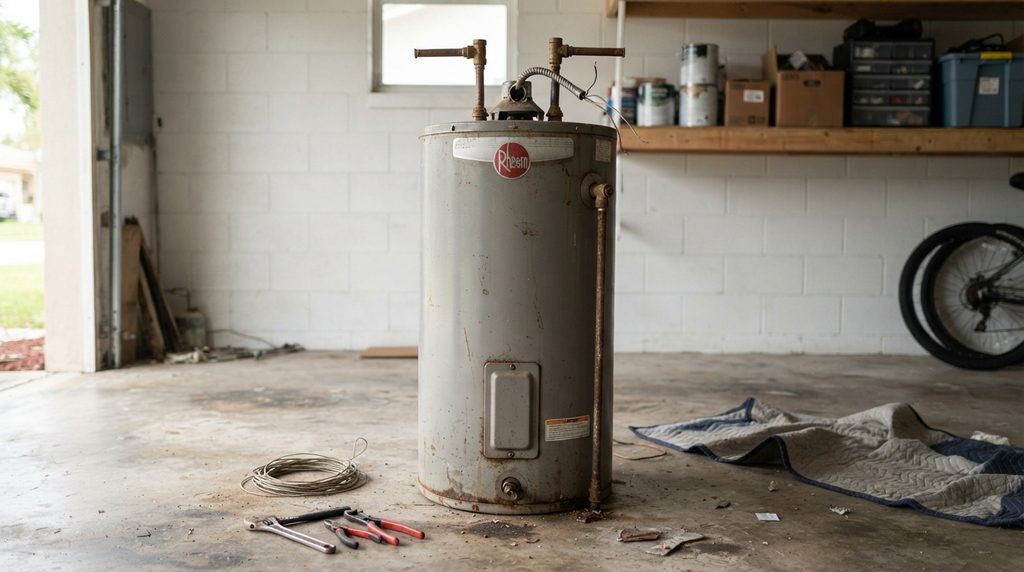
Throwing it away may seem like the easiest option, but a water heater contains recyclable metal that can potentially be recovered instead of being sent directly to a landfill.
That is where water heater recycling comes in.
Old water heaters are commonly made with steel tanks and may also contain copper, aluminum, brass, wiring, and other components. The exact materials depend on the design, age, fuel type, and manufacturer of the unit.
If you are wondering how to recycle a water heater, whether an old unit has scrap value, or what affects recycling center prices, this guide explains what to know before taking your water heater to a scrap metal recycling facility.
Why Recycle an Old Water Heater?
Water heaters are considered major appliances or “white goods.” The EPA includes water heaters among common major household appliances that can be managed as scrap and recycling materials.
A typical water heater contains a large metal tank. Depending on the model, it can also contain copper pipes, brass fittings, aluminum components, electrical wiring, heating elements, insulation, and other materials.
Instead of treating the entire appliance as ordinary waste, recycling allows useful materials to enter the appropriate recovery stream.
Recycling can also be practical when replacing a water heater during a home renovation. Rather than leaving the old tank behind the property or occupying space in a garage, you can arrange for appropriate recycling and potentially recover some value from the recyclable materials.
However, preparation matters. A water heater is not simply a metal container, and the correct handling process depends partly on whether it is electric, gas-powered, or another type.
How Does Water Heater Recycling Work?
Understanding water heater recycling starts with knowing what happens to the appliance after it reaches a recycling facility.
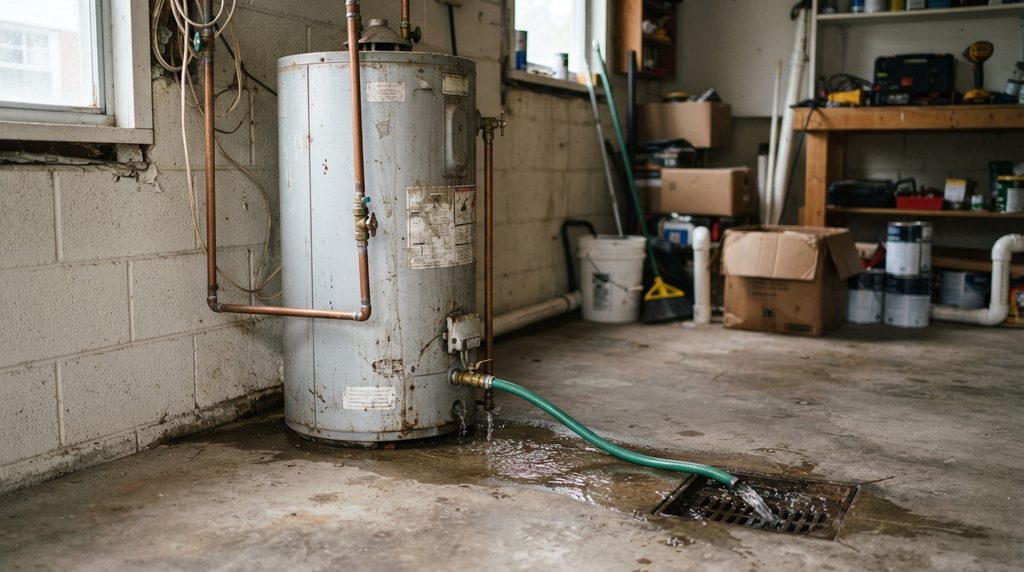
The first step is generally inspection and material identification.
A recycler may determine:
- What type of water heater it is
- Whether it is electric or gas-powered
- What metals and components are present
- Whether the tank is complete
- Whether other materials need to be separated
- How the material should be classified
Once the unit is appropriately prepared, recyclable components can be separated and processed.
The large steel tank is often the primary source of recyclable metal, while copper, aluminum, brass, wiring, and other components may have separate material classifications.
The EPA notes that major appliances can be valuable sources of scrap metal and that the amount of metal in an appliance can influence whether it is recycled or disposed of as solid waste.
If you regularly deal with multiple types of scrap, you can also learn more about metal recycling services before organizing your materials.
How to Prepare a Water Heater for Recycling
Before searching for a water heater recycling center, make sure the old unit is prepared safely.
1. Disconnect the Water Heater Properly
If the water heater is still installed, it should be disconnected by following appropriate plumbing, electrical, and gas-safety procedures.
For a gas water heater, the gas supply must be handled safely.
For an electric unit, the electrical supply must be disconnected appropriately.
If you are not qualified to disconnect these connections, hiring a qualified professional is safer than attempting the work yourself.
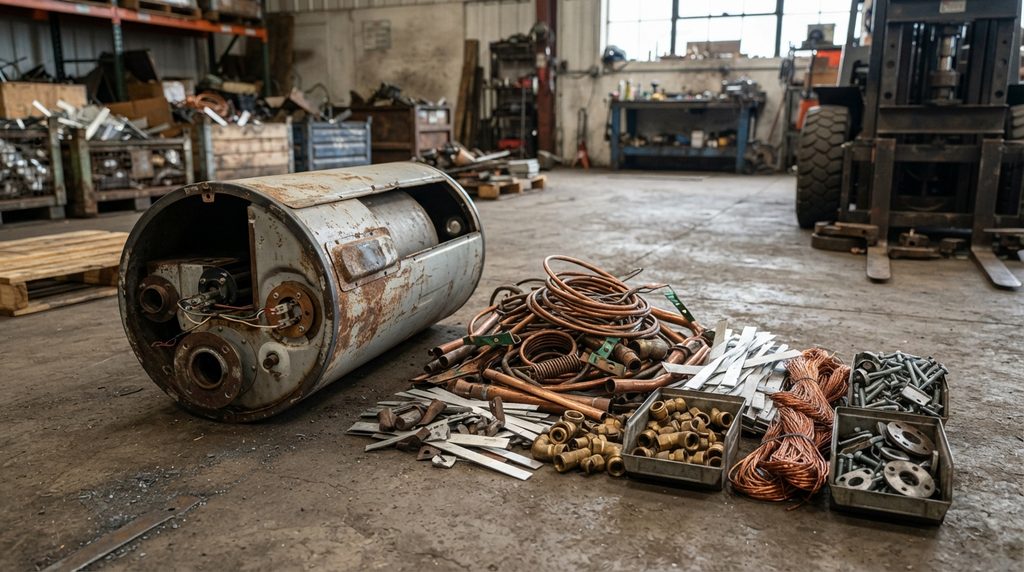
2. Drain the Tank
An old water heater can hold a substantial amount of water.
Before transportation, the tank should be properly drained according to the manufacturer’s instructions and applicable safety procedures.
A full water heater is considerably heavier than an empty one, so draining it can also make transportation more manageable.
3. Remove Loose Debris
If there are loose pieces, packaging, or unrelated materials around the tank, remove them before taking the unit for recycling.
Do not remove components simply because they appear to contain valuable metal unless the recycling facility specifically recommends doing so.
4. Confirm the Recycling Facility’s Requirements
Before loading a water heater into a vehicle, contact the recycling facility and ask whether it accepts the specific type of unit you have.
Questions to ask include:
- Do you accept electric water heaters?
- Do you accept gas water heaters?
- Does the unit need to be drained?
- Should fittings remain attached?
- Are there preparation requirements?
- How is the water heater classified?
- What are the current pricing procedures?
- Is pickup available for qualifying commercial quantities?
This can save you from making an unnecessary trip.
Electric vs. Gas Water Heater Recycling
Not every water heater is identical.
An electric water heater and a gas water heater can contain different components, which may affect how the unit is prepared and evaluated.
Electric Water Heaters
Electric water heaters generally contain a steel storage tank, insulation, heating elements, electrical wiring, fittings, and other components.
Depending on the unit, certain parts may contain copper or other recyclable metals.
Gas Water Heaters
Gas water heaters also commonly contain a steel tank and may include additional components associated with combustion and gas operation.
Because gas connections and other components can present safety concerns, the unit should be properly disconnected before transportation.
The important point is that homeowners should not assume every water heater should be dismantled in exactly the same way.
Ask the recycling facility how it wants the appliance delivered.
How Much Is an Old Water Heater Worth?
One of the most common questions people ask before recycling an appliance is how much money they can receive.
The answer depends on the unit and current scrap-market conditions.
If you are researching how much does metal recycling pay, remember that the amount is not determined by the appliance’s retail price or original purchase price.
A recycler may consider:
- Total weight
- Type of metal
- Material grade
- Quantity
- Current market conditions
- Condition of the unit
- Amount of recoverable material
- Local demand
- Processing requirements
A large steel water heater and a load of clean copper should not automatically be expected to have the same price per pound.
The best way to understand the potential value of your unit is to contact a local recycler and ask how that particular water heater is currently classified.
What Are Recycling Center Prices for Water Heaters?
Recycling center prices can change as scrap-metal markets change.
For that reason, an old price list found online may not reflect what a local facility is currently paying.
When contacting a recycling center, provide as much information as possible.
For example, tell them:
- Water heater type
- Approximate tank size
- Number of units
- Whether the tank is complete
- Whether it has already been drained
- Whether you have other scrap metal
If you have several water heaters from a property renovation or commercial replacement project, mention the quantity.
A larger quantity may require a different handling or pickup arrangement than a single household unit.
Can You Sell an Old Water Heater for Scrap?
Yes, an old water heater may have scrap value because it contains recyclable metal.
If you want to sell an old water heater, start by finding a recycling facility that accepts the type of appliance you have.
Do not judge the potential value only by looking at the tank.
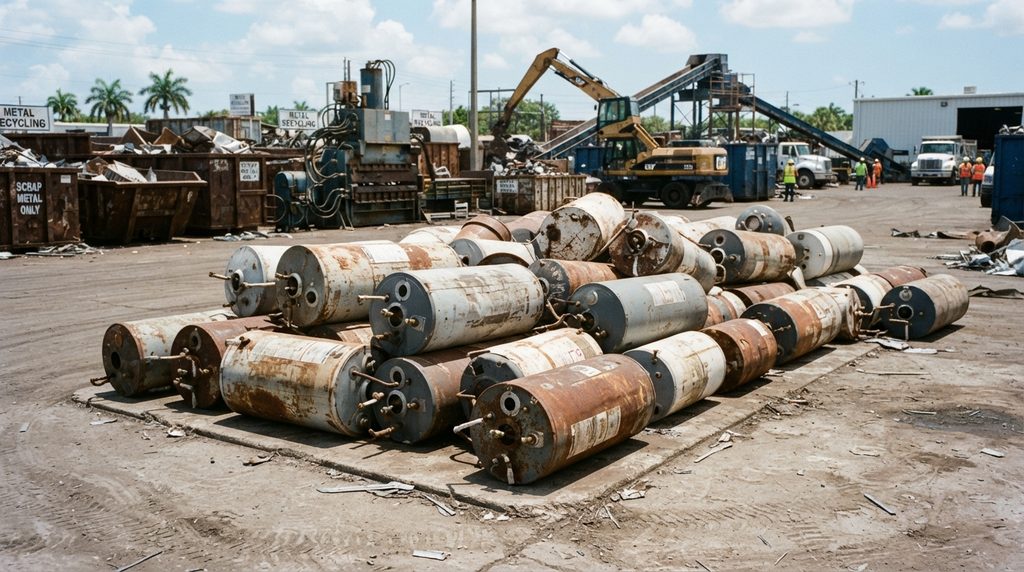
The unit may contain several different materials, and the recycler may evaluate it according to its overall composition and current market conditions.
If you are preparing several items for recycling, separating different materials can also make the process easier.
For example, copper tubing, aluminum, brass, steel, and wiring may have different classifications.
If your property cleanup also includes old electronic equipment, keep those materials separate and consider an appropriate electronic recycling service rather than mixing them with appliance scrap.
Should You Take Apart a Water Heater Before Recycling?
In most situations, you should not assume that dismantling the entire water heater will automatically increase its value.
It can be tempting to remove every fitting, heating element, pipe, or component that appears to contain valuable metal.
However, unnecessary dismantling can create additional work and may expose you to sharp edges, heavy components, residual water, electrical parts, or other hazards.
The recycling facility may already have its own process for separating materials.
Before taking anything apart, ask the recycler whether it prefers the water heater intact or partially prepared.
This approach can save time and help ensure that materials enter the correct recycling stream.
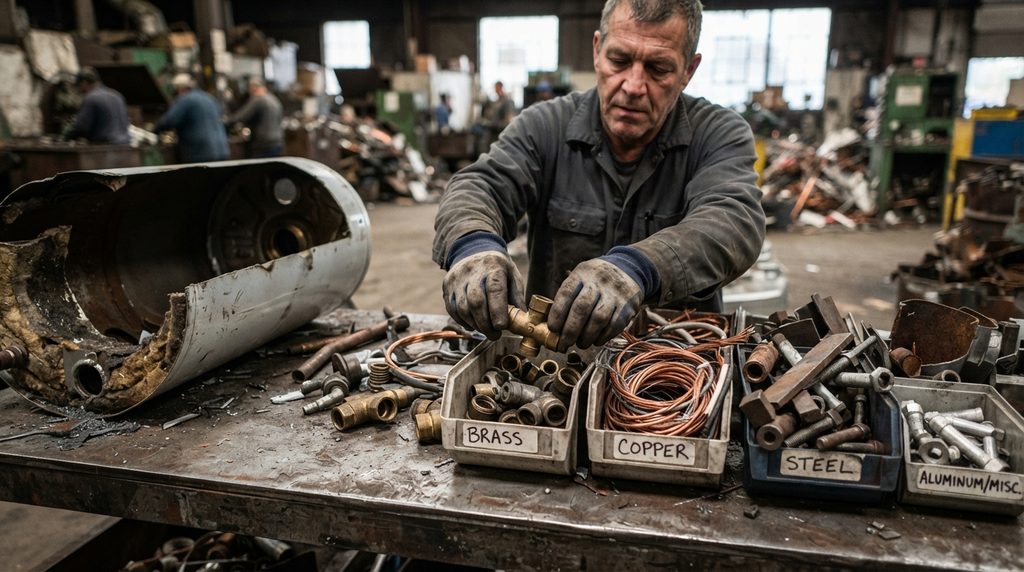
What Metals Can Be Recovered From a Water Heater?
The exact material composition depends on the unit, but an old water heater may contain several recyclable materials.
Steel
Steel is commonly used for the main storage tank and exterior components.
Copper
Copper may be present in pipes, fittings, wiring, or heating-related components depending on the water heater design.
Aluminum
Certain water heater components may contain aluminum.
Brass
Brass can appear in fittings, valves, and plumbing connections.
Electrical Components
Electric models can contain wiring and heating elements that may include recoverable metals.
The EPA has documented that major appliances such as water heaters can be segregated for recycling and that scrap value can help support separation and processing.
This makes an old water heater a potentially useful source of recyclable material rather than simply a bulky piece of waste.
What Should You Do With a Leaking Water Heater?
A leaking water heater requires extra care.
Do not attempt to transport a severely damaged or unstable tank without assessing the situation first.
If the unit is still connected to utilities, have the appropriate supply disconnected safely.
If the tank has sharp rusted areas or structural damage, avoid handling it unnecessarily.
Contact the recycling facility and explain the condition of the unit before arranging transportation.
Providing this information allows the recycler to tell you what preparation is appropriate.
Where Can You Recycle a Water Heater in South Florida?
If you are located in South Florida and have an old water heater taking up space, a local scrap metal recycler may be a practical option.
All Metal Recycling serves customers with qualifying recyclable metal materials and can help property owners determine the appropriate recycling process for their scrap.
Customers near West Palm Beach can explore scrap metal recycling in West Palm Beach when looking for a local option.
If you are closer to Palm Springs, you can also review scrap metal recycling in Palm Springs before arranging your recycling trip.
Always contact the facility before transportation to confirm that your particular water heater is accepted and to ask about current requirements.
Can Water Heaters Be Recycled With Other Scrap Metal?
Depending on the facility’s requirements, a water heater may be brought along with other qualifying scrap metal.
For example, a property renovation might produce:
- Old water heaters
- Steel pipe
- Copper tubing
- Aluminum
- Brass fittings
- Electrical wiring
- Metal fixtures
- Other recyclable metal
However, keeping materials organized is still useful.
Different metals may have different values and classifications. Separating them can make the evaluation process easier.
If you are also replacing an old air-conditioning system, keep that equipment separate and learn about the appropriate air conditioning recycling service before transporting it.
How to Get the Most From Your Water Heater Recycling Trip
A few simple steps can make the process more efficient.
Check Current Prices
Scrap markets change, so ask about current pricing rather than relying on an old online estimate.
Know Your Material
Tell the recycler whether your water heater is electric or gas and provide its approximate size.
Keep Similar Metals Together
If you have additional scrap, separate copper, aluminum, brass, and steel when practical.
Confirm Acceptance
Not every recycling facility accepts every appliance. Call before transporting your water heater.
Ask About Multiple Units
If you are a contractor, property manager, landlord, or business replacing several water heaters, mention the quantity.
Ask About Transportation
For larger commercial quantities, ask whether the facility has an appropriate collection or pickup option.
If your cleanup also includes an unwanted vehicle, you can review the junk car recycling service separately.
Why Choose All Metal Recycling?
When an old water heater is no longer useful, finding a local recycling company can make the cleanup process easier.
All Metal Recycling works with qualifying recyclable metal materials and serves homeowners, contractors, businesses, and property owners in South Florida.
Instead of leaving an old water heater in a garage or sending recyclable metal directly to ordinary waste disposal, you can contact All Metal Recycling to ask about accepted materials, current recycling procedures, and pricing information.
This can be especially useful during:
- Home renovations
- Water heater replacements
- Property cleanouts
- Rental property maintenance
- Commercial renovations
- Construction projects
- Equipment replacements
The goal is simple: get recyclable material into the appropriate recycling stream while handling the appliance responsibly.
Final Thoughts
Water heater recycling can be a practical way to deal with an old appliance while recovering recyclable materials.
A water heater can contain steel, copper, aluminum, brass, wiring, and other components that may have value in the recycling market. However, the exact value depends on the appliance, its material composition, weight, condition, and current market conditions.
Before recycling, make sure the unit is properly disconnected and drained, avoid unnecessary dismantling, and confirm the recycling facility’s requirements.
If you are searching for water heater recycling near me, scrap water heater near me, or trying to sell an old water heater, contact a local recycling facility before transporting the unit.
For homeowners and businesses in South Florida, All Metal Recycling can help you understand the appropriate recycling options for qualifying metal and appliances.
Frequently Asked Questions
Can I recycle an old water heater at All Metal Recycling?
All Metal Recycling handles qualifying recyclable metal and appliance materials. Because acceptance requirements can vary by material and appliance type, contact All Metal Recycling before bringing your water heater to confirm current requirements.
How much does a scrap water heater pay?
The value depends on factors such as weight, metal type, material classification, and current market conditions. Contact All Metal Recycling for current information about the water heater you want to recycle.
Can I recycle an electric water heater?
Electric water heaters contain recyclable metal and other components. Contact All Metal Recycling to confirm whether your specific unit is currently accepted and how it should be prepared.
Can I sell a gas water heater for scrap?
A gas water heater may contain recyclable steel and other metals. Make sure the unit is properly disconnected before transportation and contact All Metal Recycling to confirm acceptance and preparation requirements.
Does All Metal Recycling accept other scrap metal with a water heater?
All Metal Recycling handles qualifying recyclable metal materials. If you have copper, aluminum, brass, steel, appliances, or other scrap from the same project, contact the team to confirm which materials can be accepted.
Where can I recycle a water heater near West Palm Beach?
All Metal Recycling serves customers in South Florida. Contact the facility before transporting your old water heater to confirm current acceptance, preparation requirements, and recycling information.