
Scrap metal recycling is one of the easiest and most effective ways to reduce waste, conserve natural resources, and even earn extra money. Whether you have old appliances, copper wire, aluminum cans, steel equipment, or construction debris, recycling these materials helps keep valuable metals in circulation instead of sending them to landfills.
If you’ve ever wondered how to recycle scrap metal, this comprehensive guide explains every step—from identifying recyclable metals to preparing them for a recycling facility. You’ll also learn how to prepare scrap metal for recycling, common mistakes to avoid, and why working with a trusted recycling company like All Metal Recycling makes the process simple and rewarding.
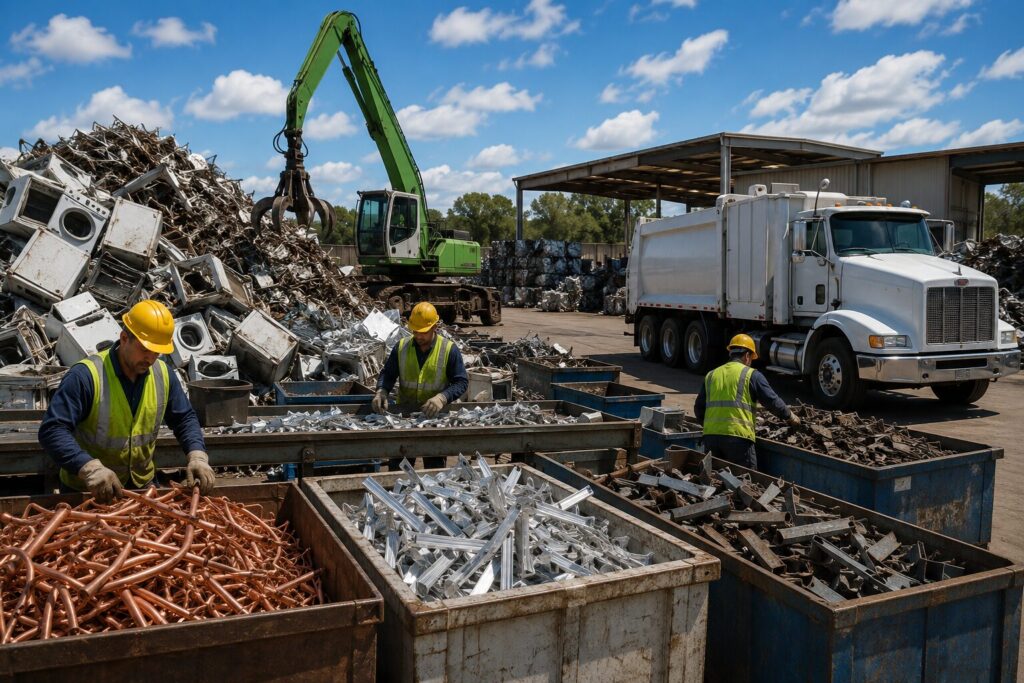
Whether you’re a homeowner cleaning out your garage, a contractor managing construction waste, or a business with industrial scrap, understanding the proper recycling process helps you maximize value while protecting the environment.
Why Scrap Metal Recycling Matters
Unlike many other materials, metal can be recycled repeatedly without losing its quality. Recycling metal reduces the need for mining, lowers energy consumption, and decreases greenhouse gas emissions.
Here are some of the biggest benefits:
- Conserves natural resources
- Saves energy compared to producing new metal
- Reduces landfill waste
- Supports sustainable manufacturing
- Helps homeowners and businesses earn money from unwanted metal
- Creates a cleaner and greener community
Choosing professional scrap metal recycling services is one of the simplest ways to contribute to environmental sustainability while turning unused materials into valuable resources.
How to Recycle Scrap Metal
If you’re asking how to recycle scrap metal, the process is much easier than most people think. Following a few simple steps ensures your materials are accepted and can even increase their recycling value.
Step 1: Identify Recyclable Metals
The first step is identifying which metals you have. Most recycling centers accept both ferrous and non-ferrous metals.
Ferrous Metals
These metals contain iron and are magnetic.
Examples include:
- Steel
- Cast iron
- Structural beams
- Metal fencing
- Rebar
- Old tools
- Household appliances
Non-Ferrous Metals
These metals do not contain iron and usually have a higher recycling value.
Common examples include:
- Copper
- Brass
- Aluminum
- Stainless steel
- Lead
- Zinc
- Nickel
Knowing the difference helps recyclers process your materials more efficiently.
Common Household Items You Can Recycle
Many people throw away valuable metal without realizing it.
Items commonly accepted include:
- Refrigerators
- Washing machines
- Dryers
- Ovens
- Dishwashers
- Air conditioning units
- Water heaters
- Metal furniture
- Aluminum patio furniture
- Bicycle frames
- Metal shelving
- Pipes
- Gutters
- Copper wiring
- Electrical cables
- Lawn equipment
- Metal doors
- Window frames
Many of these bulky items can also qualify for scrap metal pickup, making recycling even more convenient.
If you’re recycling outdated cooling systems, professional Air Conditioning Recycling ensures refrigerants are handled safely before the metal components are recycled.
Separate Metals Before Recycling
Sorting your metals before visiting a recycling center saves time and may increase your payout.
Separate your materials into categories such as:
- Aluminum
- Copper
- Brass
- Stainless steel
- Steel
- Iron
Mixing different metals together can reduce efficiency and may require additional processing.
Contractors handling renovation debris often benefit from organized sorting before taking materials to a professional Metal Recycling service.
How to Prepare Scrap Metal for Recycling
Learning how to prepare scrap metal for recycling is one of the most important steps if you want a smooth recycling experience.
Proper preparation allows recyclers to process materials faster and helps improve the overall value of your scrap.
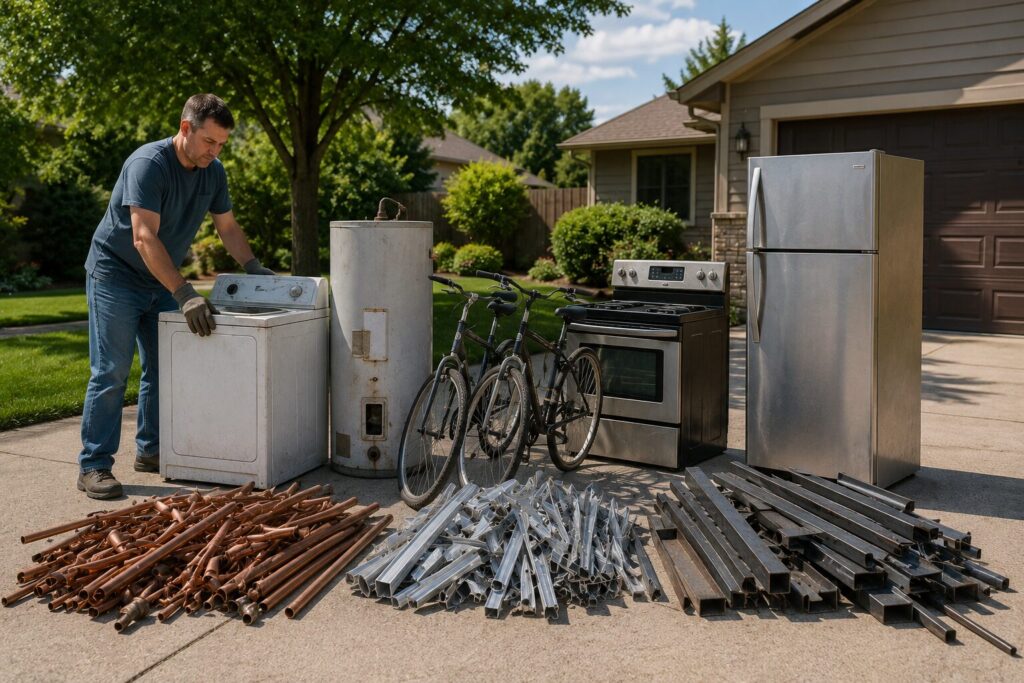
Remove Non-Metal Materials
Whenever possible, remove:
- Plastic covers
- Rubber
- Wood
- Fabric
- Foam insulation
- Glass components
For example:
A metal chair with plastic armrests should have the plastic removed before recycling whenever practical.
Clean Excess Dirt and Debris
You don’t need to make your scrap spotless, but removing excessive dirt, mud, grease, or trash helps improve handling.
Simple cleaning includes:
- Brushing off dirt
- Emptying containers
- Removing loose debris
- Draining fluids where required
Clean materials are easier to inspect and process.
Organize Similar Materials Together
Grouping similar metals together speeds up unloading and sorting.
For example:
- Copper with copper
- Aluminum with aluminum
- Steel with steel
This simple step makes the recycling process much more efficient.
Remove Hazardous Components
Some items contain hazardous materials that require special handling.
Examples include:
- Batteries
- Refrigerants
- Fuel tanks
- Motor oil
- Coolants
Professional recyclers know how to manage these materials safely.
Older HVAC equipment should always be handled through certified recycling services before the remaining metal enters the recycling stream.
Should You Remove Copper Wire Insulation?
This is one of the most common questions homeowners ask.
In many cases, removing insulation from copper wire can increase its value.
However, if you have a large quantity, ask your recycling center first because processing requirements vary depending on the material and volume.
Can Appliances Be Recycled?
Absolutely.
Large household appliances contain valuable recyclable metals, including:
- Steel
- Copper
- Aluminum
- Brass
- Stainless steel
Before recycling appliances:
- Empty all contents.
- Disconnect utilities safely.
- Remove food from refrigerators and freezers.
- Schedule pickup if the appliance is too heavy to transport.
If you’re replacing multiple household electronics along with appliances, combining your visit with Electronic Recycling can make disposal more convenient while keeping recyclable materials out of landfills.
Recycle Construction and Demolition Scrap
Construction projects generate large amounts of recyclable metal.
Examples include:
- Steel beams
- Rebar
- Copper piping
- Aluminum framing
- Roofing materials
- Metal studs
- Wiring
- HVAC components
Instead of sending these materials to a landfill, contractors can recycle them through experienced metal recycling facilities that specialize in processing construction scrap efficiently.
Know Which Metals Have Higher Value
Not all metals have the same recycling value.
Generally, these metals are among the most valuable:
- Copper
- Brass
- Aluminum
- Stainless steel
Market prices change regularly, so values may vary depending on supply, demand, and metal quality.
Understanding this helps you decide whether to sort materials separately before taking them to a recycling center.
Common Mistakes to Avoid When Recycling Scrap Metal
Recycling metal is straightforward, but a few common mistakes can reduce the value of your scrap or delay the recycling process. Avoiding these issues will help you get the most from your materials while making recycling faster and more efficient.
Mixing Different Types of Metals
One of the biggest mistakes is placing all metals into one pile. Sorting copper, aluminum, brass, steel, and stainless steel separately can improve processing efficiency and may result in better pricing.
Leaving Non-Metal Materials Attached
Plastic, rubber, wood, glass, and insulation should be removed whenever practical. Cleaner scrap is easier for recyclers to inspect and process.
Throwing Away Recyclable Appliances
Many homeowners mistakenly dispose of old appliances in dumpsters. Items like refrigerators, washing machines, dryers, ovens, and water heaters contain valuable recyclable metals that can often be recovered.
If your old vehicle is beyond repair, consider using the Sell Your Junk Car service instead of leaving it unused. Recycling vehicles helps recover valuable metals while freeing up space on your property.
Choosing the Right Scrap Metal Recycling Center
Selecting a reputable recycling company is just as important as preparing your materials. A professional recycling center offers transparent service, responsible recycling practices, and knowledgeable staff who can guide you through the process.
Look for a recycler that provides:
- Fair and competitive pricing
- Residential and commercial recycling services
- Fast unloading and processing
- Convenient scrap metal pickup for qualifying loads
- Environmentally responsible recycling methods
- Excellent customer service
Working with an experienced company also ensures that recyclable materials are handled according to industry standards and local regulations.
Residential Scrap Metal Recycling
Homeowners often accumulate recyclable metal without realizing its value. During home renovations, garage cleanouts, or appliance replacements, many items can be recycled instead of discarded.
Residential scrap commonly includes:
- Old appliances
- Metal furniture
- Aluminum patio sets
- Bicycles
- Lawn equipment
- Metal shelving
- Pipes
- Gutters
- Bed frames
- Exercise equipment
If transporting heavy items is difficult, professional scrap metal pickup services can make the recycling process much easier.
Commercial and Industrial Metal Recycling
Businesses generate significant amounts of recyclable metal every year. Recycling these materials reduces disposal costs while supporting sustainable business practices.
Commercial scrap often includes:
- Manufacturing scrap
- Warehouse shelving
- Office equipment
- Construction materials
- Electrical wiring
- Industrial machinery
- HVAC equipment
- Structural steel
Partnering with an experienced recycling company helps businesses manage metal waste responsibly while improving operational efficiency.
Environmental Benefits of Recycling Scrap Metal
Understanding how to recycle scrap metal isn’t just about earning money—it also helps protect the environment.
Every ton of recycled metal reduces the demand for mining and lowers the amount of waste sent to landfills. Recycling also conserves natural resources and significantly reduces the energy required to manufacture new metal products.
Additional environmental benefits include:
- Lower greenhouse gas emissions
- Reduced air pollution
- Conservation of natural resources
- Less landfill waste
- Reduced industrial energy consumption
- Support for a circular economy
Choosing recycling over disposal is one of the simplest ways individuals and businesses can make a positive environmental impact.
Where Can You Recycle Scrap Metal?
Finding a reliable recycling facility nearby makes the process even more convenient. Whether you have a few household items or large commercial loads, working with a trusted local recycler ensures your materials are processed safely and efficiently.
All Metal Recycling proudly serves customers across South Florida, including:
- West Palm Beach through the Scrap Metal Recycling West Palm Beach page
- Miami via the Scrap Metal Recycling Miami location
- Fort Lauderdale through the Scrap Metal Recycling Fort Lauderdale service page
- Palm Springs residents using the Scrap Metal Recycling Palm Springs page
- Greenacres customers through the Scrap Metal Greenacres location
- Boynton Beach homeowners via the Scrap Metal Boynton Beach page
- Lantana residents using the Scrap Metal Lantana location
No matter your location, choosing a trusted local recycler helps ensure your metal is processed responsibly while providing a smooth customer experience.
Tips to Maximize the Value of Your Scrap Metal
If you want to get the most from your recyclable materials, follow these best practices:
- Sort metals by type before delivery.
- Remove non-metal attachments whenever possible.
- Keep recyclable metals clean and dry.
- Store valuable metals like copper and brass separately.
- Recycle larger quantities whenever practical.
- Contact your recycling center before bringing unusual materials.
- Ask about pickup services for oversized loads.
These simple steps improve efficiency and help streamline the recycling process.
Why Choose All Metal Recycling?
When it comes to reliable scrap metal recycling, experience matters. All Metal Recycling is committed to providing dependable service for homeowners, contractors, and businesses throughout South Florida.
Customers choose All Metal Recycling because of:
- Friendly and knowledgeable staff
- Convenient recycling solutions
- Residential and commercial services
- Responsible recycling practices
- Efficient handling of a wide variety of metals
- Fast and professional customer support
Whether you’re recycling a single appliance or managing ongoing commercial scrap, the team is dedicated to making the process simple from start to finish.
Conclusion
Learning how to recycle scrap metal is one of the easiest ways to reduce waste, conserve natural resources, and make better use of unwanted metal items. From sorting ferrous and non-ferrous metals to understanding how to prepare scrap metal for recycling, every step plays an important role in creating a more efficient recycling process.
Whether you’re recycling household appliances, construction materials, old electronics, or industrial scrap, proper preparation helps save time and ensures valuable metals are recovered instead of ending up in a landfill.
If you’re looking for a trusted recycling partner in South Florida, All Metal Recycling offers reliable recycling solutions for homeowners, contractors, and businesses. With experienced professionals, convenient service, and a commitment to environmentally responsible recycling, you can recycle with confidence while helping build a cleaner and more sustainable future.
Recommended External Links
Use these authoritative sources:
- EPA – Sustainable Materials Management
- Recycled Materials Association (ReMA)
- U.S. Department of Energy – Energy Saver
Frequently Asked Questions
1. What is the best way to recycle scrap metal?
The best way to recycle scrap metal is to sort different metals, remove non-metal materials when possible, and take them to a trusted recycling facility like All Metal Recycling. Proper preparation makes recycling faster and more efficient.
2. Does All Metal Recycling accept household appliances?
Yes. All Metal Recycling accepts many common household metal appliances, including refrigerators, washing machines, dryers, ovens, water heaters, and other recyclable metal items. Contact the team to confirm acceptance for specific materials.
3. How do I prepare scrap metal before bringing it to All Metal Recycling?
Before visiting, separate different metal types, remove plastic or wood attachments where practical, clean excessive dirt, and safely drain fluids from applicable equipment. Knowing how to prepare scrap metal for recycling helps speed up the recycling process.
4. Can businesses recycle commercial scrap metal with All Metal Recycling?
Absolutely. All Metal Recycling works with contractors, manufacturers, warehouses, property managers, and businesses that generate recyclable metal. Commercial recycling solutions are available for projects of all sizes.
5. Does All Metal Recycling offer scrap metal pickup?
Yes. Depending on the type and quantity of scrap metal, All Metal Recycling may offer convenient pickup services for qualifying residential and commercial loads. Contact the team to learn more about pickup availability.
6. Why should I choose All Metal Recycling?
All Metal Recycling is committed to providing dependable customer service, environmentally responsible recycling, competitive solutions for residential and commercial customers, and convenient recycling services throughout South Florida. Their experienced team makes recycling simple, efficient, and hassle-free.