
Replacing an old washer can leave you with one big question: how to recycle a washing machine without simply sending it to the landfill. Washing machines are large household appliances that contain significant amounts of recyclable metal, along with smaller amounts of plastic, wiring, electronics, and other materials.
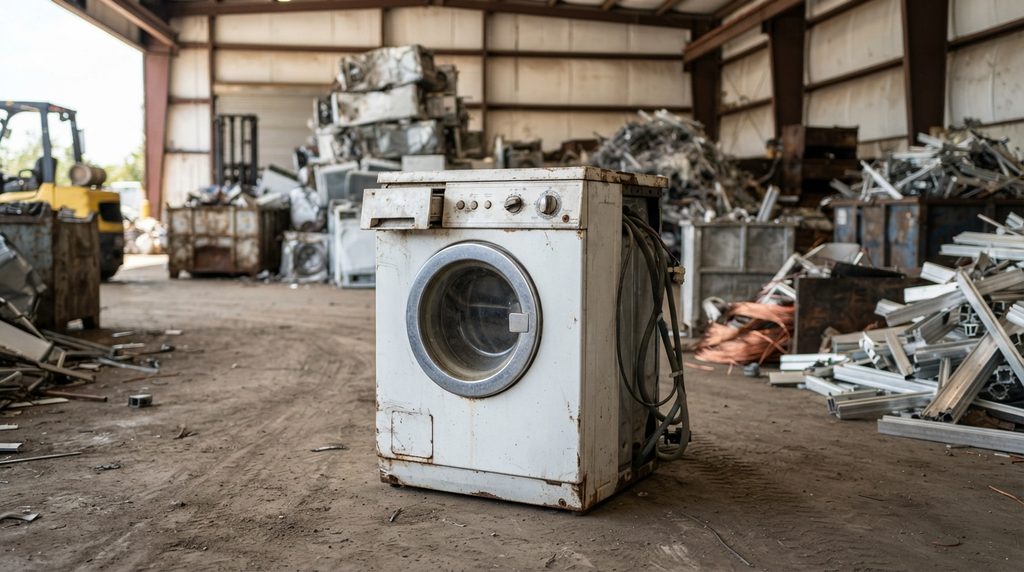
Fortunately, an old washer can often be directed toward a recycling process instead of being treated as ordinary household waste. Whether you are cleaning out a garage, replacing an outdated appliance, renovating a rental property, or handling a contractor cleanout, understanding the recycling process can make disposal easier.
This guide explains how to prepare an old washer, what happens to it at a recycling facility, what affects its scrap value, and what to know when comparing recycling center prices.
Why Should You Recycle an Old Washing Machine?
Washing machines are classified as major appliances or “white goods.” According to the U.S. Environmental Protection Agency, major appliances include washing machines, refrigerators, dryers, stoves, and other large household equipment. Ferrous metals such as steel and iron are the predominant materials found in major appliances, although they can also contain plastics, glass, aluminum, copper, and other materials.
Instead of allowing a bulky washer to take up space or become unnecessary waste, recycling can help recover materials that have another useful purpose.
For homeowners, recycling an old washer can also make a property cleanout more convenient. Contractors and businesses may have several appliances to handle at once, making a local recycling facility a practical option.
How to Recycle a Washing Machine
The process does not have to be complicated. Before transporting an appliance, follow a few basic steps.
1. Confirm That the Recycling Center Accepts Washing Machines
The first step is to contact the recycling facility before loading the appliance.
Acceptance policies can vary between facilities. Some recyclers may accept complete washing machines, while others may have specific requirements for certain appliance types or materials.
If you are in South Florida, you can review the metal recycling services available through All Metal Recycling and contact the facility regarding current acceptance requirements.
This is especially important if you are recycling several different appliances at the same time.
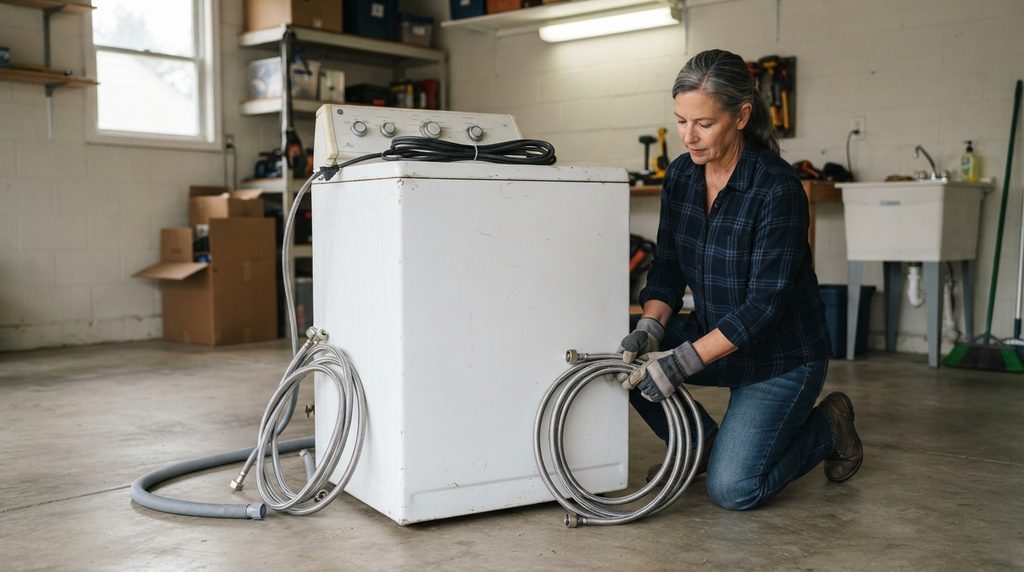
2. Disconnect the Washing Machine Safely
Before moving an old washer, disconnect it from electricity and water.
Remove the power connection and shut off the water supply. Disconnect the water hoses carefully and allow any remaining water to drain normally.
You should also remove clothing, detergent bottles, loose objects, or other personal items from inside the machine.
There is usually no reason for a homeowner to completely dismantle the washer. Attempting to take apart a large appliance without the right equipment can create sharp edges, exposed wiring, and unnecessary safety risks.
3. Clean Out Loose Materials
You do not need to make an old washing machine look brand new before recycling it.
However, removing loose debris and personal belongings can make handling easier. Check the drum, detergent compartment, and other accessible areas for objects that should not be left inside.
If you are handling several appliances from a property cleanout, keeping different material types organized can also make the recycling process easier.
What Parts of a Washing Machine Can Be Recycled?
An old washer can contain several recyclable materials.
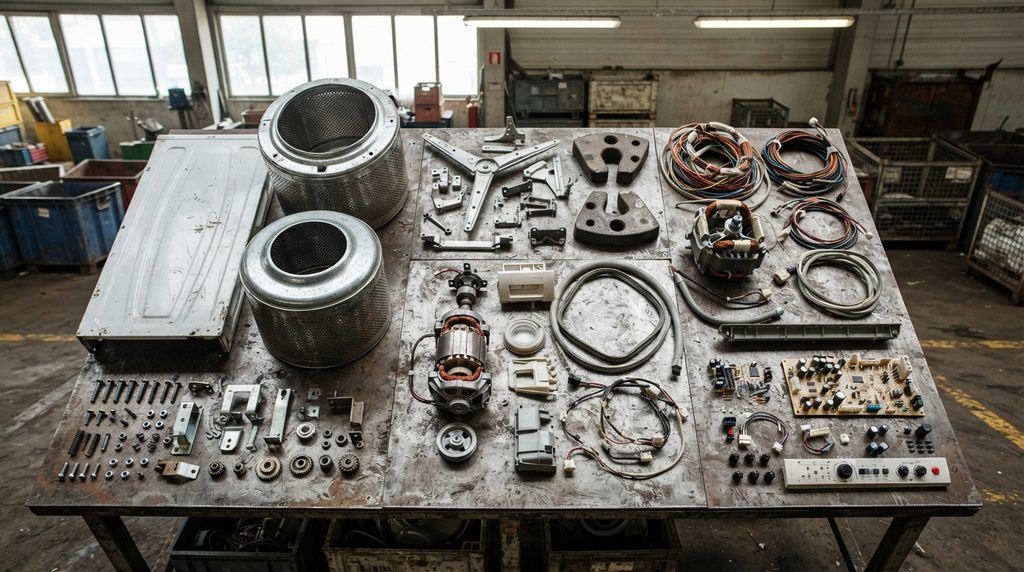
Common materials may include:
- Steel
- Iron
- Stainless steel
- Aluminum
- Copper-containing wiring
- Electric motor components
- Plastic parts
- Glass components
- Electronic controls
The exact materials vary by model and manufacturer.
Steel and iron generally make up a substantial portion of major appliances. EPA data confirms that ferrous metals are the predominant materials in major appliances, although other materials are also present.
This material composition is one reason an old washer can have value as scrap even when it is no longer useful as a working appliance.
If your cleanout also contains unwanted electronics, do not automatically mix them with household appliances. You can learn more about electronic recycling services before bringing those materials to a recycling facility.
How Much Does Metal Recycling Pay for a Washing Machine?
One of the most common questions people ask is how much does metal recycling pay for an old washing machine.
There is no universal amount because the value depends on several factors.
These can include:
- Total appliance weight
- Type of metal
- Metal composition
- Material grade
- Quantity being recycled
- Cleanliness and contamination
- Current scrap market conditions
- The recycling facility’s current buying rates
A complete washing machine should not automatically be valued at the same rate as a load of clean copper or another high-value nonferrous metal.
For example, a washer may contain some copper and aluminum, but much of its overall weight can come from ferrous material. Therefore, the appliance’s total value depends on how the recycling facility evaluates the material.
If you want an accurate current estimate, ask the recycler about the current rate and how the complete appliance will be categorized.
Understanding Washing Machine Scrap Value
Searching for washing machine scrap value can produce different numbers online, but those figures should be treated carefully.
Scrap values can change over time. A price quoted for one material, one location, or one date may not represent what another recycling facility currently pays.
The condition and composition of your particular appliance can also affect its evaluation.
This is why it is better to contact a local recycler than rely on a generic online estimate.
How to Compare Recycling Center Prices
When comparing recycling center prices, make sure you are comparing the same type of material.
For example, a price for clean copper should not be compared directly with a price for a complete washing machine. The material grade, preparation, weight, and category can all be different.
Industry scrap specifications also show that scrap materials are classified according to material characteristics and preparation. You can review the ISRI Scrap Specifications for additional background on scrap material specifications.
When asking about recycling center prices, consider these questions:
- Is the price for the complete appliance?
- Is the material categorized as ferrous scrap?
- Does the facility separate certain metals?
- Does weight affect the final amount?
- Are there different rates for different grades?
- Are current market conditions affecting the rate?
Getting these details can give you a much clearer understanding of the potential value of an old washer.
Should You Take the Washing Machine Apart Before Recycling?
In most cases, homeowners should not assume that complete dismantling is necessary.
A recycling facility has equipment and processes designed to handle scrap materials. Trying to remove every component at home may create additional work and potential hazards.
Instead, ask the recycling center whether it prefers the washing machine intact or partially separated.
If you have experience handling scrap metal and the facility specifically recommends separating certain materials, follow its instructions. Otherwise, transporting the appliance intact can be the simpler option.
What Happens to a Washing Machine After You Recycle It?
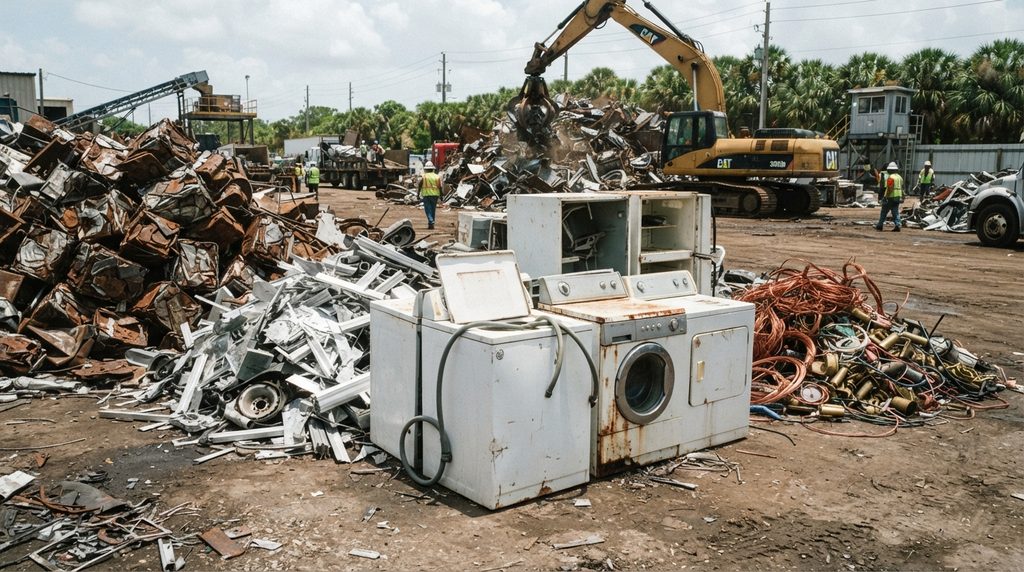
After an old washer reaches a recycling facility, it can be sorted and processed according to its material composition.
Metal components can enter appropriate recycling streams, while other components may be separated according to their material type.
The EPA notes that major appliances are a source of ferrous metal recovery, and its appliance guidance identifies washing machines among common major appliances.
This process gives useful materials another opportunity to be recovered instead of treating the entire appliance as ordinary waste.
What About Refrigerators and Air Conditioners?
It is important not to treat every appliance exactly the same way.
Washing machines generally do not use refrigerants. Refrigerators, freezers, dehumidifiers, and many air-conditioning appliances can contain refrigerants and therefore have additional disposal requirements.
The EPA explains that refrigerants must be properly recovered from covered refrigerated appliances before final disposal or recycling.
Do not cut refrigerant lines, remove compressors, or attempt to release refrigerant yourself. EPA consumer guidance specifically warns against tampering with refrigerant-containing appliances.
If your cleanout includes an old AC unit, check All Metal Recycling’s air conditioning recycling service and confirm the current handling requirements before transportation.
Where to Recycle a Washing Machine in South Florida
If you are searching for how to recycle a washing machine near Lake Worth or surrounding South Florida communities, choosing a local recycling facility can make the process more convenient.
All Metal Recycling is located in Lake Worth Beach and provides a local option for qualifying recyclable metal materials.
Customers from nearby communities can also review scrap metal recycling in West Palm Beach or scrap metal recycling in Boynton Beach to learn more about local recycling options.
Before transporting a large appliance, contact the facility to confirm current acceptance requirements.
Tips for Recycling an Old Washer
If you want a smoother recycling trip, keep these tips in mind:
Check First
Always confirm that the facility currently accepts washing machines.
Disconnect Safely
Make sure the washer is disconnected from electricity and water before moving it.
Remove Personal Items
Check the drum, compartments, hoses, and surrounding areas for anything that belongs to you.
Avoid Unnecessary Dismantling
Do not take apart the appliance simply because you think it will increase its value. Ask the recycler first.
Ask About Current Pricing
If you are recycling the washer for its scrap value, ask about the current rate and material category.
Secure the Appliance
A washing machine is heavy and awkward to transport. Secure it properly so it does not shift during transportation.
Can a Washing Machine Be Recycled With Other Scrap Metal?
In some cases, a property cleanout may include a washing machine along with other scrap metal.
For example, you may have old metal shelving, steel equipment, appliances, or other recyclable materials.
However, different materials may be classified and valued differently. It is therefore useful to tell the recycler what types of materials you have before unloading everything.
For larger cleanouts, separating obvious material categories can make the process more organized.
Why Local Appliance Recycling Makes Sense
Searching for recycle washing machine near me usually means you want a convenient way to get a bulky appliance off your property.
A local recycling facility can provide a practical destination for an unwanted washer while helping recover recyclable materials.
For South Florida residents, All Metal Recycling in Lake Worth Beach can be a local point of contact for qualifying scrap metal and appliance recycling needs.
If your project involves an unwanted vehicle as well, you can also review the junk car recycling service offered by All Metal Recycling.
Final Thoughts
Learning how to recycle a washing machine starts with a simple process: confirm acceptance, disconnect the appliance safely, remove loose items, and ask the recycler how the washer will be evaluated.
The amount you may receive depends on the appliance’s weight, material composition, grade, quantity, and current market conditions. That is why how much does metal recycling pay cannot be answered with one fixed number.
Likewise, when comparing recycling center prices, make sure you are comparing the same material category and grade.
For homeowners, contractors, and businesses in South Florida, recycling an old washer can be a practical way to clear unwanted equipment while helping recover useful materials.
Frequently Asked Questions
1. Can I recycle an old washing machine at All Metal Recycling?
All Metal Recycling provides a local recycling option for qualifying metal materials in South Florida. Contact the facility before bringing your washing machine to confirm current acceptance requirements.
2. How much does a washing machine sell for as scrap?
There is no fixed amount. The potential value depends on weight, material composition, grade, quantity, and current market conditions. Contact All Metal Recycling for current information about your material.
3. Do I need to take my washing machine apart before recycling?
Not necessarily. Avoid unnecessary dismantling and ask All Metal Recycling whether the appliance should be brought intact or prepared in a specific way.
4. Can I recycle other appliances with my washing machine?
Potentially, depending on the appliance and current acceptance requirements. Contact All Metal Recycling before bringing refrigerators, freezers, AC units, or other specialized equipment.
5. Where is All Metal Recycling located?
All Metal Recycling is located at 4100 S Military Trl, Lake Worth Beach, FL 33463, serving customers in Lake Worth and surrounding South Florida communities.
6. Can contractors recycle multiple washing machines?
Contractors and businesses with multiple appliances should contact All Metal Recycling before transportation to discuss the material, quantity, and current acceptance requirements.